The Question I Wouldn't Stop Asking
"If you could go anywhere in the world again, right now, where would it be?" It's an easy question to ask a captive audience of travel professionals on a long coastal cruise, and I asked it constantly, half out of curiosity and half because it's a genuinely fun way to pass an evening at sea. I expected a scattered mix of answers: Patagonia, Bhutan, some corner of Southeast Asia nobody had gotten around to yet.
Instead, one word kept coming back, from person after person who had no reason to coordinate their answers: Galapagos. Not "high on the list." Not "one of my favorites." The actual answer, every time, to the actual question. When that happens once, it's an opinion. When it happens with nearly everyone you ask, on a boat full of people whose job is comparing places against each other for a living, it stops being an opinion and starts being data.
Why It Stuck
I've been back to that conversation in my head more times than I can count since 2023. Travel professionals don't agree on much. Ask ten of them for the best cruise line, the best time to visit Italy, the best way to see Africa, and you'll get ten different, confidently argued answers. Ask them where they'd go again if they could go anywhere, and apparently the room goes quiet and everyone says the same island chain off the coast of Ecuador.
So it went on the list, near the top, and stayed there. Not urgently, the way a trip with a hard deadline stays on a list, but persistently, the way a place does when you can't quite shake the feeling that you're missing something everyone else already knows.
When every travel professional you ask gives you the same answer, independently, it's not a coincidence. It's a tip you'd be foolish to ignore.
Jen's Proposal
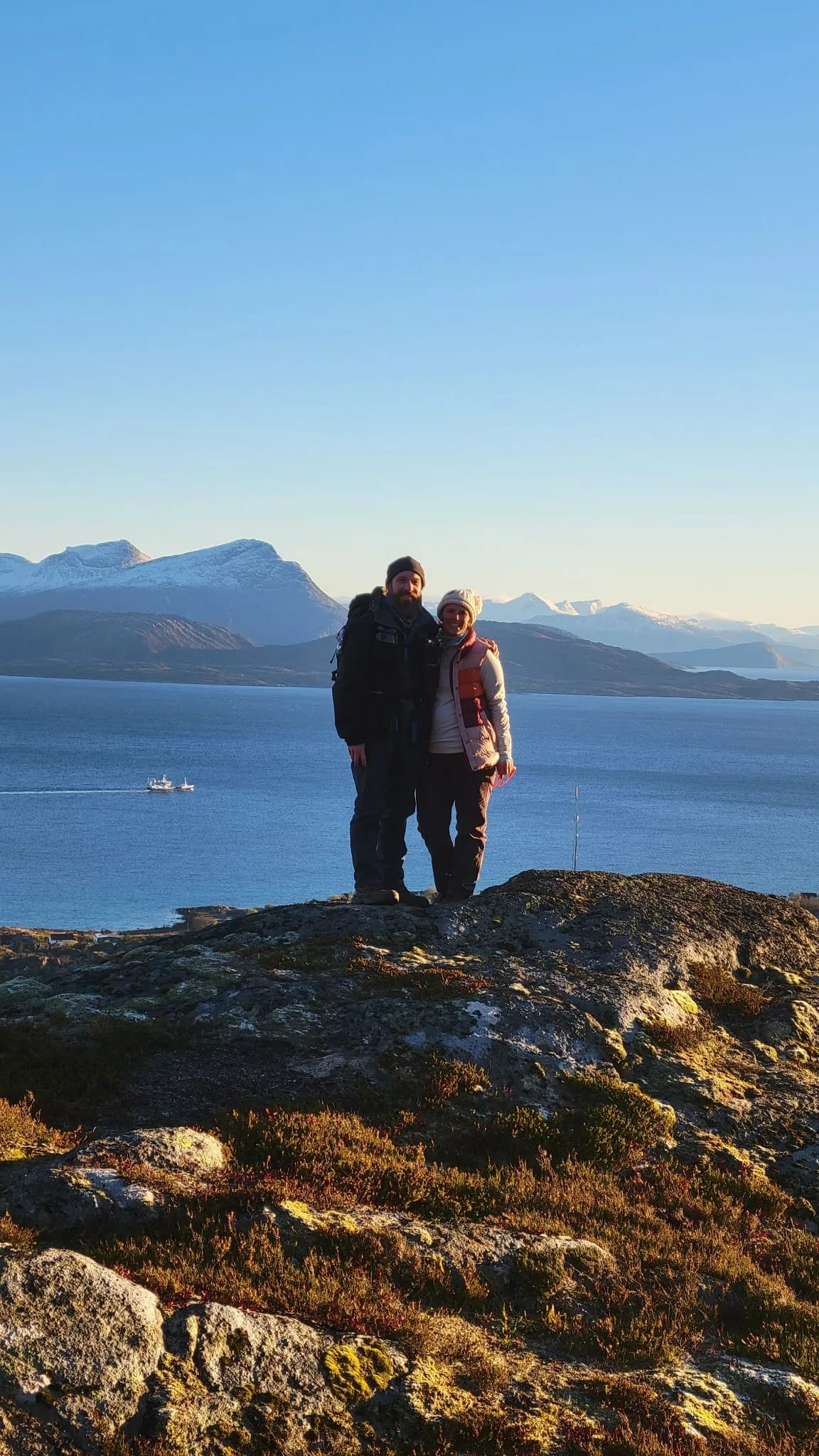
Jen came to me recently with a loose idea: a group trip to the Galapagos for Spring Break 2028. Nothing locked in yet, no dates confirmed, just the shape of an idea and the question of whether I was in. I didn't need much convincing. Three years after that conversation on the Norwegian coast, the answer everyone kept giving me is finally turning into an actual plan.
We've started building out what that trip could look like, and put together the details on our Galapagos journeys page if you want the full picture. But I wanted to write about why this particular place, more than the dozens of others on our list, is the one we're finally building a trip around.
Six Hundred Miles of Open Ocean
That isolation is the whole story. The Galapagos sit far enough from the mainland that everything here evolved on its own terms.
Wildlife That Has No Reason to Be Afraid of You
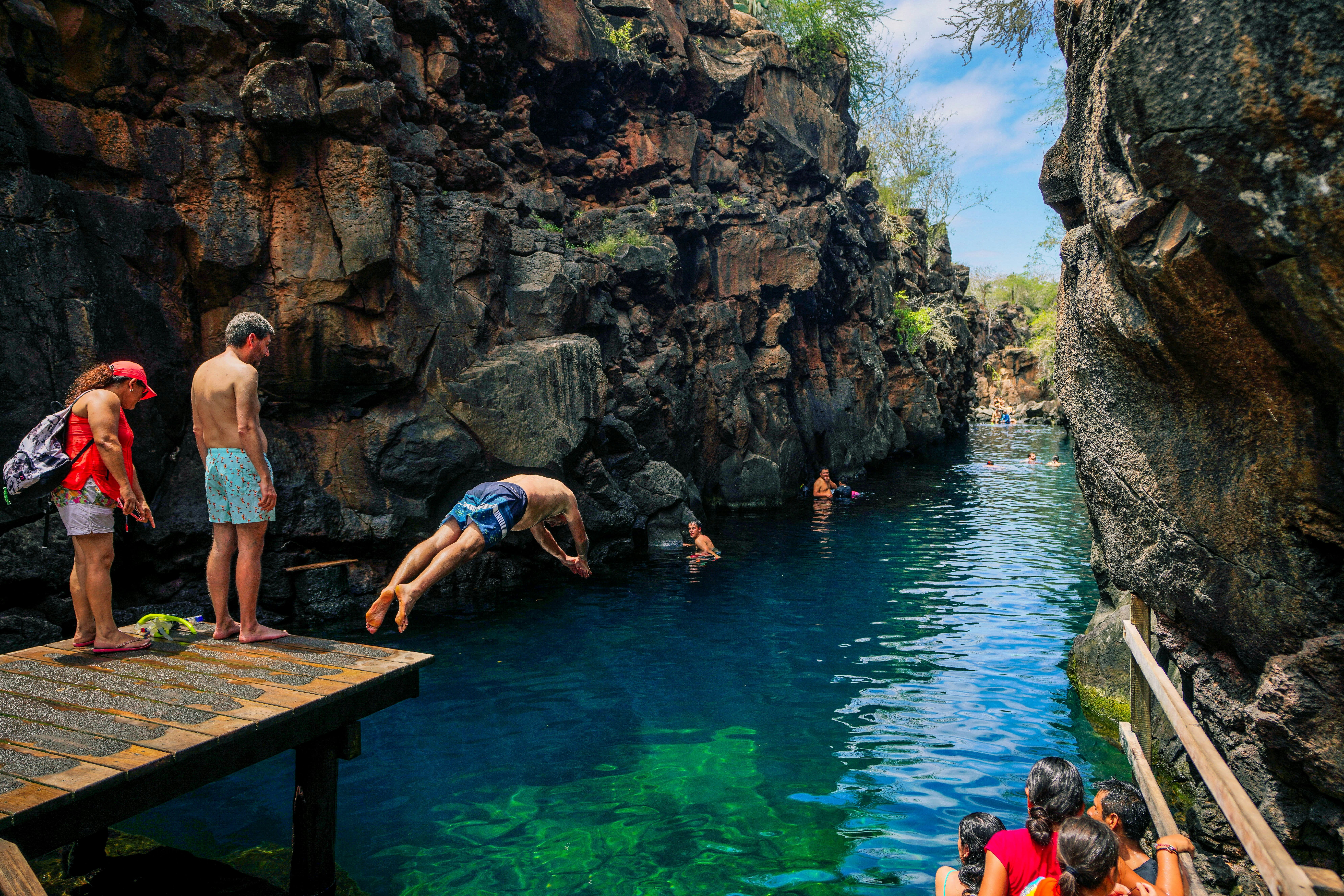
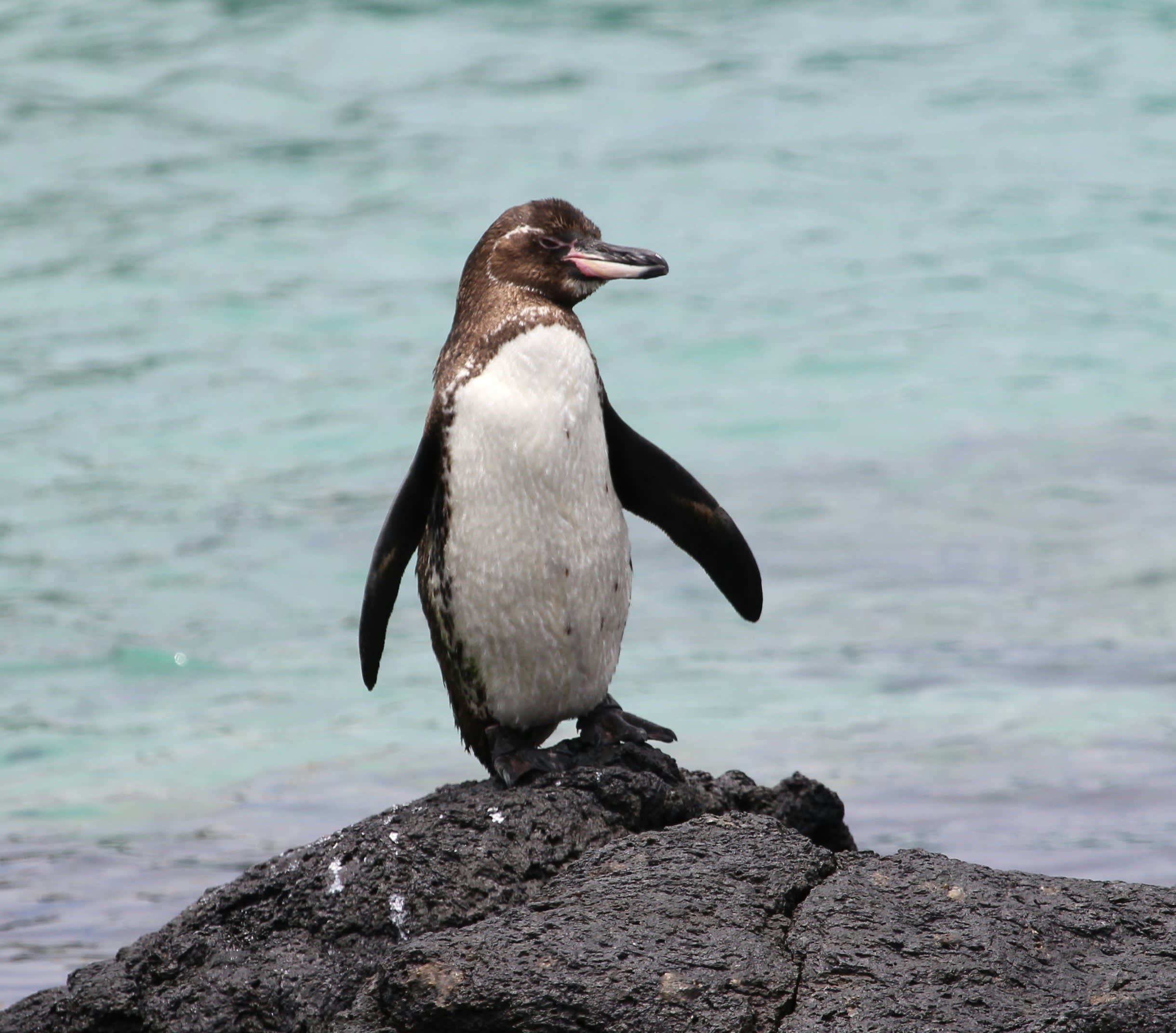
The Galapagos sit 600 miles off Ecuador, isolated enough that evolution there went its own direction entirely. The animals have no natural predators and, as a result, no instinct to keep their distance from people. A giant tortoise ambles past your feet. A sea lion surfaces inches from your mask. A blue-footed booby stares back at you with what looks a lot like genuine curiosity.
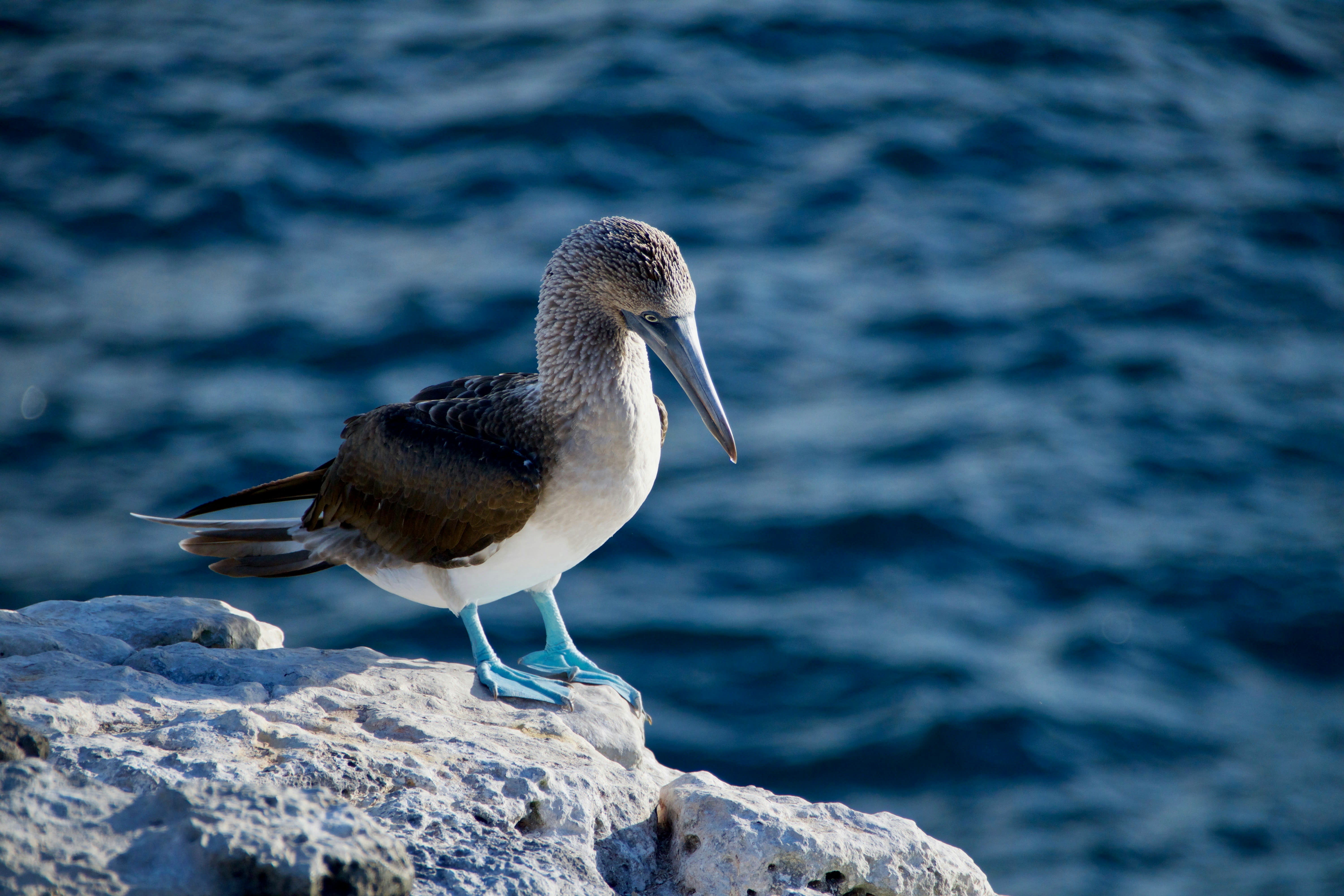
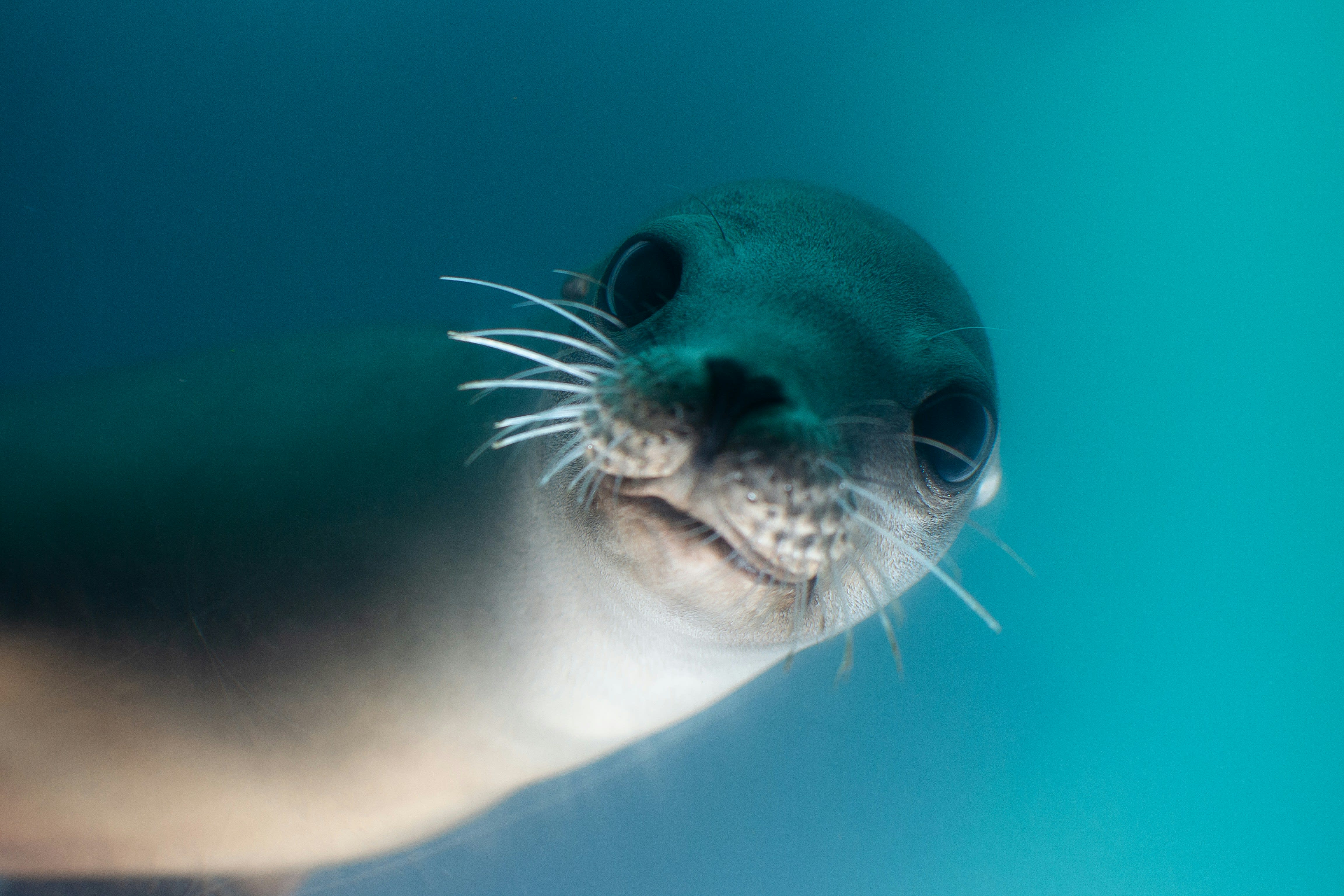
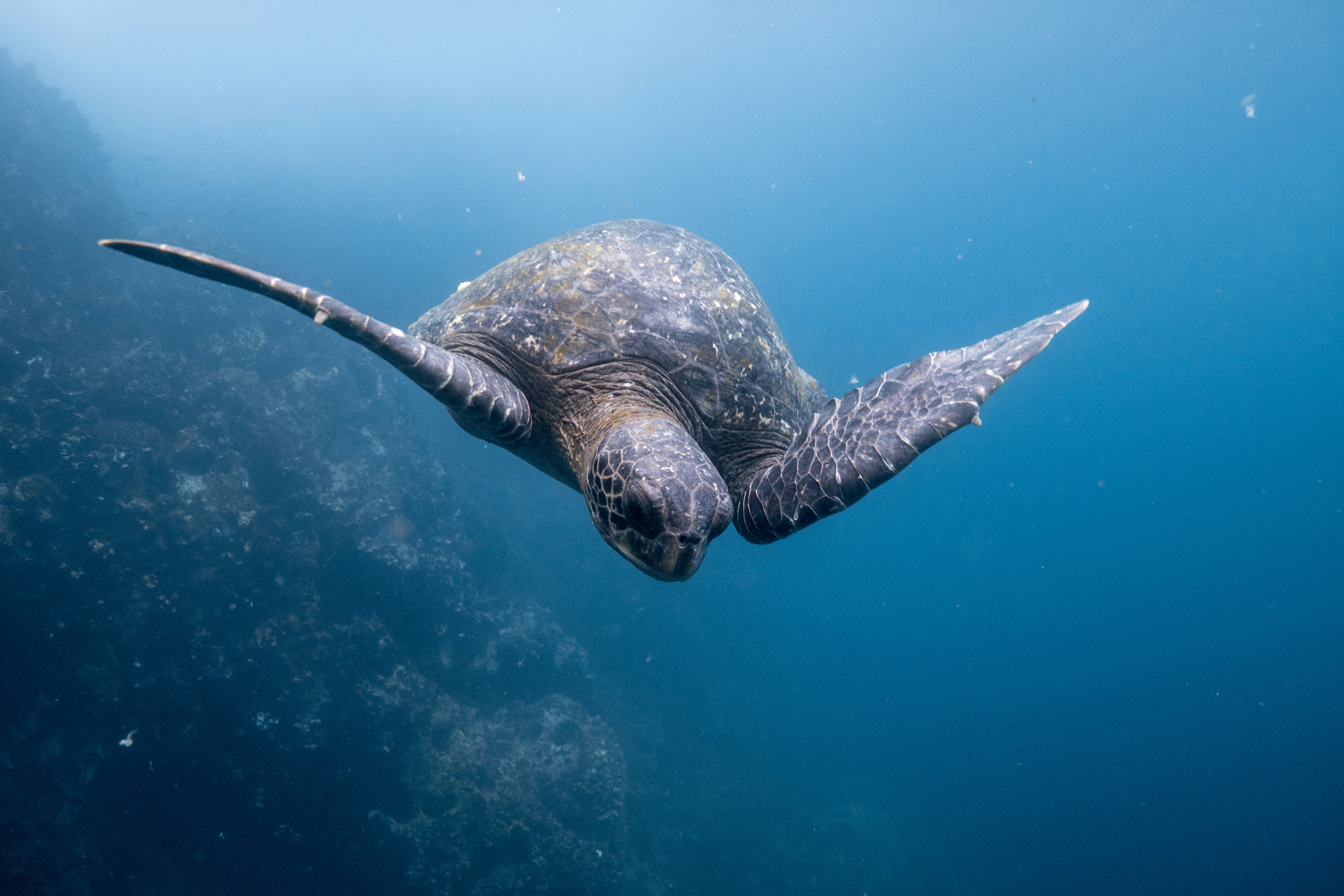
The booby that stares back, the sea lion that finds you first, the tortoise that's been walking these islands since the 1800s.
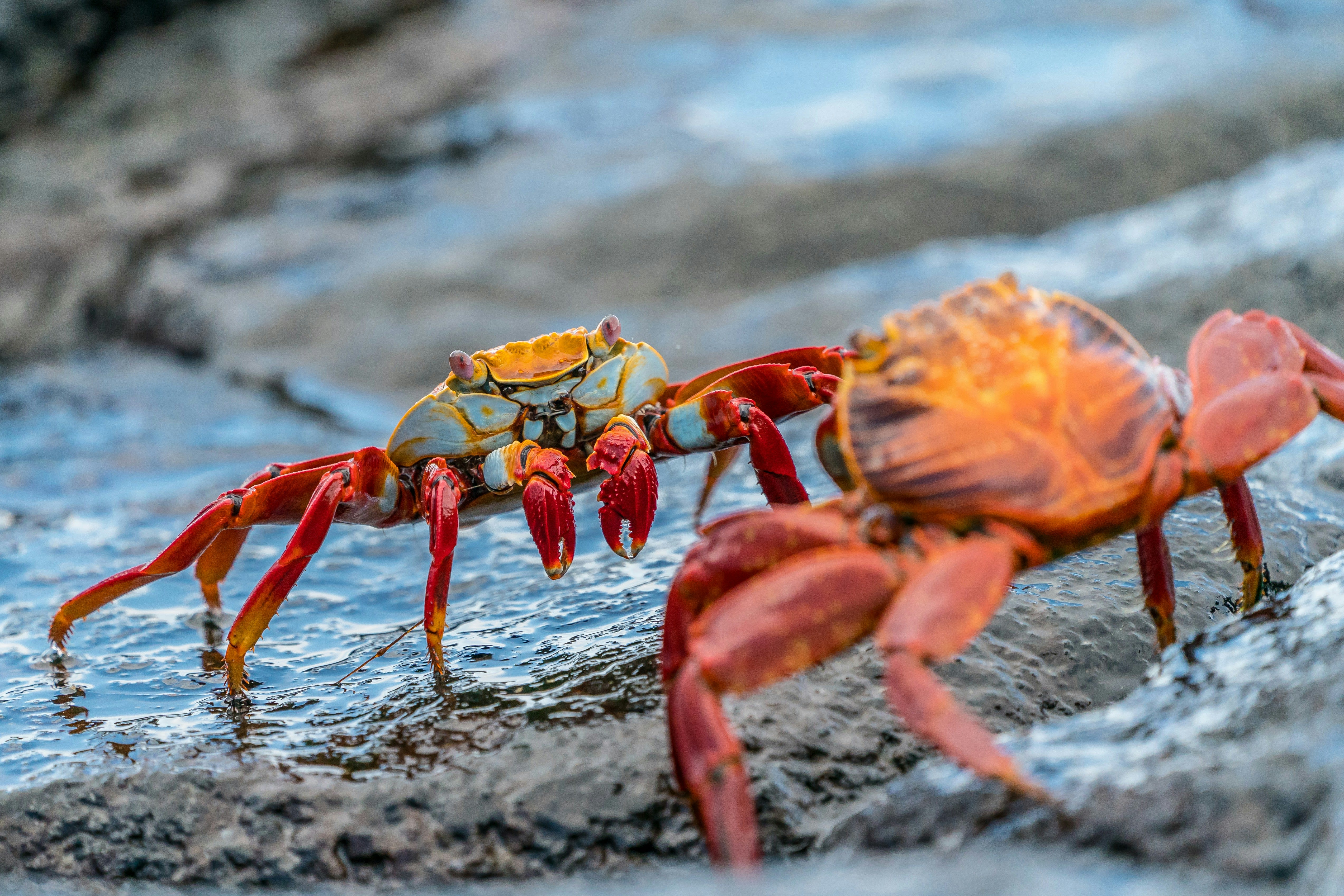
Ninety-seven percent of the archipelago is national park. You move between islands by boat and on foot, with multiple excursions a day, and none of it involves a resort lobby or a crowd at the highlights. It's the most unusual wildlife on earth, at arm's reach, which is exactly the kind of thing that makes a room full of well-traveled people go quiet when you ask where they'd go again.
Why Spring Break, Why Now
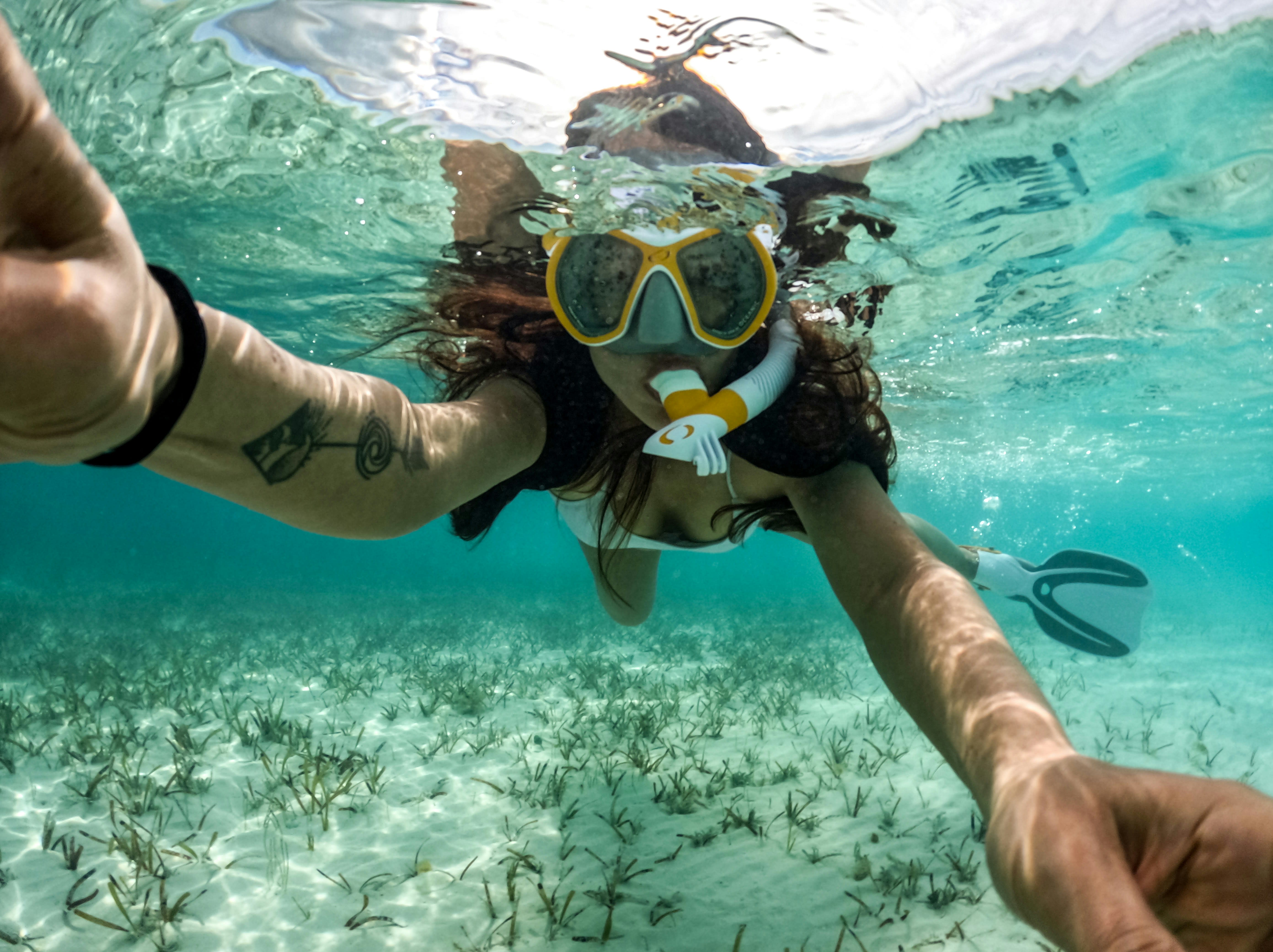
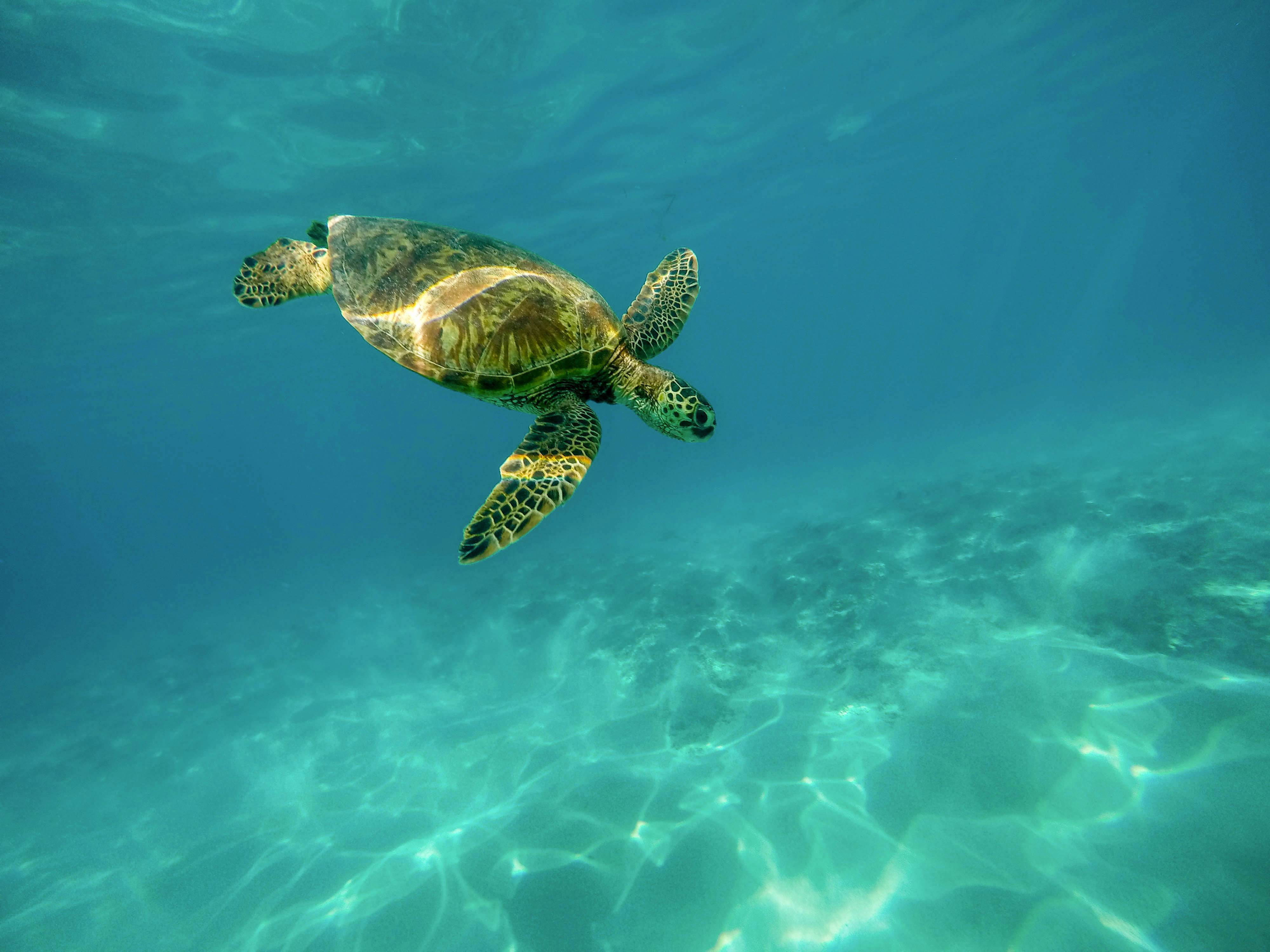
The Galapagos doesn't really have an off-season, no long rainy stretch to plan around, which makes the spring break window an easy one to build a family trip into. Warm water for snorkeling, active wildlife, and a real reason to use those vacation days on something the kids will still be talking about at thirty. There's no barrier between kids and the animals here: no glass, no fence, no zoom lens required. A sea turtle drifting past during a snorkel, a booby doing its courtship dance three feet away, that kind of thing tends to make an impression that outlasts most vacations.
What We Know So Far
This is still early. Nothing is booked, and the exact dates for Spring Break 2028 aren't locked in yet. But the shape of the trip is coming together:
- Land-based lodgings at multiple island stops, paired with excursions by boat and on foot
- 6-8 nights across the archipelago, moving between ecosystems rather than sitting still
- Snorkeling, kayaking, guided hikes, and wildlife walks, all experience levels welcome
- No diving certification required to see most of what makes the islands worth the trip
- Spring Break 2028 timing, exact dates to be confirmed
- A UNESCO World Heritage Site, with 97 percent of the land protected as national park
Snorkel with sea lions. Hike lava fields. Watch your kids forget their screens exist. That's the pitch, more or less, and it's the same one that made a boat full of skeptical travel professionals all land on the same answer three years ago.
Curious About Joining?
Nothing is booked yet, which means this is the time to get in. Tell Jen you're interested and she'll keep you posted as it takes shape.