Why Universal Lists Fail
The problem with generic packing lists isn’t that the items on them are wrong. It’s that they assume a traveler who doesn’t exist. The list was assembled by someone going somewhere specific, in a specific season, for a specific number of days, with specific things they planned to do. That person is not you. Their trip is not yours.
Generic lists also confuse thoroughness with usefulness. The longer the list, the more it signals “just in case” thinking, which is exactly the thinking that produces a 50-pound bag for a five-day trip. You pack the travel umbrella because it’s on the list. You pack the formal outfit because it’s on the list. You land in August and realize you’ve brought a rain jacket rated to 20 degrees and a blazer you’ll never wear.
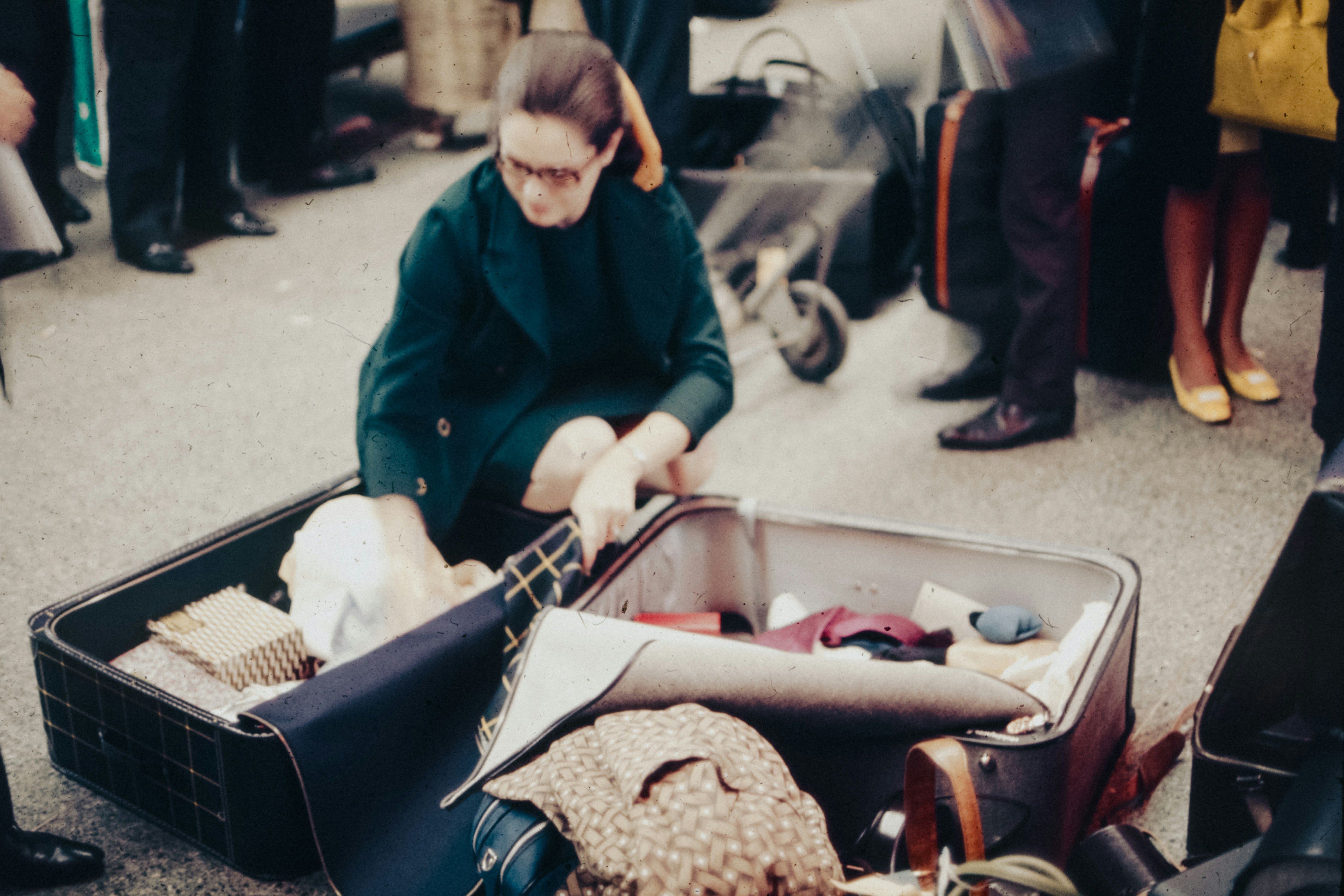
This is what happens when the list doesn’t match the trip.
The deeper issue is that what you wear at home tells you far more about what you’ll actually wear on a trip than any checklist can. If you don’t reach for cardigans on a normal Tuesday, you won’t reach for them in Rome either. The list can’t know that. You can.
The Variables That Actually Matter
Before you open a packing list from anywhere, answer these questions about your actual trip.
Climate range, not climate type
“Hot destination” doesn’t tell you much. Coastal Portugal in October is cool in the mornings, warm by noon, and cold enough at night for a real layer. The variance matters more than the average. Find the actual lows for your travel dates and pack for that day first, then build up from there. If you can handle the worst weather on the itinerary, everything else takes care of itself.
Activity type
Hiking a national park and walking a city are both “walking,” but they require completely different footwear, clothing weight, and what goes in your bag each day. Mixed-activity trips are where people overpack most: they bring full hiking kit and city clothes and end up with a bag that handles neither particularly well. Know what your days actually look like before you decide what to pack for them.
Laundry access
This is the biggest variable almost nobody thinks about before their first few trips. If you have access to a washer, whether that’s hotel laundry service, a laundromat, or an apartment machine, you can cut your clothing count roughly in half. The math changes entirely when day seven doesn’t require a seventh outfit. Figure out your laundry situation before you start packing, not after.
Shoe count
Shoes are where trips go wrong. They’re heavy, they don’t compress, and most people bring one extra pair for every occasion they imagine but never actually encounter. For most trips: one pair that handles the hardest walking you’ll do, one pair for evenings. That’s it. If those two don’t cover your itinerary, look more carefully at the itinerary.
Your actual baseline
If your home wardrobe is casual, your travel wardrobe should be casual. If you never wear button-downs on weekends, don’t pack four of them because they seem like the right thing to bring to Europe. Travel wardrobe and real wardrobe shouldn’t be different people.

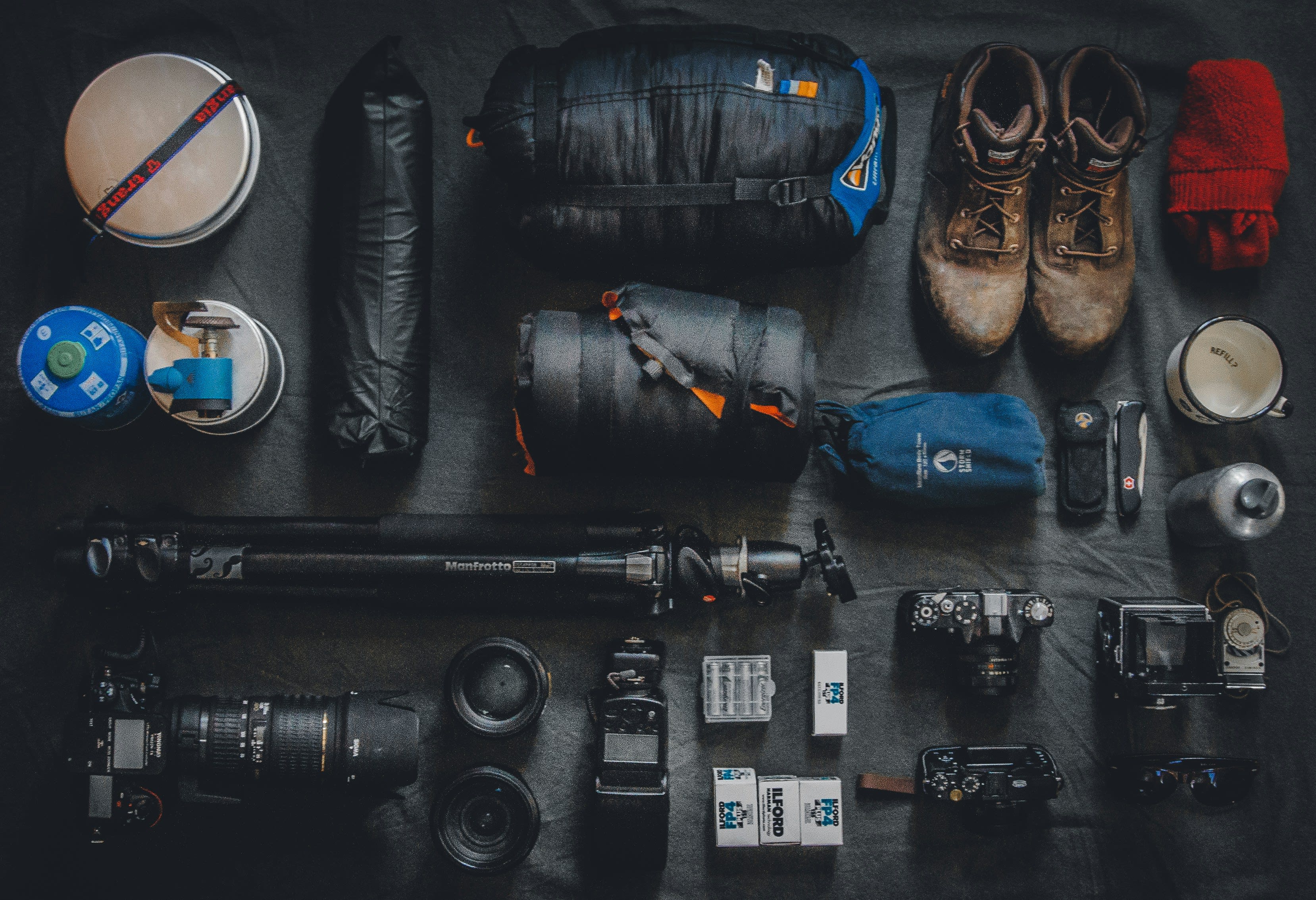
Two different trips, two completely different answers. No single list covers both.
What to Do Instead of Following a List
Once you’ve answered those questions honestly, build from principles rather than from someone else’s inventory.
Pack for the worst day first
Find the coldest, wettest, most physically demanding day on your itinerary and build outward from there. You can always remove layers on a warm afternoon. You can’t un-sweat a coat you didn’t bring.
Know your ratio
How many days can you comfortably stretch one set of clothes before laundry? Two? Three? That number, combined with your laundry access, gives you an exact clothing count. Not a list. Just math. Five days with laundry access on day three means you need roughly three days’ worth of clothes, not five.
One outfit per activity type, not one per day
City day. Hiking day. Dinner out. Beach. That’s four types. You might be out for ten days. You don’t need ten outfits, you need four and you rotate. The packing list that gives you an outfit for every day is building for a traveler who never repeats anything and never does laundry. That person doesn’t exist either.
The wear-it-twice rule
Before anything goes in the bag, ask yourself whether you can picture wearing it at least twice on the trip. Not “could I wear it” in theory, but two actual occasions, specific days. If you can’t picture both, it stays home. This rule alone eliminates most of the “just in case” items that add weight without adding value.

A well-edited pack. Every item in it has a specific job on a specific day.
The first few trips where you apply these principles, you’ll still overpack. That’s fine. The useful packing list is the one you write yourself, after the trip, by noting what you actually used.
That list, refined over two or three trips to similar destinations, is the only truly useful packing list you’ll ever own. Not because it’s comprehensive, but because it’s yours. It accounts for the fact that you always end up in at least one restaurant nicer than you planned for. That you run cold in air conditioning. That you never actually use the travel journal but always bring a book. No one else’s list knows any of that.

Not everything fits. Deciding what stays home is most of the work.
The list isn’t the answer. Your actual trip is. Once you understand the specific conditions you’re packing for, the decisions mostly make themselves.
So before you search for the ultimate packing list for your next destination: what does your trip actually look like? Start there. What’s the coldest day? What are your shoes covering? Do you have laundry access? Answer those four questions honestly and you won’t need the list at all.
And if you’ve got a packing mistake you’re still embarrassed about, we’d genuinely like to hear it.
Planning a Trip and Not Sure Where to Start?
Packing is the last thing. We can help with everything that comes before it, from destination and timing to logistics and what the trip actually looks like day to day.