There’s a practical detail about Argentina that tends to stop people mid-sentence when they first hear it.
The One Detail That Changes Everything
Buenos Aires sits at UTC-3. The US East Coast in summer is UTC-4. That’s a one-hour time difference. You board a red-eye, fly roughly ten hours, and land essentially on your home schedule. No three-day adjustment period. No afternoon crashes. No waking up at 3 a.m. staring at the ceiling.
For the traveler accustomed to grinding through the first two days of a European trip on fumes, this is significant. Argentina is as far-flung as it feels on a map and as easy on the body as a trip to Chicago. That combination is rarer than it sounds and does real work when you’re planning a serious itinerary.
Buenos Aires: A World-Class City That Doesn’t Oversell Itself
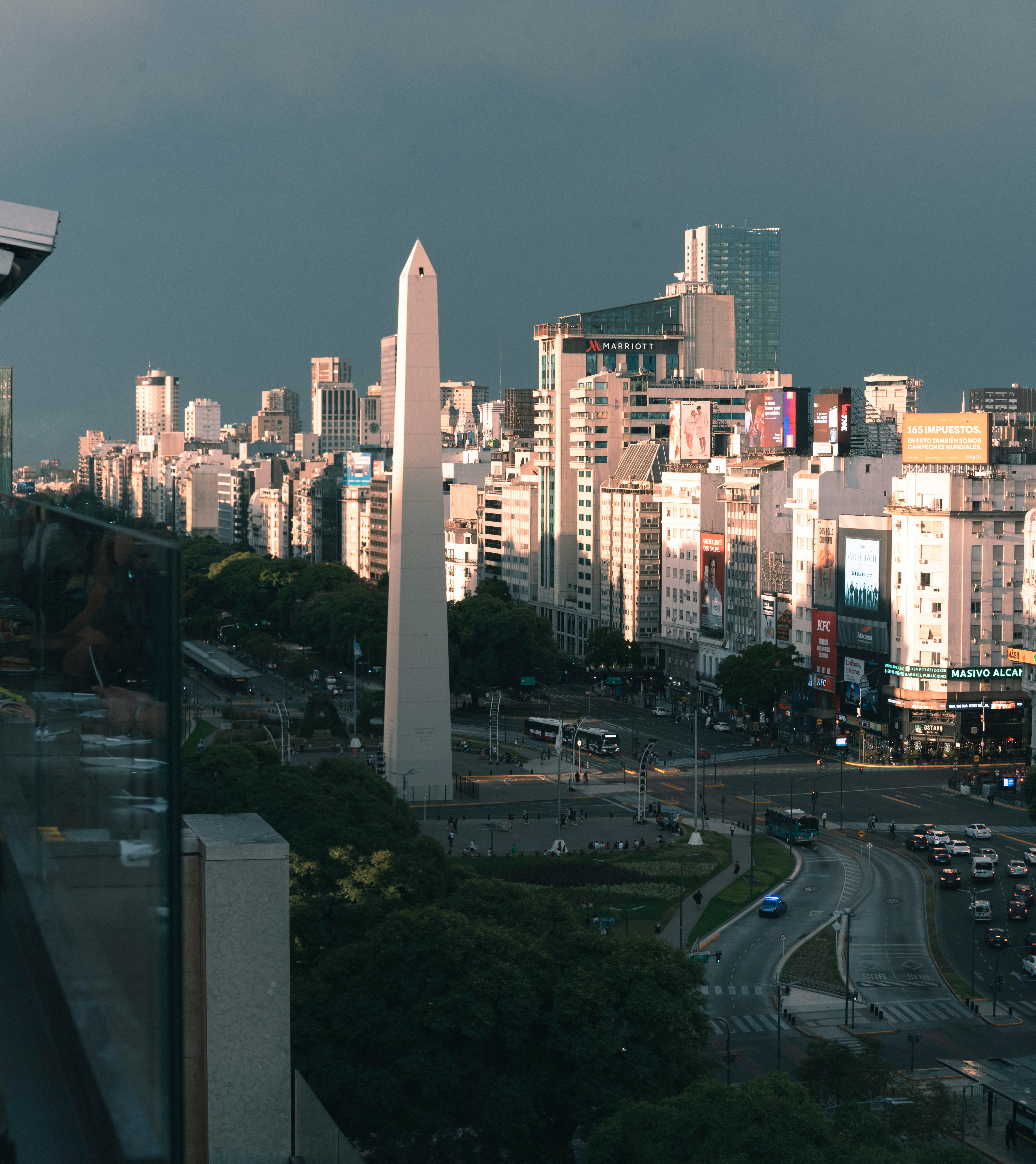
Buenos Aires earns every comparison to the great European capitals. Then it delivers at a fraction of the price while feeling genuinely local rather than curated for tourists.
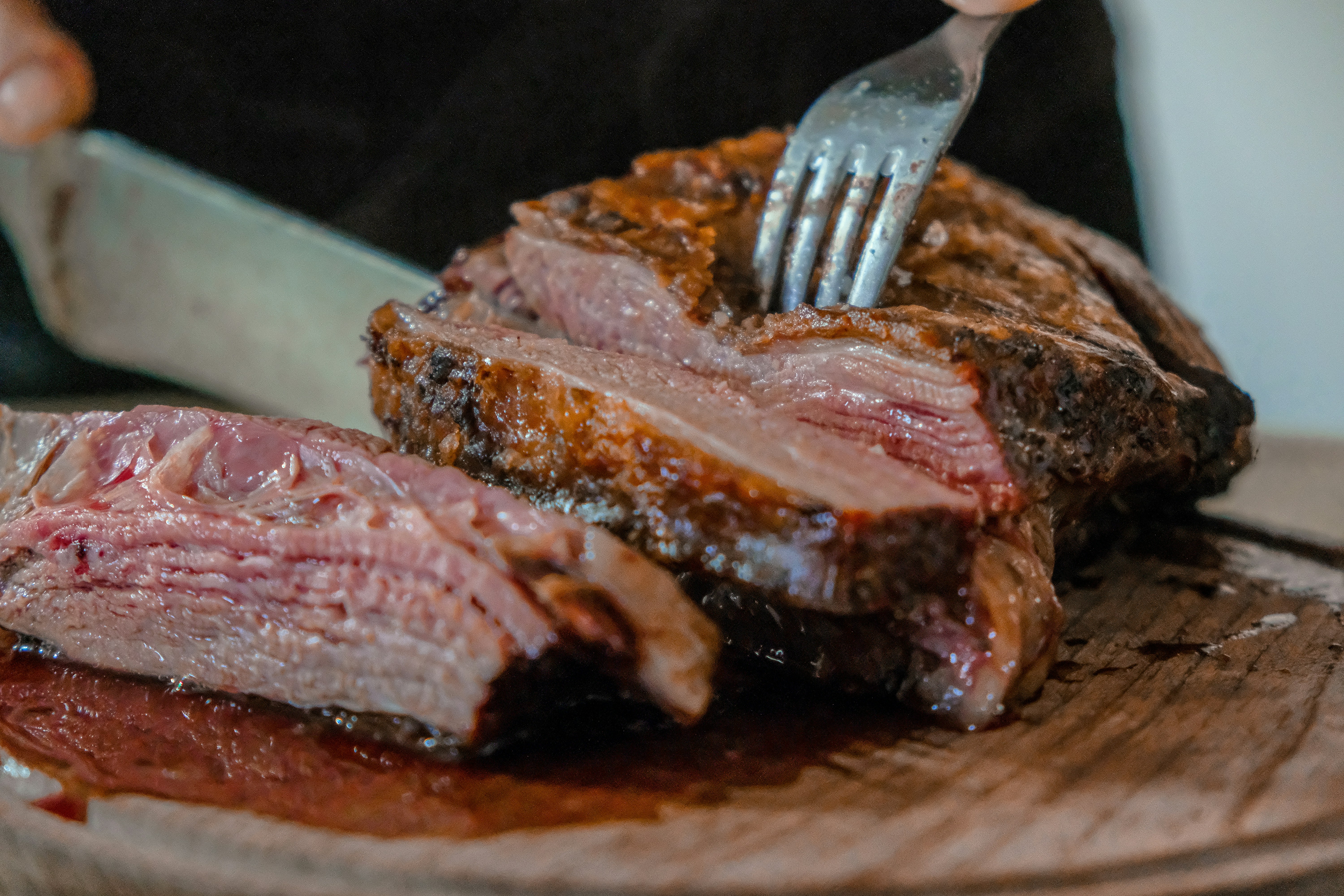
Argentine beef is not a cliché. It’s a different product from a different animal on a different diet.
The food alone justifies the flight. Argentine beef is not what American steakhouses are selling you. It’s a different product: grass-fed, unhurried, with a flavor the feedlot system can’t replicate. The best parrillas in Buenos Aires, places like Don Julio in Palermo where the wine list runs deep into Mendoza and the cuts are sourced with the same seriousness as a Michelin-starred kitchen, operate at a level that competes with anywhere in the world. The ritual of the asado, the long communal meal that defines Argentine social life, is worth building an entire evening around.
The neighborhoods reward serious time. Palermo is where contemporary Buenos Aires lives: boutique hotels tucked into tree-lined streets, design studios, restaurants pushing the boundaries of what Argentine cuisine can be. Recoleta is older money and wider boulevards, anchored by a famous cemetery where Eva Perón is buried among an extraordinary concentration of ornate mausoleums that somehow doesn’t feel morbid so much as operatic. San Telmo is colonial architecture and Sunday antique markets and tango happening on street corners without any announcement.
See tango properly. The tourist-facing dinner shows have their place, but Buenos Aires has a milonga culture that runs every night of the week, where people who have been dancing since childhood take the floor in spaces that haven’t changed in fifty years. An actual milonga in San Telmo is something else entirely.
The Teatro Colón deserves its own sentence. One of the great opera houses in the world, with acoustics that rival Vienna, a production calendar that attracts the same names, and a building that took twenty years to complete. If there’s a performance during your stay, go.
For the luxury traveler, Buenos Aires is a genuine opportunity. Five-star accommodation and world-class dining at a price point that would be unthinkable in London or Paris.
Ushuaia: The End of the World Is the Beginning of Something Else
Ushuaia sits at the southern tip of Tierra del Fuego, hemmed in by the Beagle Channel and the Martial Mountains, and it announces itself as a place that doesn’t resemble anywhere else. It’s cold, dramatic, and operates with a quiet intensity that comes from knowing it’s the last city before Antarctica.
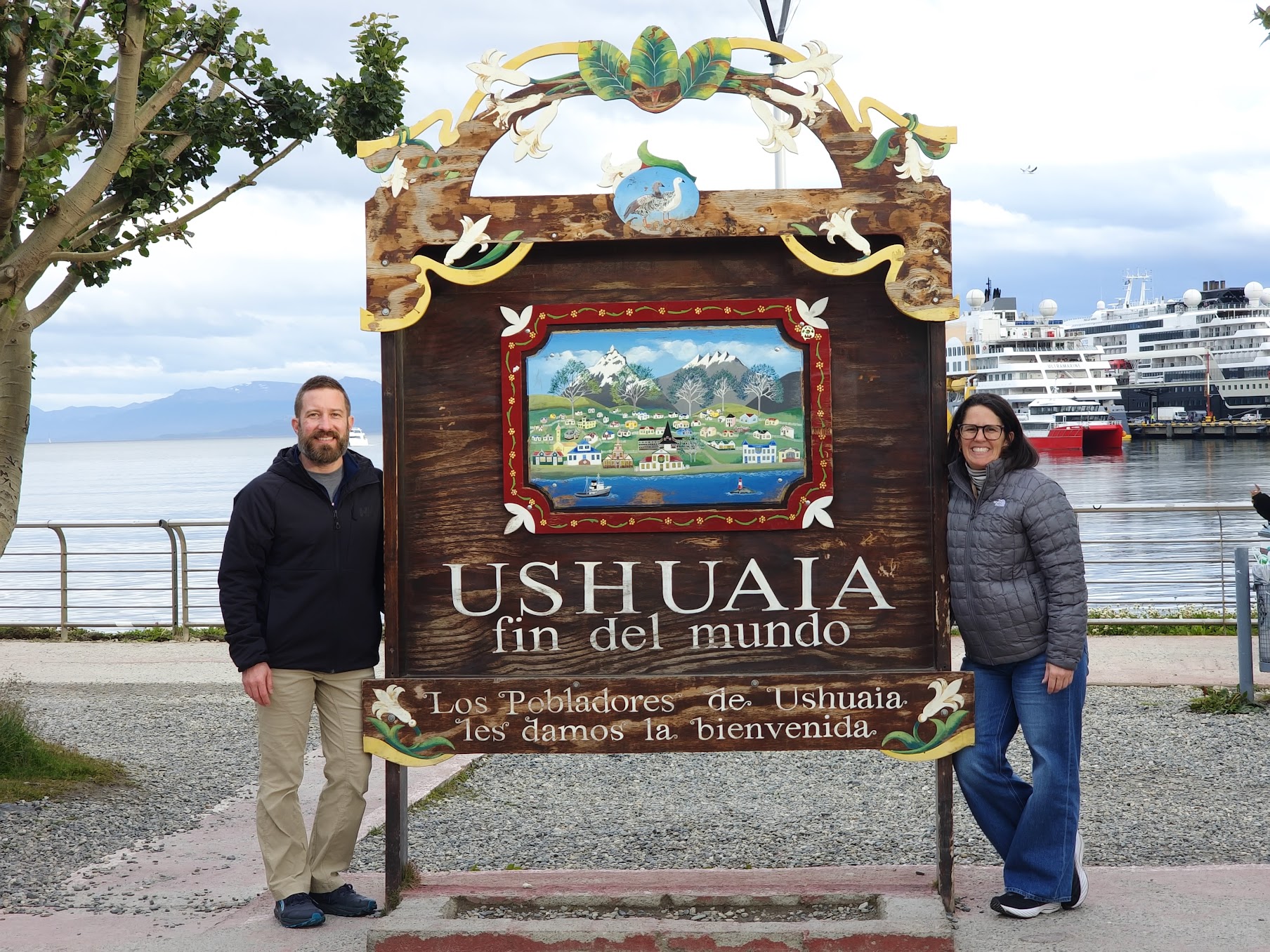
Ushuaia. Fin del mundo. The sign delivers on the name.
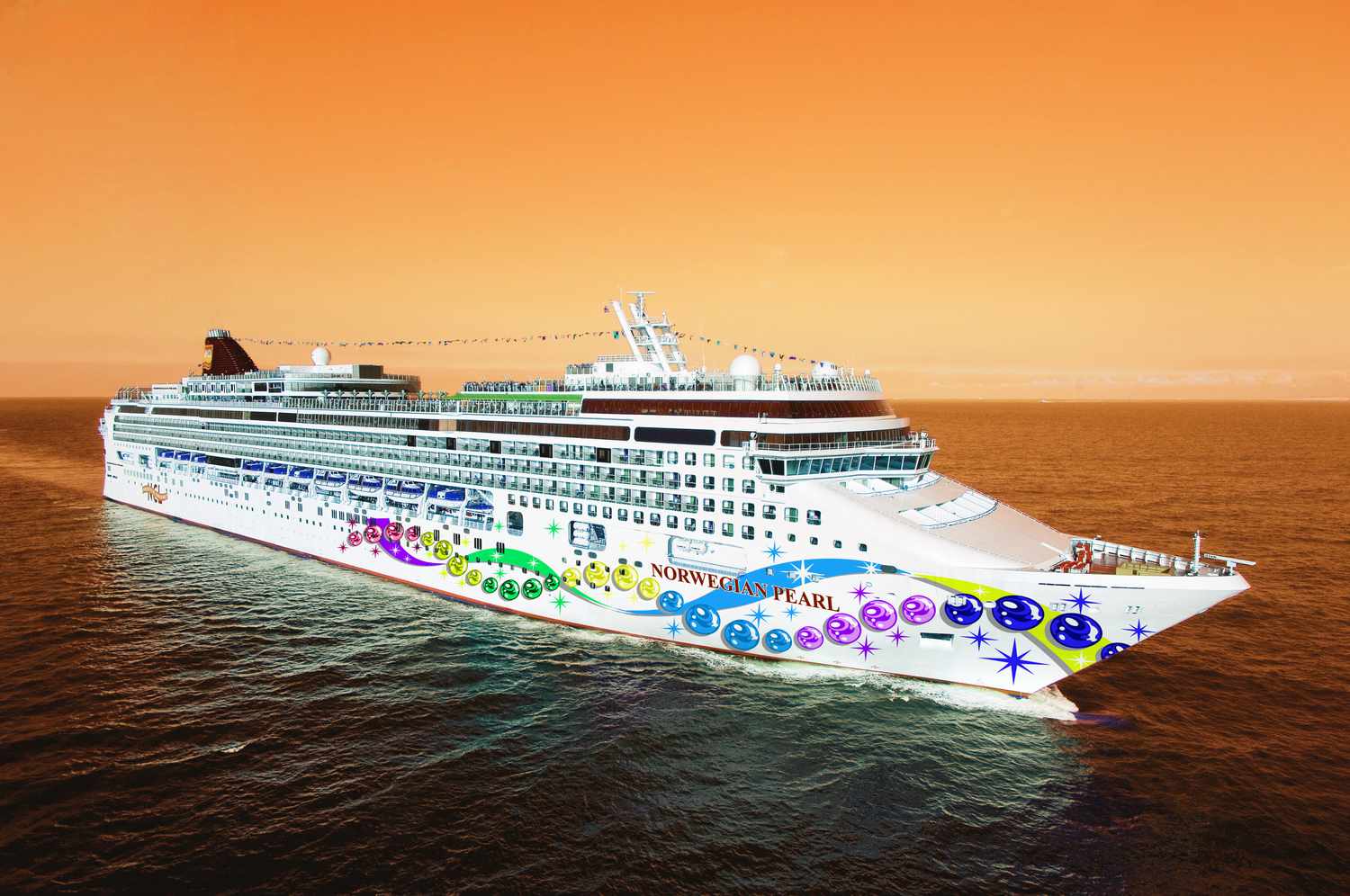
For the expedition-minded traveler, that’s the point entirely. Ushuaia is the primary departure port for Antarctic expeditions: the launching pad for one of the most singular travel experiences on earth. The crossing of the Drake Passage, two days of open Southern Ocean, leads to a continent that sees fewer visitors per year than a mid-sized American city sees in a weekend. A proper expedition, ten to twenty days aboard a purpose-built ice-strengthened vessel with wildlife biologists and polar guides on staff, is not a cruise in the traditional sense. It’s closer to field research you happen to be paying for. Zodiacs off the bow to land among penguin colonies. Humpback whales surfacing twenty meters from the inflatable. Glaciers calving into water the color of something you don’t have a name for.
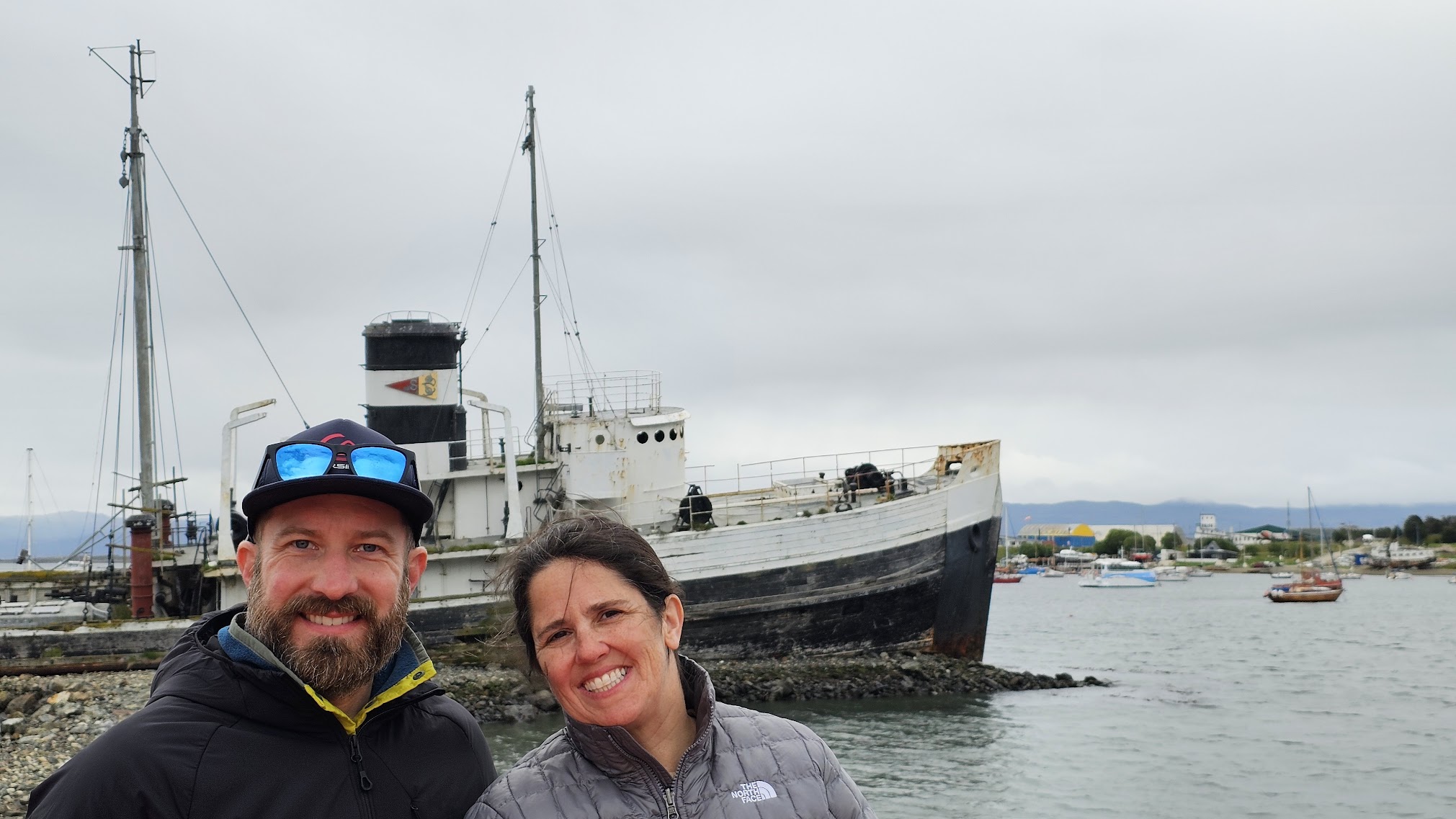
The Beagle Channel waterfront. Named after the ship that carried Charles Darwin. Everything in Ushuaia carries that kind of weight.
The cost reflects the exclusivity. A quality Antarctic expedition from Ushuaia runs from roughly $10,000 to $30,000 per person depending on vessel, season, and itinerary. This is exactly the category of trip where a travel advisor with expedition knowledge earns their value ten times over. We’ve done it ourselves and written about what it’s actually like. We know the operators, the itineraries, and the questions worth asking before you commit.
Even without Antarctica, Ushuaia delivers. Tierra del Fuego National Park runs from the city into dense subantarctic forest, with hiking trails, glacial lakes, and wildlife that rewards the traveler willing to move slowly through it. The End of the World Train, the southernmost functioning railway on earth, runs into the park along a route originally built by prisoners to haul timber. The Beagle Channel boat tours pass sea lion colonies and the Les Eclaireurs Lighthouse standing in open water at the edge of the navigable world. Ushuaia is also serious fly fishing territory: Tierra del Fuego’s rivers hold wild brown trout and sea-run brook trout in numbers that draw serious anglers from around the world.
Beyond the Two Cities

Mendoza Malbec at the source. Three hours from Buenos Aires by air, backed by Andean peaks.
Mendoza and the wine country of the Uco Valley sit three hours from Buenos Aires by air, producing Malbec at a level that has repositioned Argentina permanently among the world’s serious wine destinations. It’s the kind of region we plan dedicated wine travel around. The best estancias in the region, working ranch estates that now accommodate guests with the same seriousness they once applied purely to agriculture, offer a version of Argentine life the cities can’t replicate. Horseback riding into the Andean foothills. Long asados with the family that runs the place. Private wine tastings in cellars built a century ago.
El Calafate is the gateway to Los Glaciares National Park and the Perito Moreno Glacier, one of the few glaciers in the world still advancing rather than retreating. The sound of ice calving into Lago Argentino, sheets the size of apartment buildings breaking free and crashing into the water, is something you feel as much as hear. Pair it with the Chilean side of Patagonia and Torres del Paine and you’ve built an itinerary that belongs in a different category from ordinary travel.
Bariloche and the Argentine lake district round out the picture: San Martín de los Andes in particular sits at the center of some of the best trout water in the southern hemisphere, with luxury lodges built for serious anglers who want the full Patagonia experience without the guesswork.
The Defending Champions
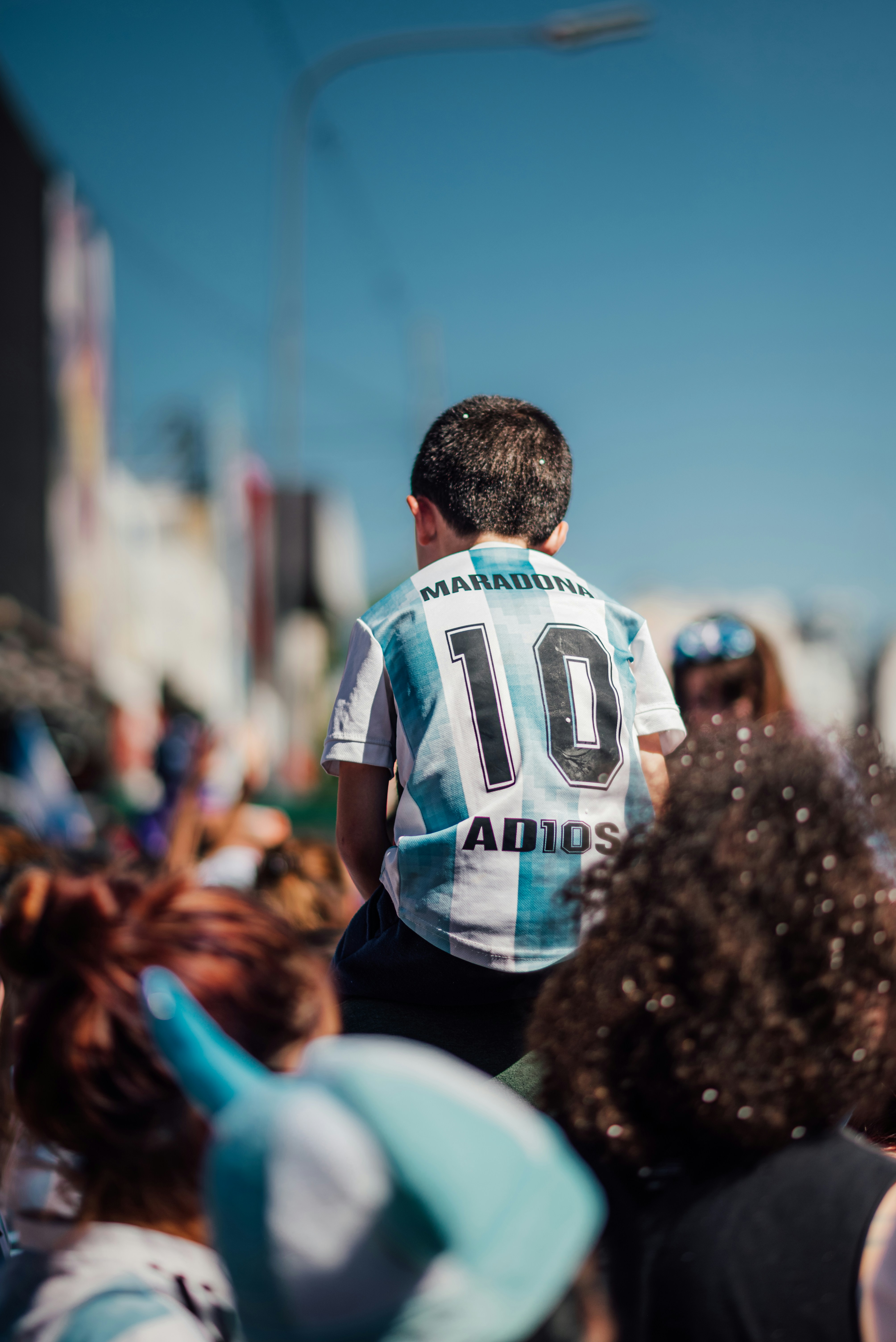
A generation raised on Maradona’s legend now watches Messi play his last World Cup. The weight of the number 10 in Argentina is unlike anything else in the sport.
Argentina enter this tournament bidding to become the first side since Brazil in 1962 to win back-to-back World Cup titles. Coach Lionel Scaloni, if he leads Argentina to consecutive titles, would be the first manager to achieve that since Italy’s Vittorio Pozzo in 1934 and 1938. Messi, at 38, is playing his last World Cup. The weight of that is not lost on anyone watching.
Group J on paper appears relatively favorable, but Argentina have been guilty of complacency before, losing to Saudi Arabia at the group stage in Qatar before eventually lifting the trophy. They won’t make that mistake twice. This team knows what it’s doing and what’s at stake.
Argentina is one of those destinations that doesn’t need the World Cup to make its case. Buenos Aires is a world-class city operating at a price point that rewards the traveler willing to get on the plane. Ushuaia is the serious expedition traveler’s gateway to the end of the earth and everything beyond it. The country in between delivers at every level: wine, wilderness, fishing, glaciers, ranch culture, open sky.
Watch the group stage. Then book the trip.
Thinking About Argentina?
Buenos Aires and Ushuaia are a natural pairing. Add Mendoza or Patagonia and you’re building something serious. Jennifer has been to both ends of this country and can put together an itinerary that actually gets you there. Our itinerary advisor is a good place to start.