Growing up I didn’t know much about it, didn’t have strong associations with it, and wouldn’t have put it in the same conversation as Italy or France when it came to travel. So when we found ourselves headed there in 2012 for a wedding, with our oldest less than a year old in tow, I didn’t have high expectations. Just a trip.
What happened over the following days in southern Spain is the version of travel I keep trying to get back to. The kind where a place you didn’t think you cared about rearranges something permanently.
Spain enters this World Cup as the reigning European champions, winners of Euro 2024, and one of the handful of genuine contenders for the title. They’re in Group H alongside Cape Verde, Saudi Arabia, and Uruguay. The country will not be judged by one slow group stage result. Neither should it be judged by whatever associations you’ve carried about it without actually going.
Andalusia Is Not the Spain You Think It Is
Most Americans have a version of Spain in their head built from Hemingway references, bullfighting associations, and a general impression of beaches and sangria. Southern Spain, Andalusia specifically, is something different from all of that. The difference is what blindsided me in 2012.
Andalusia was under Moorish rule for roughly 700 years, and that history didn’t disappear. It’s built into the architecture in a way that has no real European parallel. You don’t absorb it from a museum. You walk into it.
Granada and the Alhambra
The Alhambra is a palace and fortress complex built by the Nasrid dynasty in the 13th and 14th centuries, sitting on a hill above the city with the Sierra Nevada behind it. It’s one of the most extraordinary things I’ve seen anywhere. The interior is not what you expect from a building that old: geometric tilework, carved plaster, reflecting pools, carved wooden ceilings. The level of craft is staggering. It’s not what Americans think of when they think of Spain, and that gap between expectation and reality is exactly the point.
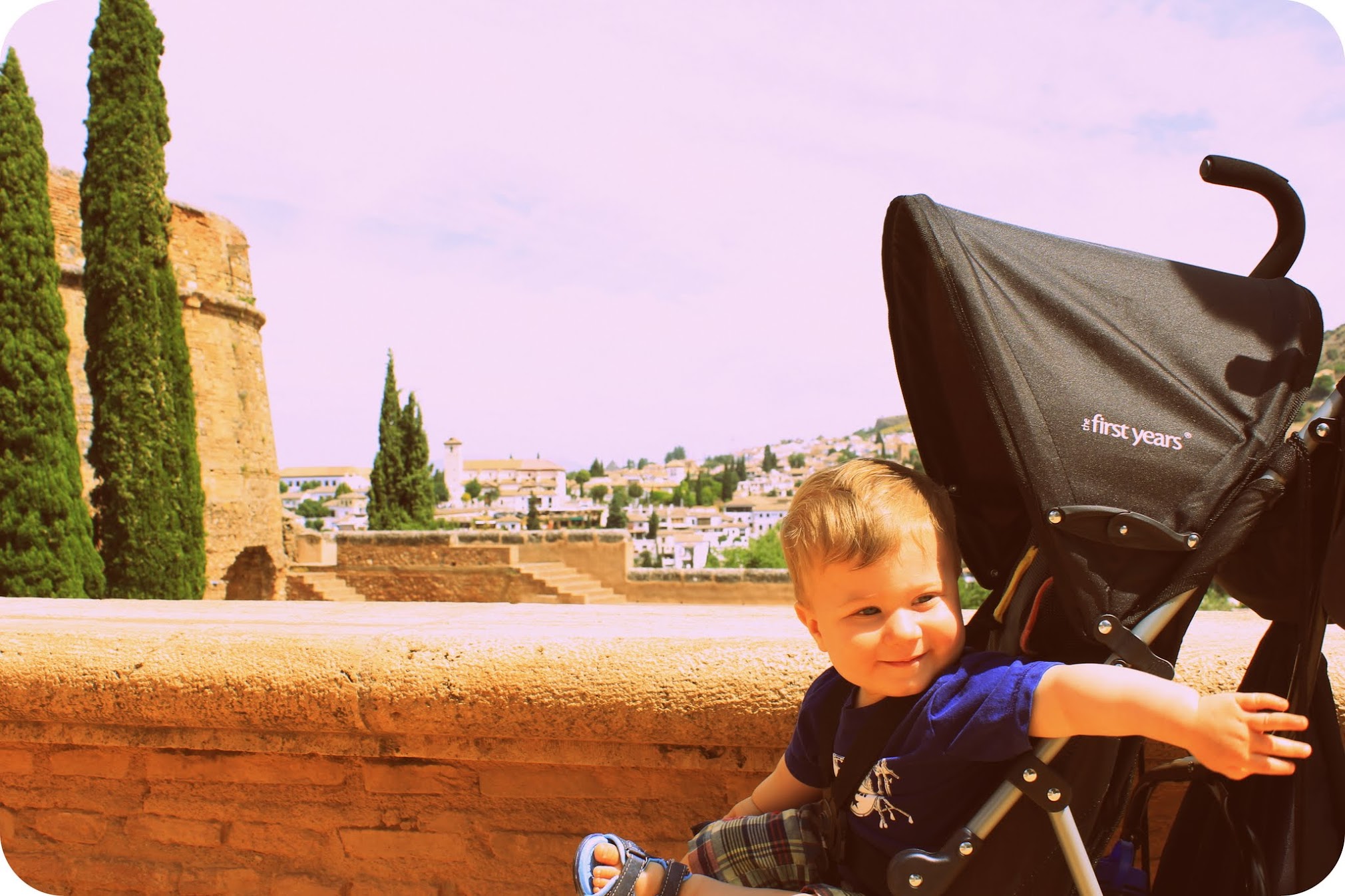
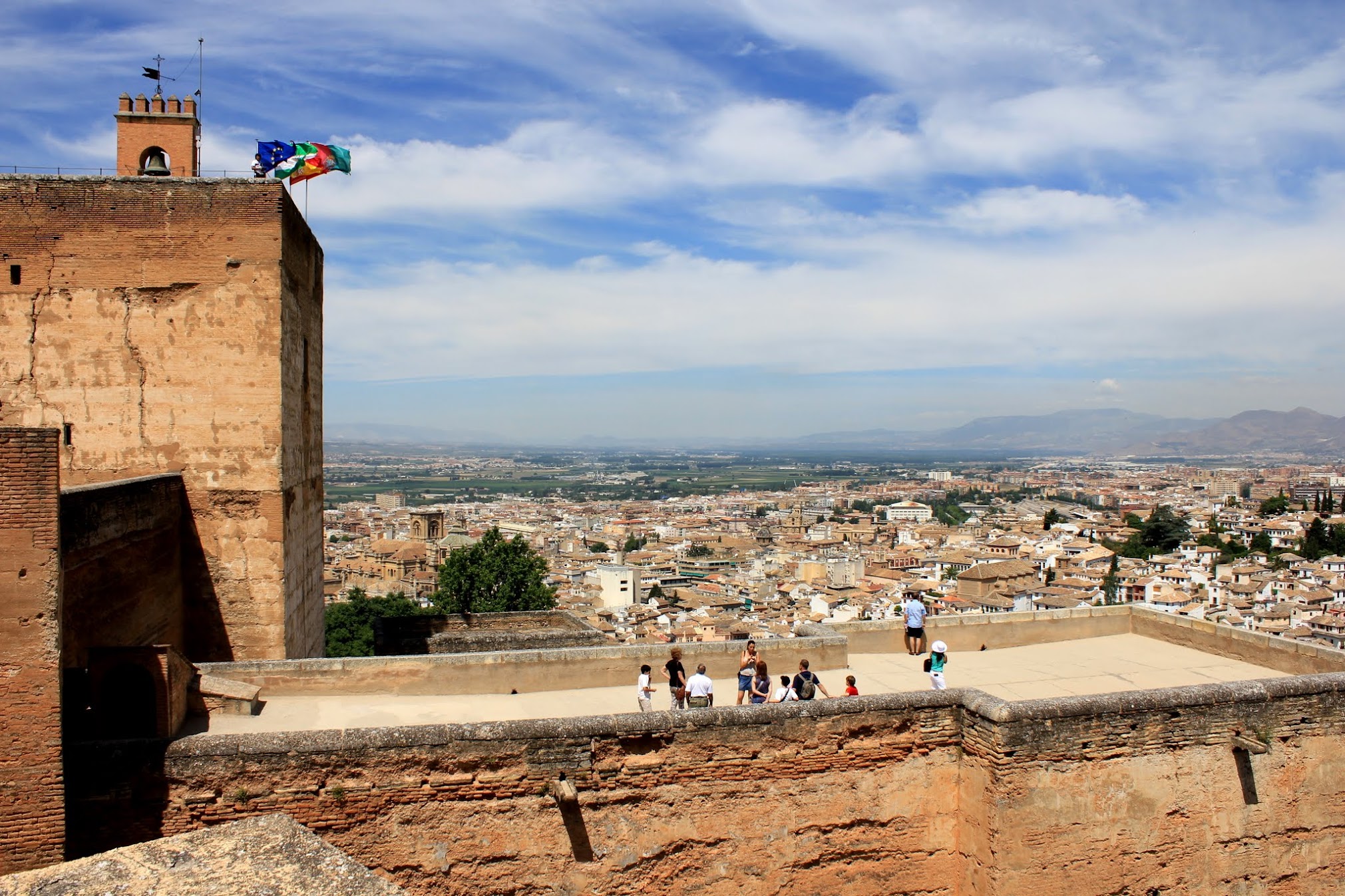
At the Alhambra in 2012, with our oldest in tow. The view from the fortress walls over Granada is one of those moments that stays with you.
We had our oldest there before he could walk. The logistics of traveling with a baby under one year old were their own adventure. The Alhambra was worth every bit of the effort required to get there.
Córdoba and Seville
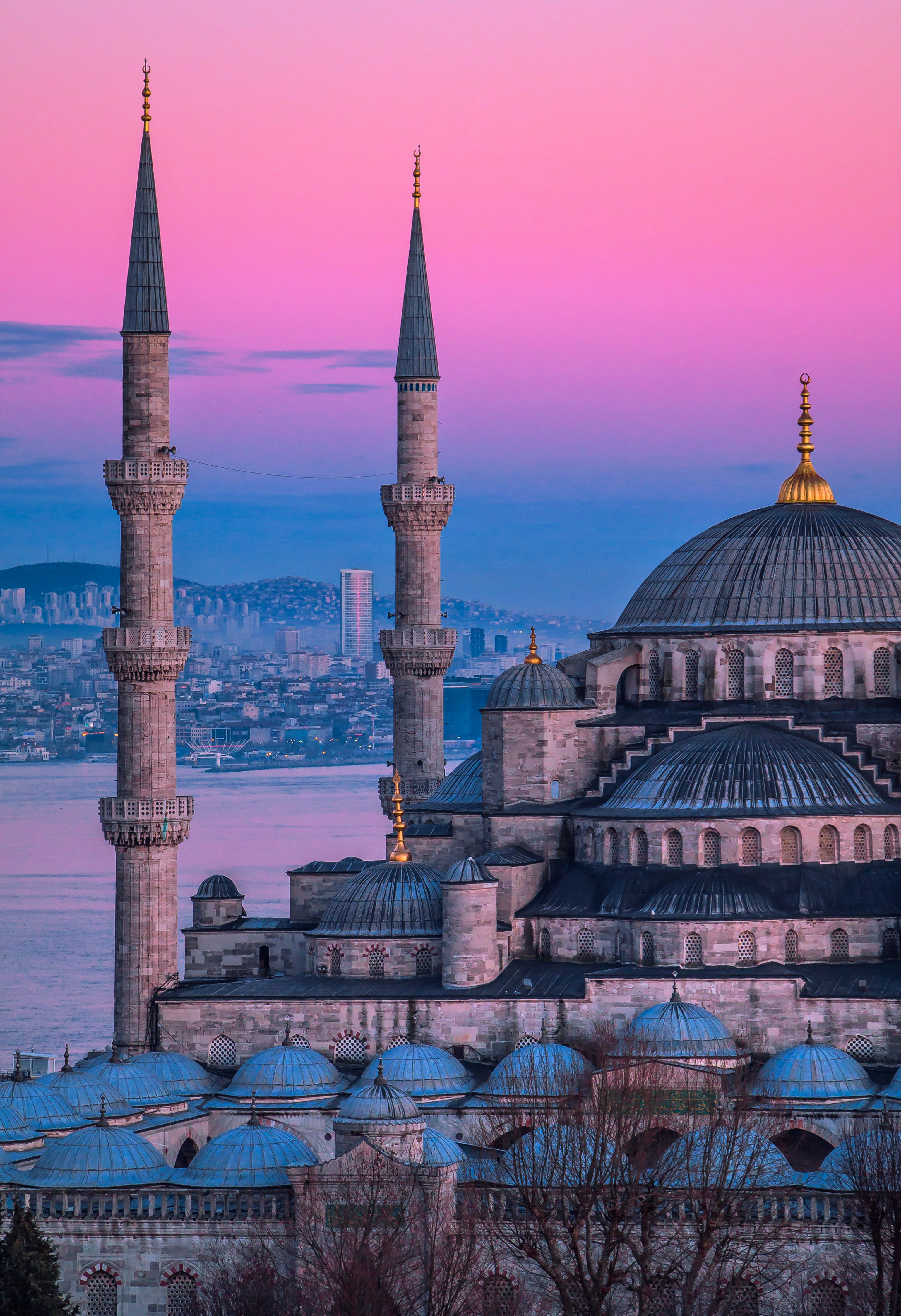
The Mezquita in Córdoba makes a similar case. A mosque built in the 8th century, then converted to a cathedral after the Reconquista, then left in a state of deliberate overlap. You walk through a forest of 856 columns of jasper, onyx, marble, and granite inside what is also a functioning Catholic cathedral. It shouldn’t work as a building. It works completely. The experience has something in common with what you find in Istanbul’s great monuments, where centuries of different histories sit in architectural tension without resolving neatly into either one.
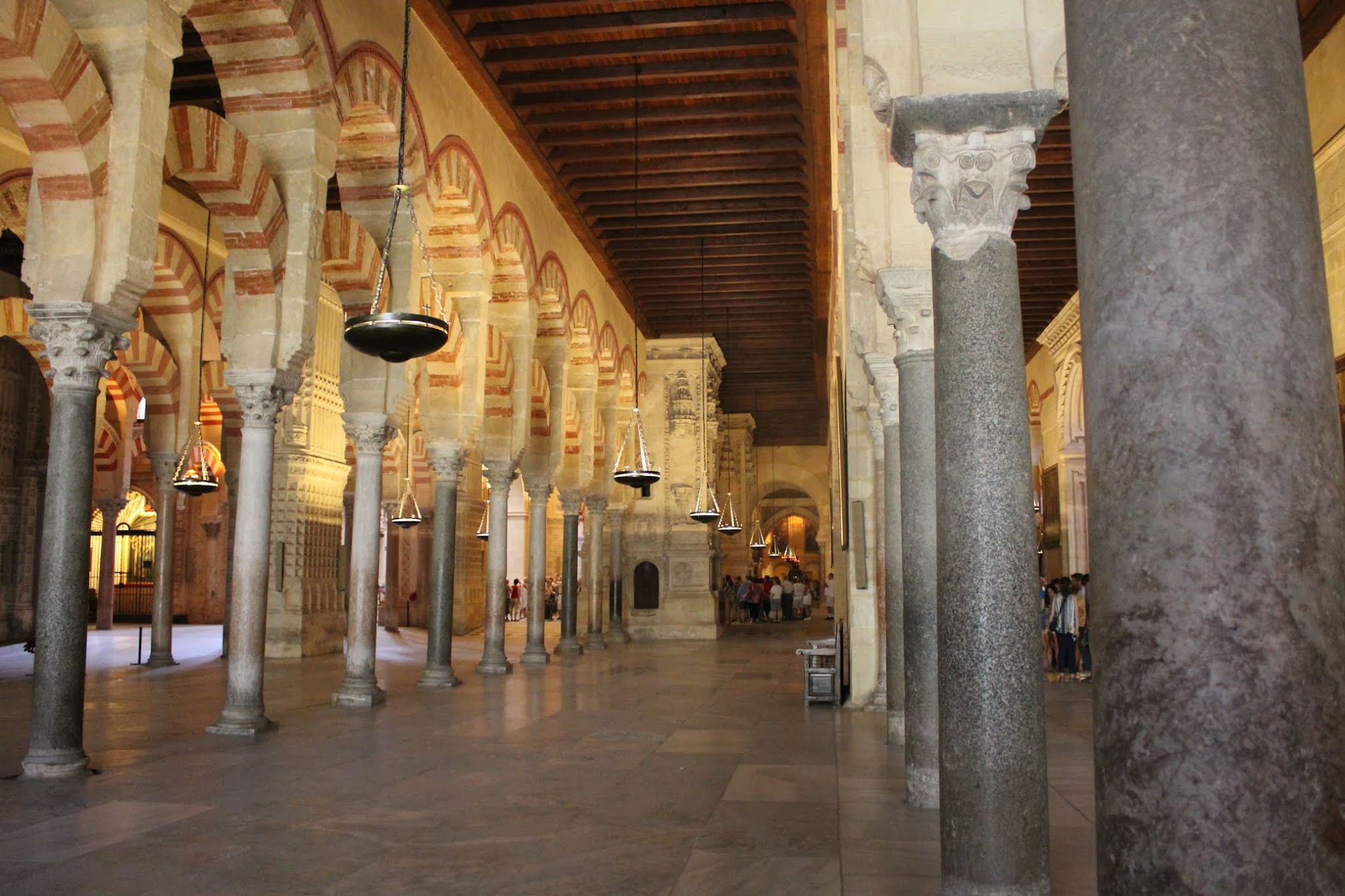
The interior of the Mezquita in Córdoba. The scale and the layering of histories inside this building are unlike anything else in Europe.
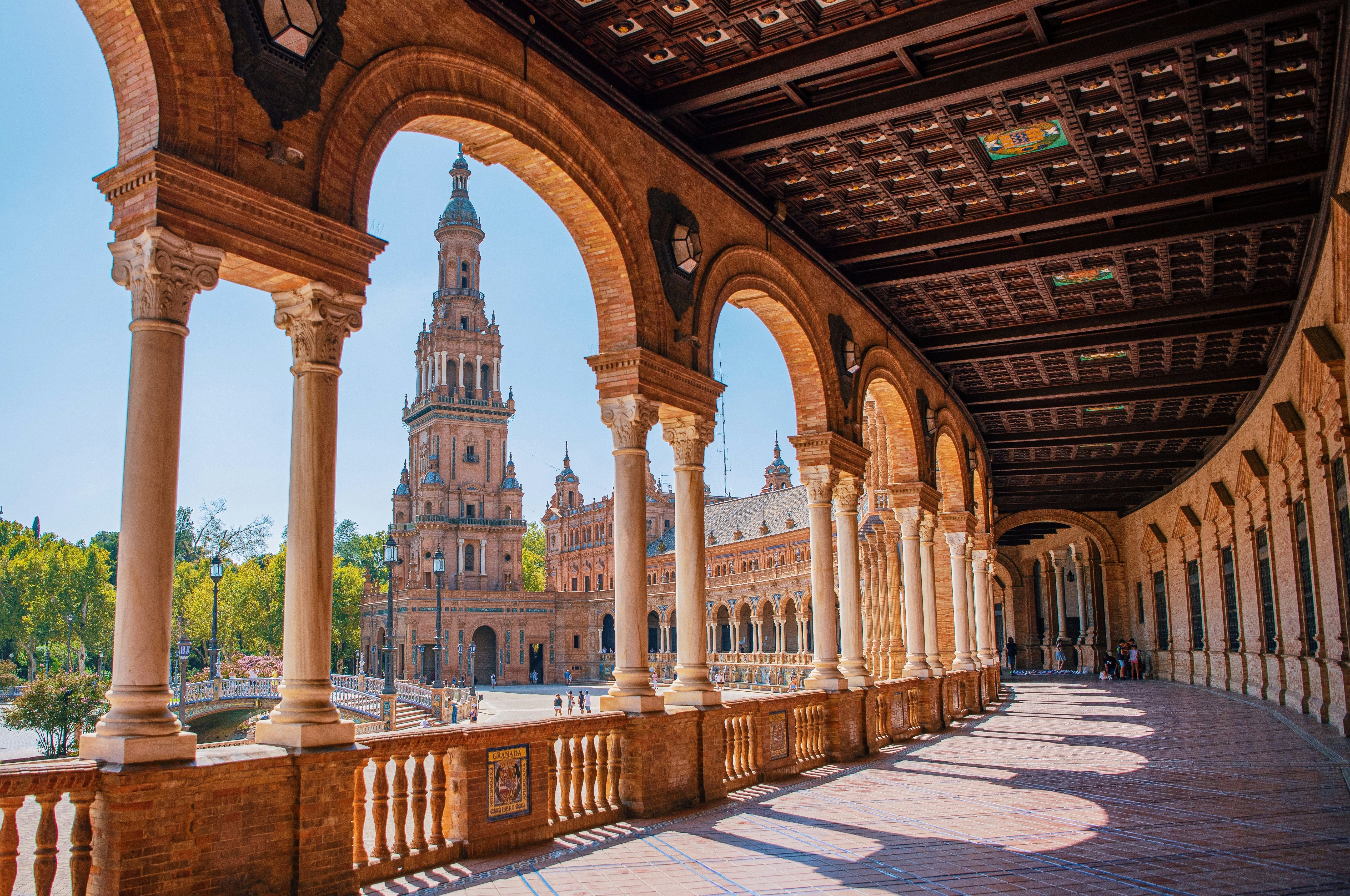
Seville sits between them and operates at a different register: baroque, loud, unambiguously Spanish in the way the other two cities aren’t quite. The Gothic cathedral is the largest in the world by some measures. The Alcázar palace is another Moorish structure, still used as a royal residence, with gardens that reward an hour of wandering. Flamenco in Seville is not the tourist performance version. It’s a living tradition with serious practitioners and serious audiences, and seeing it properly changes how you understand it.
Málaga and the Costa del Sol
Málaga is the coastal anchor of the region. Birthplace of Picasso, increasingly recognized as a city worth more than a transit stop, with a food scene and an arts culture that have been building steadily for years. The old town and the Alcazaba fortress above it reward more time than most visitors give them.
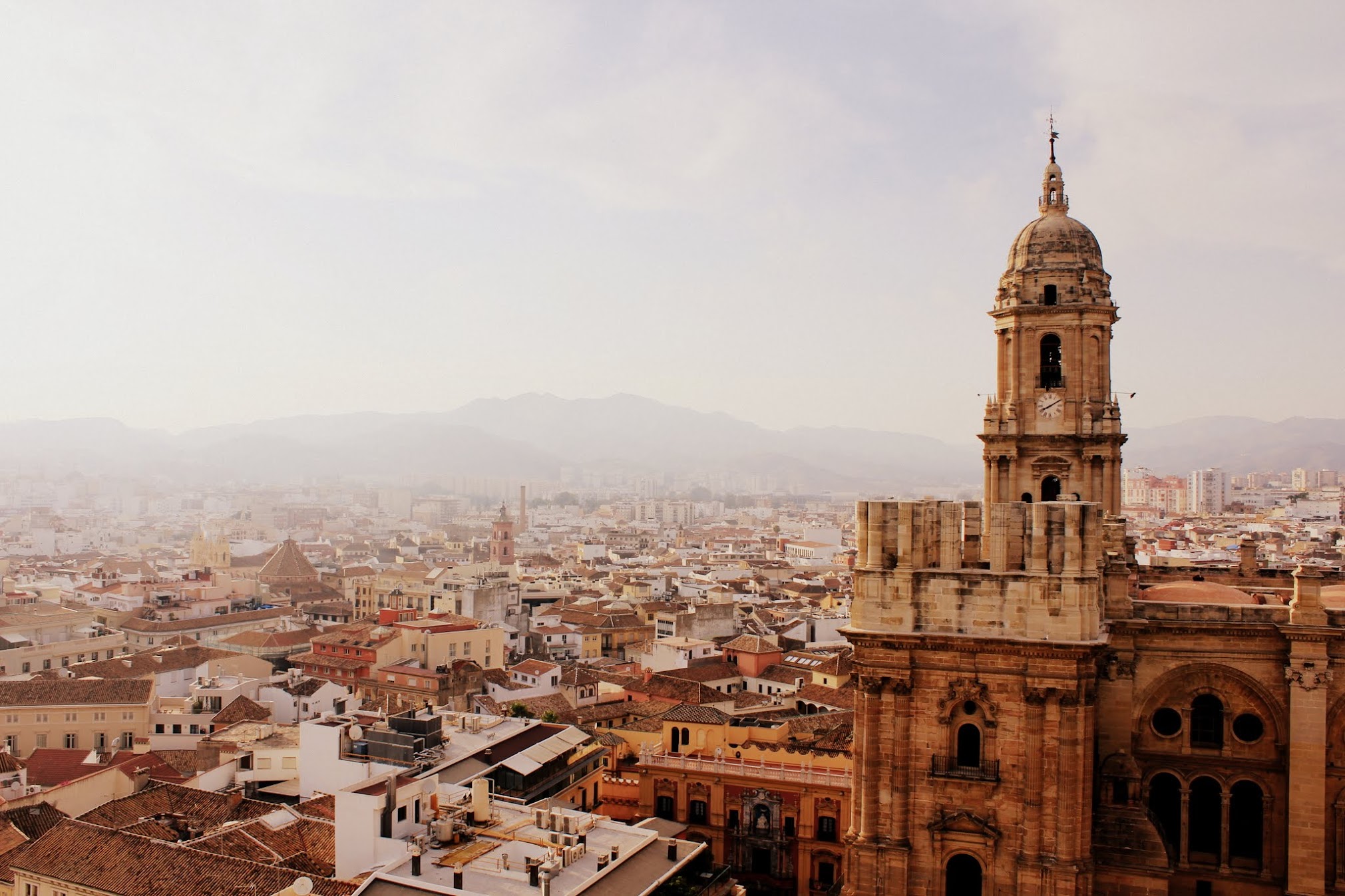
Málaga from above, with the cathedral tower and the old city spreading toward the Mediterranean. The city rewards more time than most itineraries allow.
Marbella is what happens when the money arrives: high-end hotels, marina restaurants, Puerto Banús. It delivers at that level. The Costa del Sol is genuinely one of the better stretches of Mediterranean coastline on the European side, and it competes with the region’s better-known destinations without requiring the crowds that come with them. We had our oldest there before he could walk. The logistics of that trip were their own adventure.
The Spain Jen Knows
Jen has been back to Spain since 2012, visiting friends further north, and the Spain she describes is substantially different from the Spain I know. That’s not a contradiction. It’s the point.
The Basque Country sits in the north, straddling the French border, with its own language (Basque is unrelated to any other language on earth), its own food culture, and its own identity that it guards carefully. San Sebastián is the city that serious food travelers build trips around. The concentration of Michelin-starred restaurants per capita is among the highest anywhere in the world, and the pintxos bars, the Basque version of tapas, operate at a level that makes the whole concept of bar food feel newly serious. It’s a city worth flying to specifically.
Galicia sits on the northwestern corner of the country: wet and green and more Celtic than Mediterranean in feel. Santiago de Compostela is the endpoint of the Camino de Santiago, the ancient pilgrimage route that draws hundreds of thousands of walkers every year. Not all of them religious, most of them changed by the experience regardless. The Camino has enough variants and enough infrastructure that it works for different fitness levels and available time, from the full 500-kilometer walk from the French border to the final 100-kilometer stretch that still qualifies for the Compostela certificate.
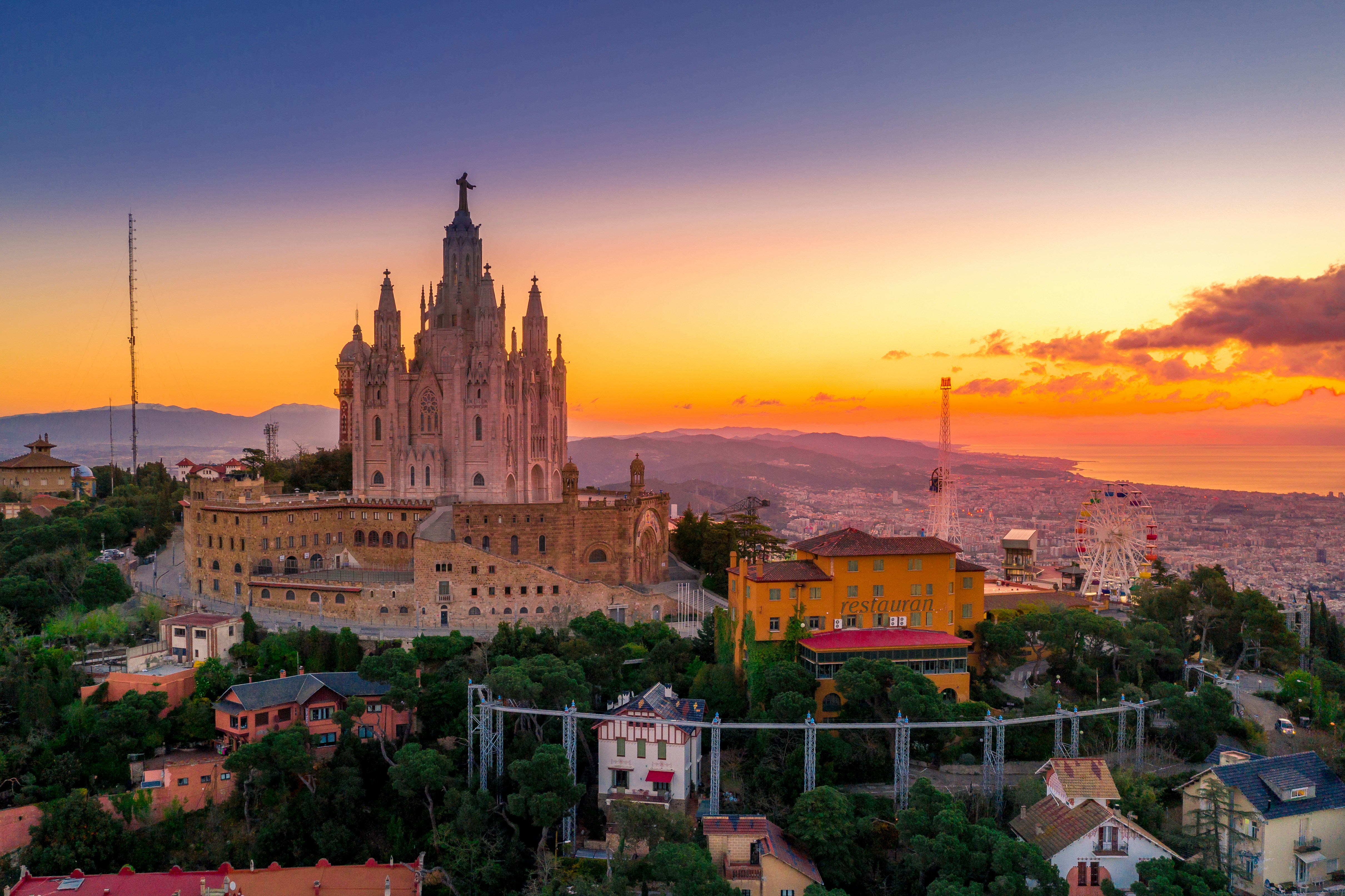
Barcelona at sunset from Tibidabo. Spain’s variety across regions is one of the things that makes it worth repeated visits.
The Rioja wine region is in the north as well. Spanish wine has been making its case to serious wine travelers for years, and Rioja, with its bodegas, its tempranillo-based reds, and its landscape of vines against the Cantabrian mountains, is the obvious starting point. Ribera del Duero runs it close for the traveler willing to go further.
Madrid sits roughly in the center of the country and operates at a register that doesn’t fit neatly into any regional story. The Prado holds one of the great art collections in the world: Velázquez, Goya, El Greco in a concentration you won’t find anywhere else. The Reina Sofía anchors the 20th century, with Picasso’s Guernica as its centerpiece. The food scene, the neighborhood life, the energy of the capital: Madrid earns its place as a standalone destination and as a natural gateway for trips that go further into the country in any direction.
The Parador Network
Spain runs one of the more remarkable hotel programs in the world and most American travelers haven’t heard of it. The Parador network is a collection of state-run hotels built into historic structures across the country: castles, monasteries, convents, and palaces that would otherwise be closed to visitors. The Parador of Granada sits inside the Alhambra complex itself. The Parador of Cardona is a 9th-century castle in Catalonia. The Parador of Santiago de Compostela is a 15th-century royal hospital facing the cathedral directly.
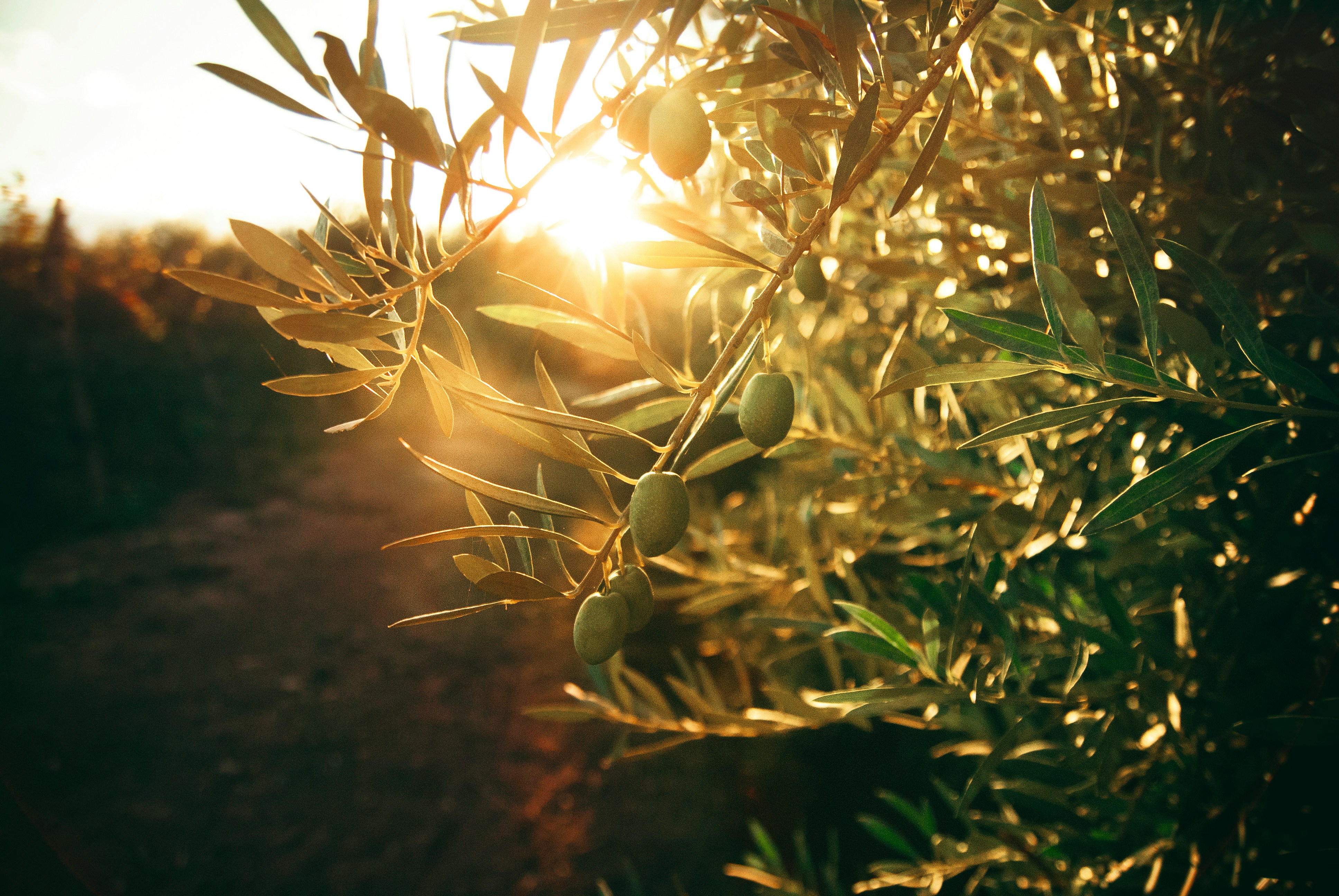
The landscape of southern Spain, olive groves in the afternoon light, is as much a part of the experience as the architecture.
The quality varies but the concept doesn’t: you sleep inside Spanish history, and the price is typically far below what the setting would command in France or Italy. For a trip that centers on Andalusia, building a Parador night or two into the itinerary is one of the better travel decisions available to you.
Go to Andalusia. See the Alhambra. Let it rearrange your expectations the way it rearranged mine.
I went to Spain for a wedding in 2012 with a baby under a year old and no real sense of what I was walking into. What I found in Granada, Seville, Córdoba, Málaga, and Marbella was a country that had been sitting outside my frame of reference for no good reason, carrying one of the richest cultural histories in Europe and a landscape that delivers at every level.
Spain drew 0-0 with Cape Verde in their World Cup opener and plays today needing a response. The country will not be judged by one slow group stage game. Neither should it be judged by whatever associations you’ve carried about it without actually going.
Ready to Plan Spain?
Andalusia, the Parador network, the Basque Country, the Camino: Spain works at almost every kind of trip. If you’re ready to start putting something together, our itinerary advisor is a good place to start, or reach out to Jennifer directly.