
That result is the reason this post exists now. It’s not really what the post is about. England doesn’t need a football run to justify a trip. It’s one of the most visited countries on the planet, and the case for going has almost nothing to do with a men’s national team’s ability to hold a lead. Here’s the actual country, tournament aside.
London Is a Fraction of It
Most first-time visitors do London and call it England. That’s not wrong, exactly. It’s just incomplete. London earns the time people give it: the museums are free, the neighborhoods genuinely don’t resemble each other (Shoreditch and Notting Hill could be different cities), and the city rewards wandering without an itinerary as much as it rewards ticking off the landmarks.

Notting Hill. Ten minutes away, Shoreditch looks nothing like this.
But London is also the one part of England that doesn’t feel particularly English once you’ve been to the rest of it. It’s a global city first. The character most people actually associate with “England,” stone villages, hedgerow-lined roads, pubs older than most countries, lives outside the M25.
The Country Outside the Capital
The Cotswolds are the postcard version: honey-colored stone villages, footpaths connecting one town to the next, and a pace of life that makes the two-hour train ride from London feel like it crossed a much bigger distance than it did.

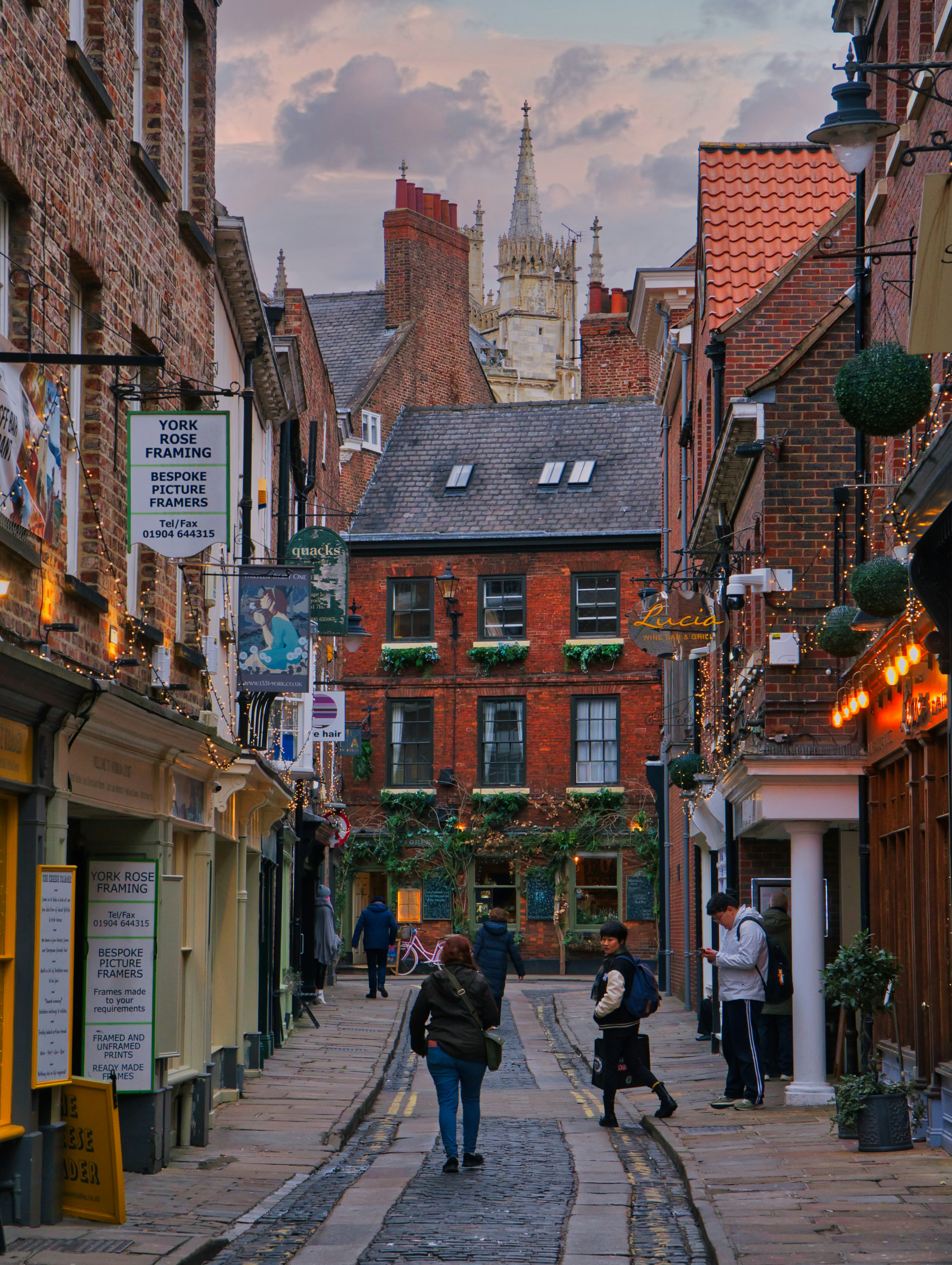
The Lake District and York. Two hours apart, centuries apart in feel.
The Lake District is the outdoor case for England: fells, tarns, and a walking culture that predates “hiking” as a marketed activity by a couple hundred years. Wordsworth wrote about this landscape because it’s genuinely striking, not because it was the only landscape available to him.
York carries a thousand years of layered history in a walkable core: Roman walls, Viking street names, a medieval Minster, in a way that doesn’t require a car or a guide to appreciate.

Cornwall: cliffs, fishing villages, and a coast path that rivals anywhere in Europe.
Cornwall and Devon are the coastline most people don’t associate with England at all until they see it: cliffs, fishing villages, and a stretch of coast path that rivals anything in Europe for scenery, minus the Mediterranean crowds.
None of this needs a World Cup to be worth planning around. It’s arguably underrated precisely because England’s football team keeps giving people a reason to think about the country only every two to four years.
Activities via Viator. Booking supports Schwan Travel Co.
Food’s Better Than Its Reputation
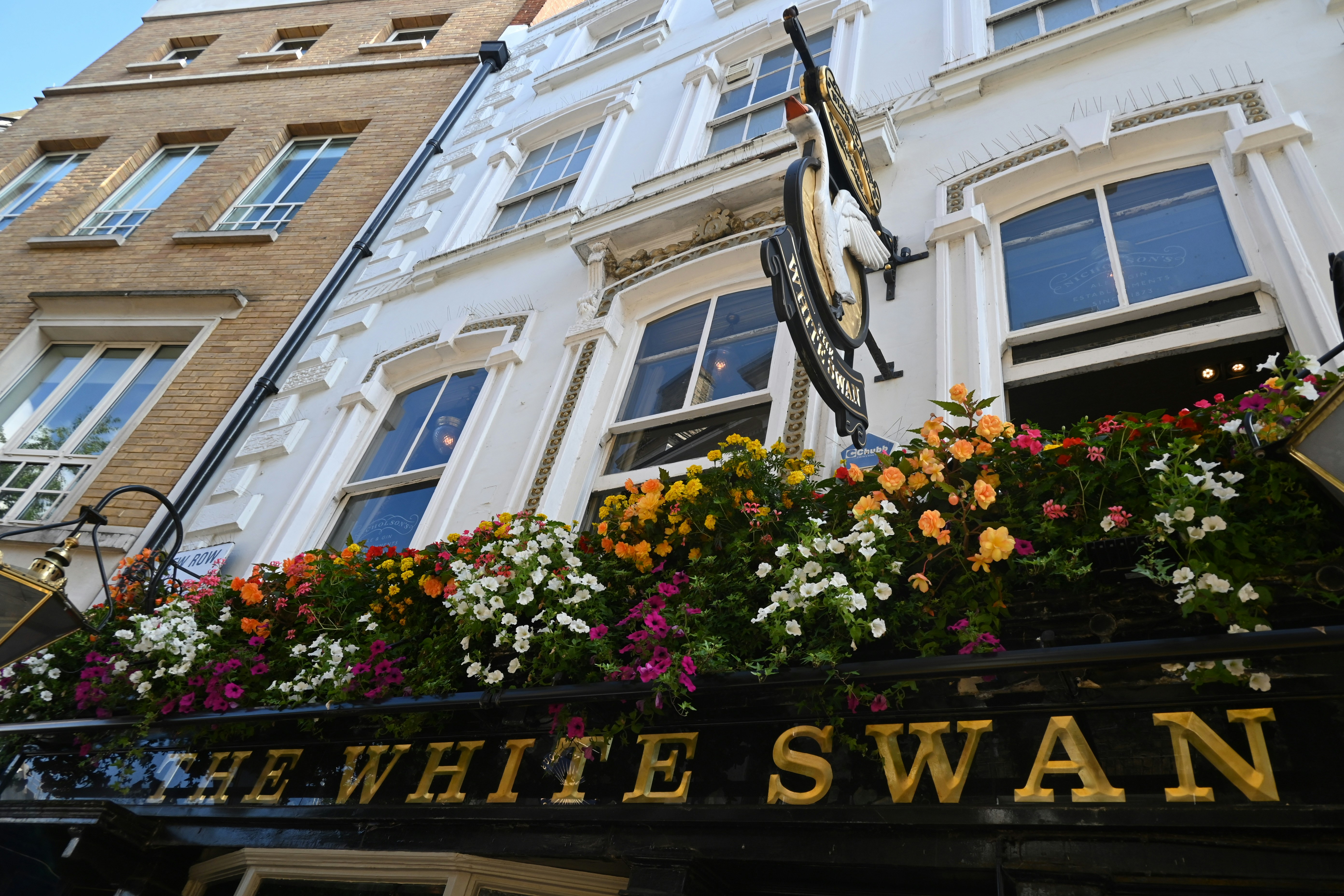
Simple food, done well, in a room that’s been doing it the same way for a long time.
The joke about English food is decades out of date. A proper Sunday roast, a good curry (England’s Indian food scene, especially in London and Birmingham, is genuinely excellent and a product of real immigration history, not novelty), regional cheeses, and a pub culture built around simple food done well: none of that matches the stereotype. The food case for England isn’t flashy, but it’s real, and it’s a mistake to skip it based on jokes that stopped being accurate a long time ago.
Practical Notes
- Rail, not rental car. The train network makes multi-stop England trips easy without the overhead of driving on the other side of the road, and most of the places worth seeing outside London are well served by it.
- Shoulder season, April/May or September/October, avoids the worst of both the crowds and the weather. English summers get the marketing; they don’t always deliver the reliability.
- Budget more time outside London than the typical itinerary allows. A week that’s five days London and two days elsewhere almost always ends with people wishing they’d flipped that ratio.
England was worth visiting before this tournament and it’ll be just as worth visiting the next time nobody’s thinking about it because there isn’t a match on.
Real Talk
Argentina moves on to face Spain in Sunday’s final, chasing a repeat title that hasn’t happened in 70 years. England goes home early again, and it’s a fair question whether that’s bad luck or a pattern by now. That’s a real disappointment for anyone who follows the team.
But it’s worth separating that disappointment from the actual country. England was worth visiting before this tournament and it’ll be just as worth visiting the next time nobody’s thinking about it because there isn’t a match on. That’s usually the better time to go anyway: the crowds are for the football, not the fells.
Ready to Plan England?
London, the Cotswolds, the Lake District, York, Cornwall: England works whether you have four days or four weeks. Tell us what’s calling to you, and we’ll go from there.