Mexico co-hosted this World Cup and had a run worth watching: topped their group, beat Ecuador at Estadio Azteca for their first knockout-round win since 1986, then lost a 3-2 thriller to England in the same stadium when Bellingham scored twice in two minutes. Hard way to go out. But the country that hosted all summer is worth knowing well past the final whistle.
Mexico City
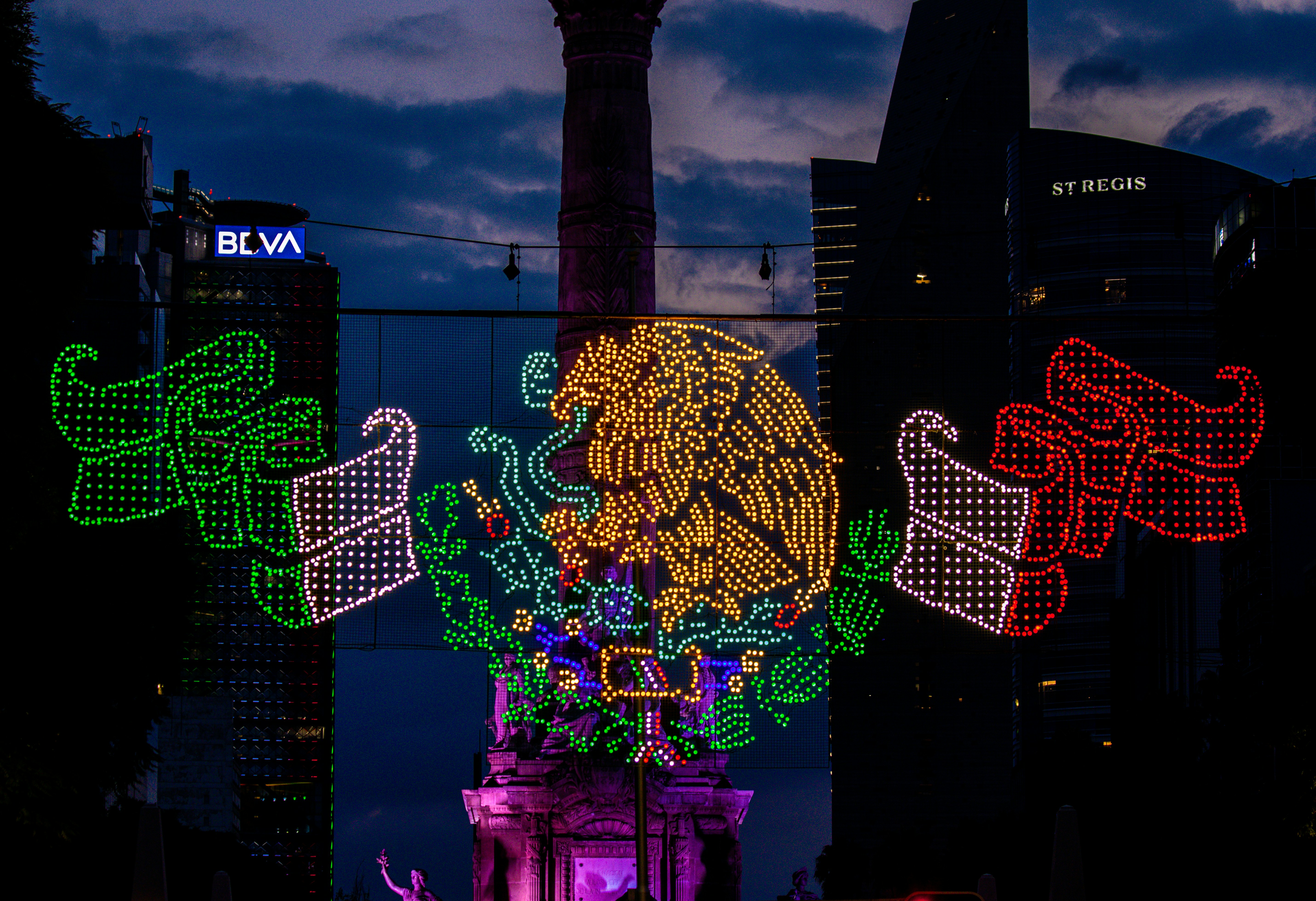
Most Americans either haven’t been or didn’t stay long enough when they went. The city sits at 7,300 feet and takes a day to find your footing. It has more museums than any other city in the world. Pujol ranks among the world’s 50 best restaurants. The taco stand on a corner in Roma Norte at midnight is in the same conversation in a different way. Both are true at once, and that’s kind of what the city is.
Roma Norte and Condesa are walkable and lived-in, the kind of neighborhoods where you sit down for lunch and look up flights before the check comes. Coyoacan is quieter: colonial, slower, where Frida Kahlo was born and lived. Casa Azul, her house and studio, doesn’t feel like a museum. It feels like someone just stepped out. The Diego Rivera murals at the Palacio Nacional are free, cover entire walls, and took eleven years to paint. Most people walk past them too fast.
Just outside the city, Teotihuacan predates the Aztec empire by centuries. Climb the Pyramid of the Sun before the tour groups get there. It’s worth the early alarm. Give Mexico City four or five days and treat it like what it is.
Oaxaca
Three hours south by air. The food alone is worth the flight. Mexican cuisine has UNESCO recognition, and Oaxacan food is its most celebrated version: the seven moles, the tlayudas, the cheese, the chapulines if you’re up for it. The mezcal made in the surrounding valleys, still using stone mills and clay pots at a lot of the small distilleries, doesn’t have much in common with what gets poured in American bars under the same name. A half day driving through the Tlacolula Valley changes what you think you knew about it.
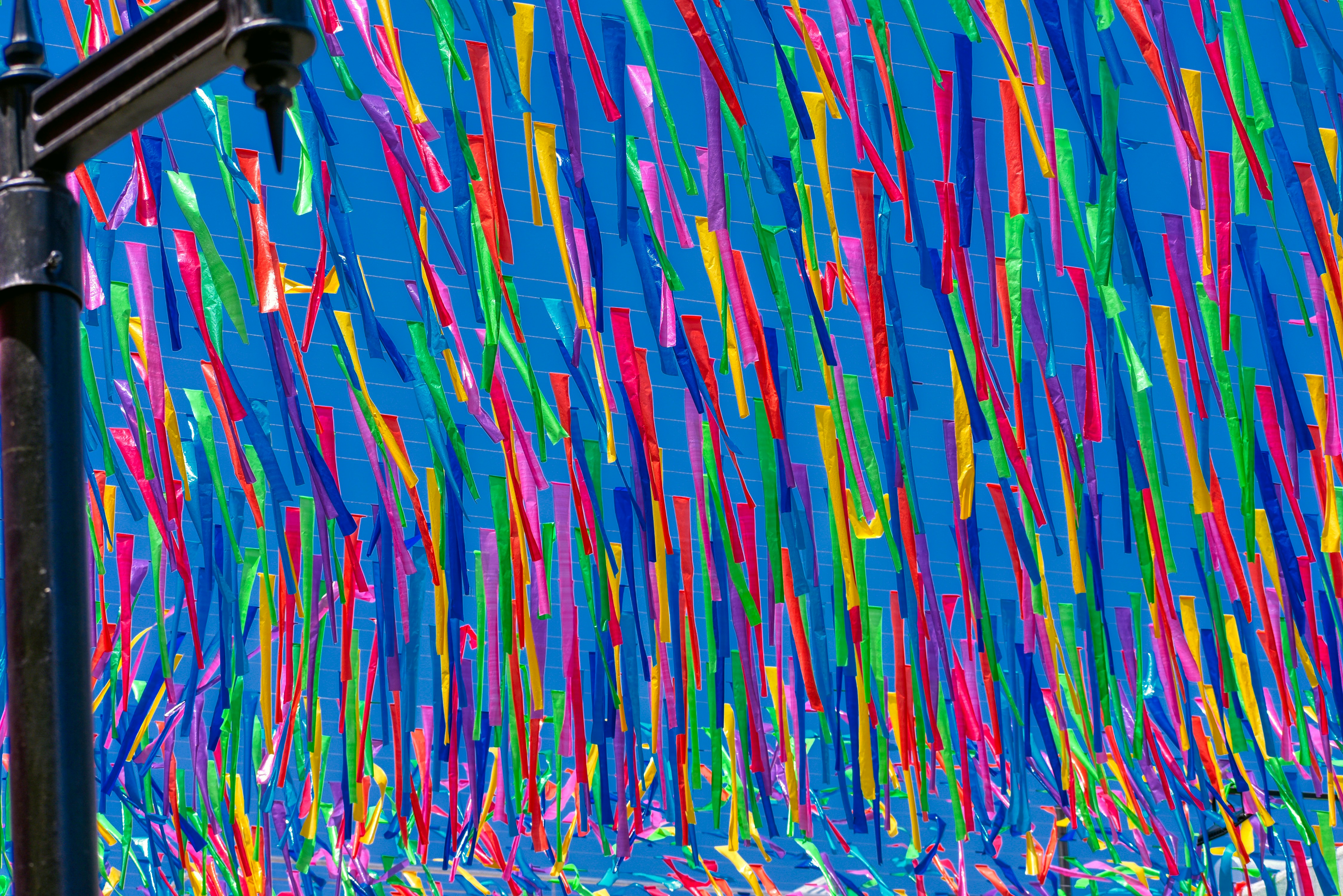
Oaxaca de Juárez. The colors change by the hour.
Monte Alban sits on a flattened mountaintop above the city, a Zapotec city built over a thousand years ago, still looking out over the whole valley. Hierve el Agua in the mountains east of town is petrified waterfalls above natural pools and shouldn’t really exist but does. If the timing works, be here for Day of the Dead on November 1st and 2nd. Not the exported version. The actual thing.
The Yucatan
Most people who fly into Cancun don’t make it to a cenote. That’s the first thing to fix. Cenotes are sinkholes connected to underground rivers that run under the whole peninsula. Some are open-air pools. Some are underground caves with stalactites dropping into water so clear it looks fake. There’s nothing else quite like them.
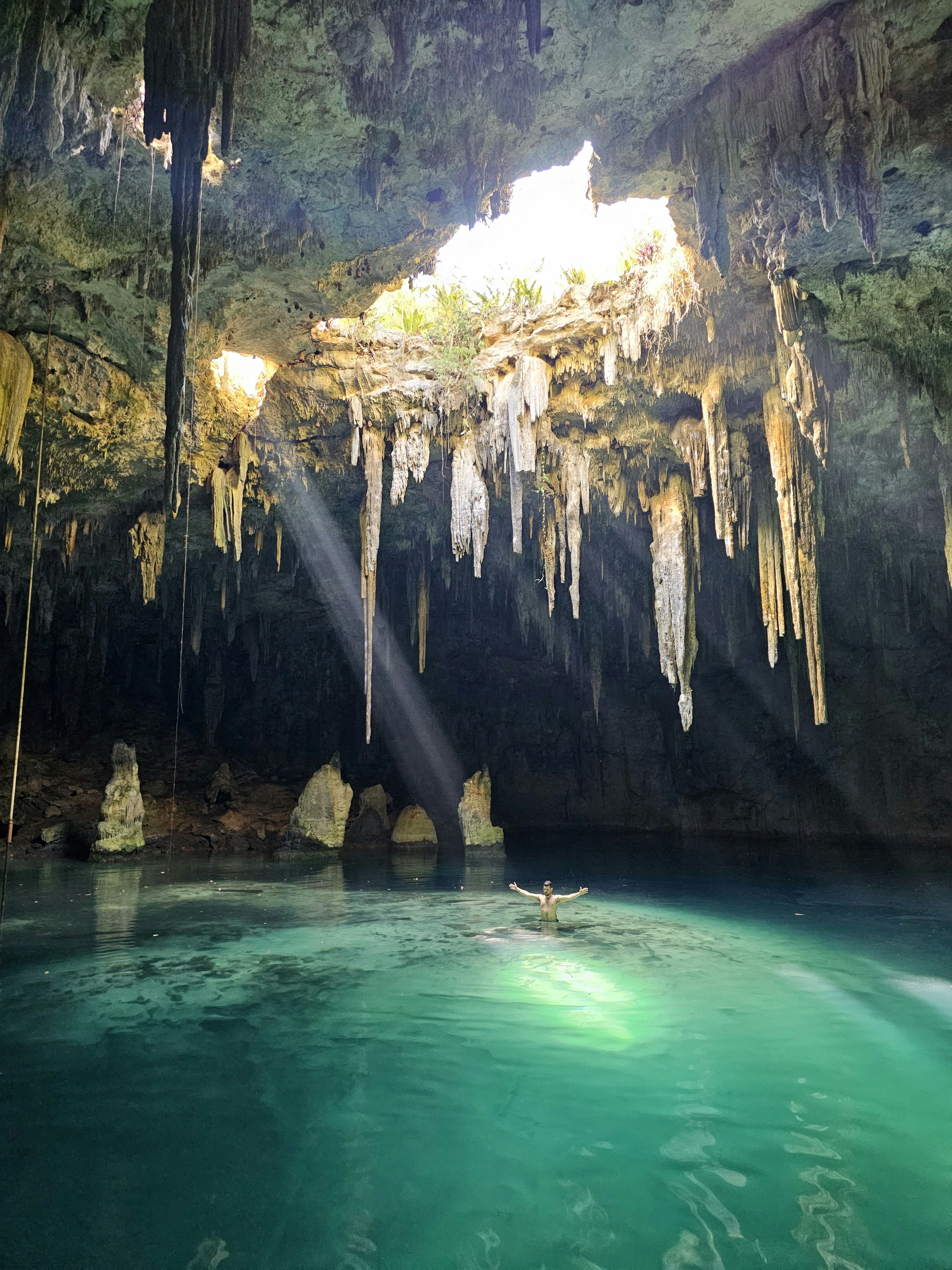
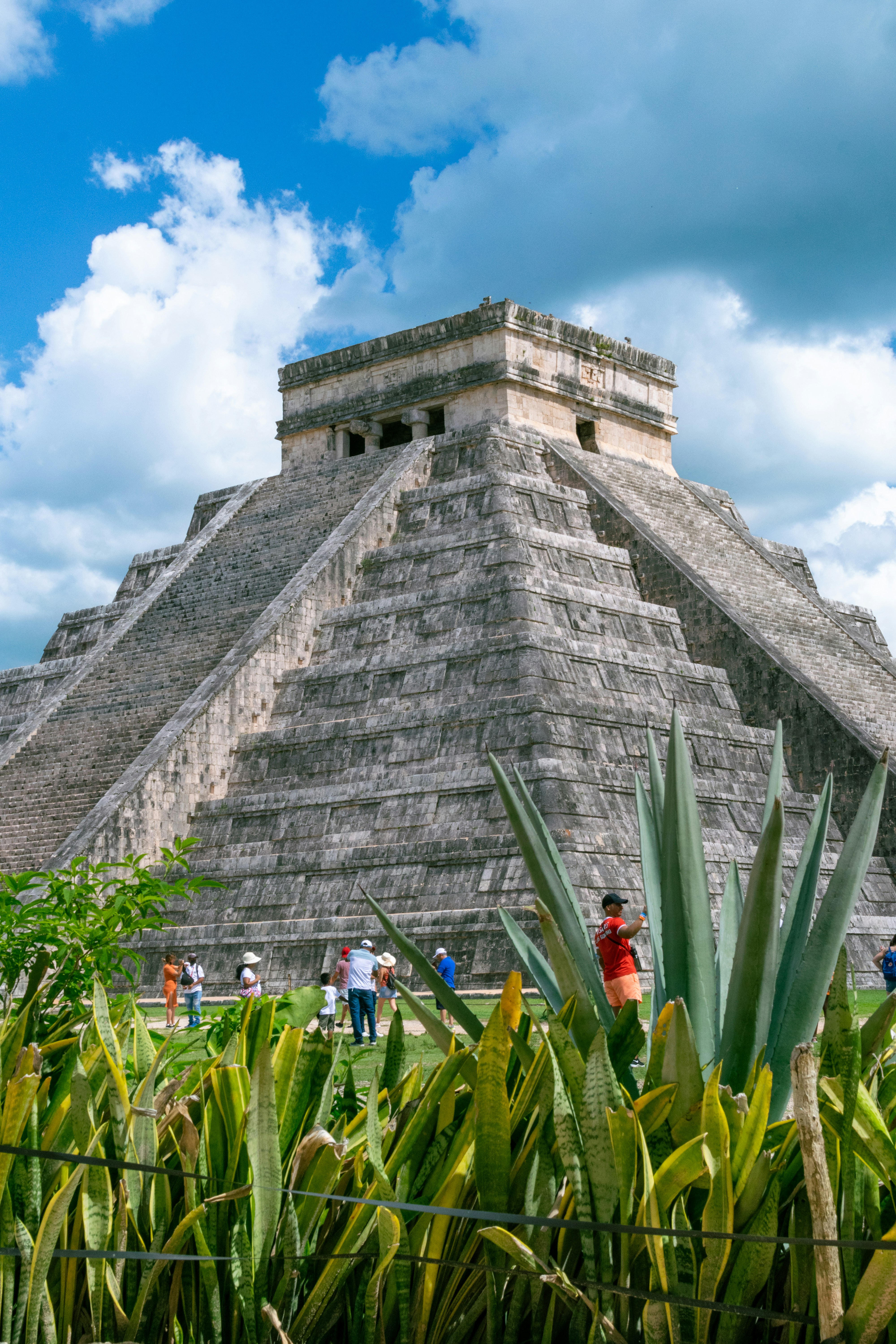
A cenote outside Valladolid, and the Pyramid of Kukulkán at Chichen Itza.
Chichen Itza is worth it: hire a guide and go early, before it gets hot and crowded. Merida, the actual capital of the Yucatan, is what most tourists fly over on the way to the beach. The Sunday market, the food, the Paseo de Montejo with its old mansions: it’s a real city that rewards a couple of days. Tulum has the ruins above the Caribbean and a hotel and restaurant scene that’s still worth seeing.
A Few More Things Worth Knowing
San Miguel de Allende is a colonial UNESCO city in the central highlands with an art scene and a main square that stops people mid-sentence. Hot air ballooning over the surrounding hills at dawn is one of those mornings you don’t forget.
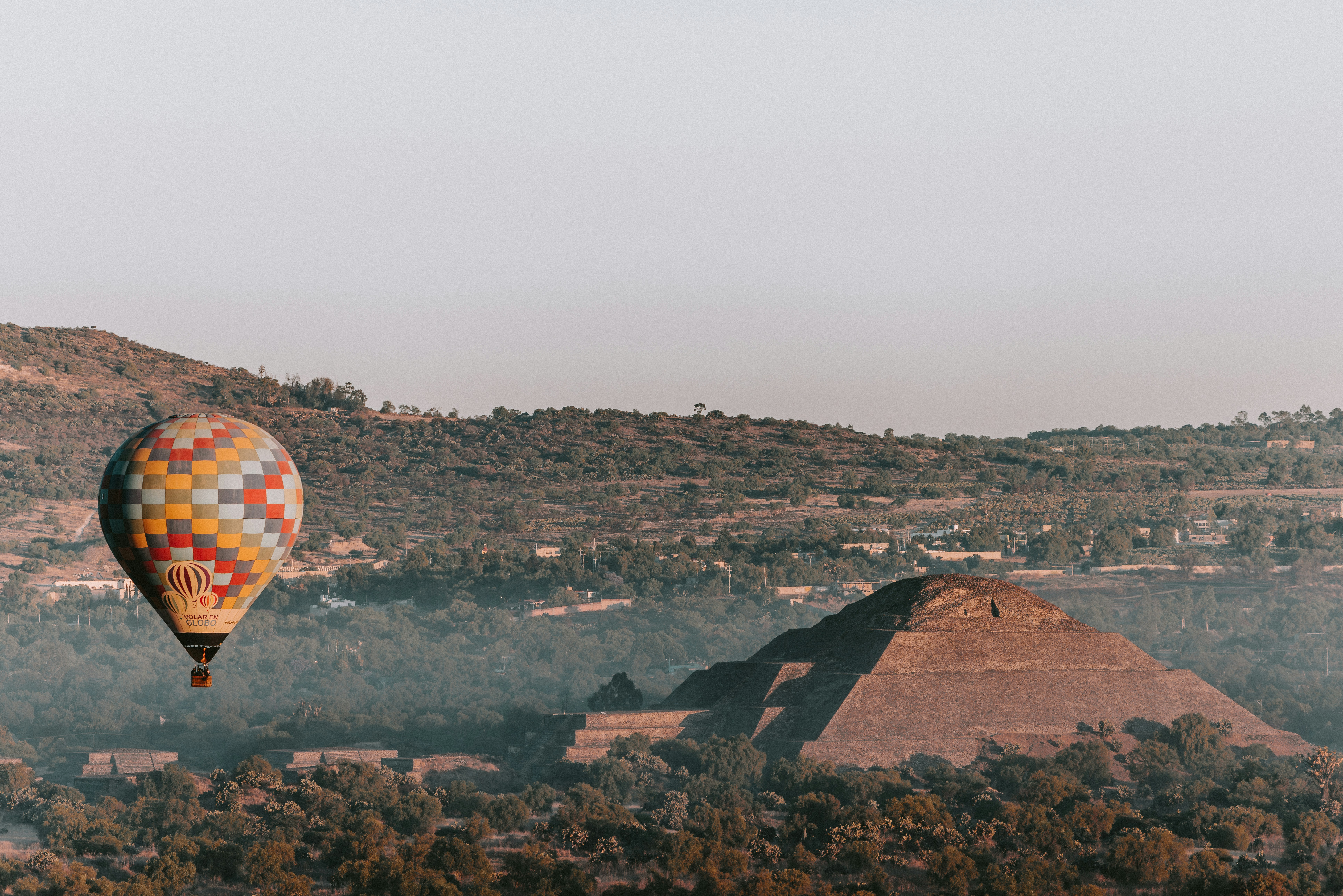
Hot air balloons over the central highlands at dawn.
Guadalajara is where mariachi and tequila both come from, which feels like enough of a reason to go. The town of Tequila is nearby, and the blue agave fields surrounding it are a UNESCO landscape, worth the drive. Baja runs south from the US border for almost 1,300 kilometers, and most Americans have only seen the bottom of it. Valle de Guadalupe in the north has become a serious wine region with outdoor restaurants and boutique producers that would surprise anyone who wrote it off as a day trip from San Diego. La Paz is where you go to swim with whale sharks in the Sea of Cortez.
Mexico is two to four hours from most American cities. It’s one of the most interesting places you can go, and most of us have barely scratched it.
Ready to Plan Mexico?
Mexico City, Oaxaca, the Yucatan, the central highlands, Baja: Mexico works at almost every level of ambition and budget. Tell us what’s calling to you, and we’ll go from there.