It went viral within hours. And it tells you something real about Norway as a place, before we get to any of the travel details.
Norwegians are actually quite reserved in daily life, in the way most Scandinavians are. But when they decide to be joyful, they commit to it completely and without apology. That spirit is worth understanding before you visit.
28 Years. Then This.
Norway is back at the World Cup for the first time since 1998, ending a 28-year absence that ran through an entire generation. Erling Haaland, their all-time leading scorer and the best striker in the world right now, was literally born after Norway last qualified. His father Alfie played for Norway at the 1994 World Cup. Current coach Ståle Solbakken played in the 1998 edition himself. The thread running through this squad is genuinely compelling, and Norway vs. France in Boston on June 26 gives you a good reason to clear your schedule.
The people willing to cross the Atlantic in Viking helmets to row up an escalator in South Station are the product of a culture that takes adventure and joy seriously. That is the country you travel to.
Hurtigruten and the Coast
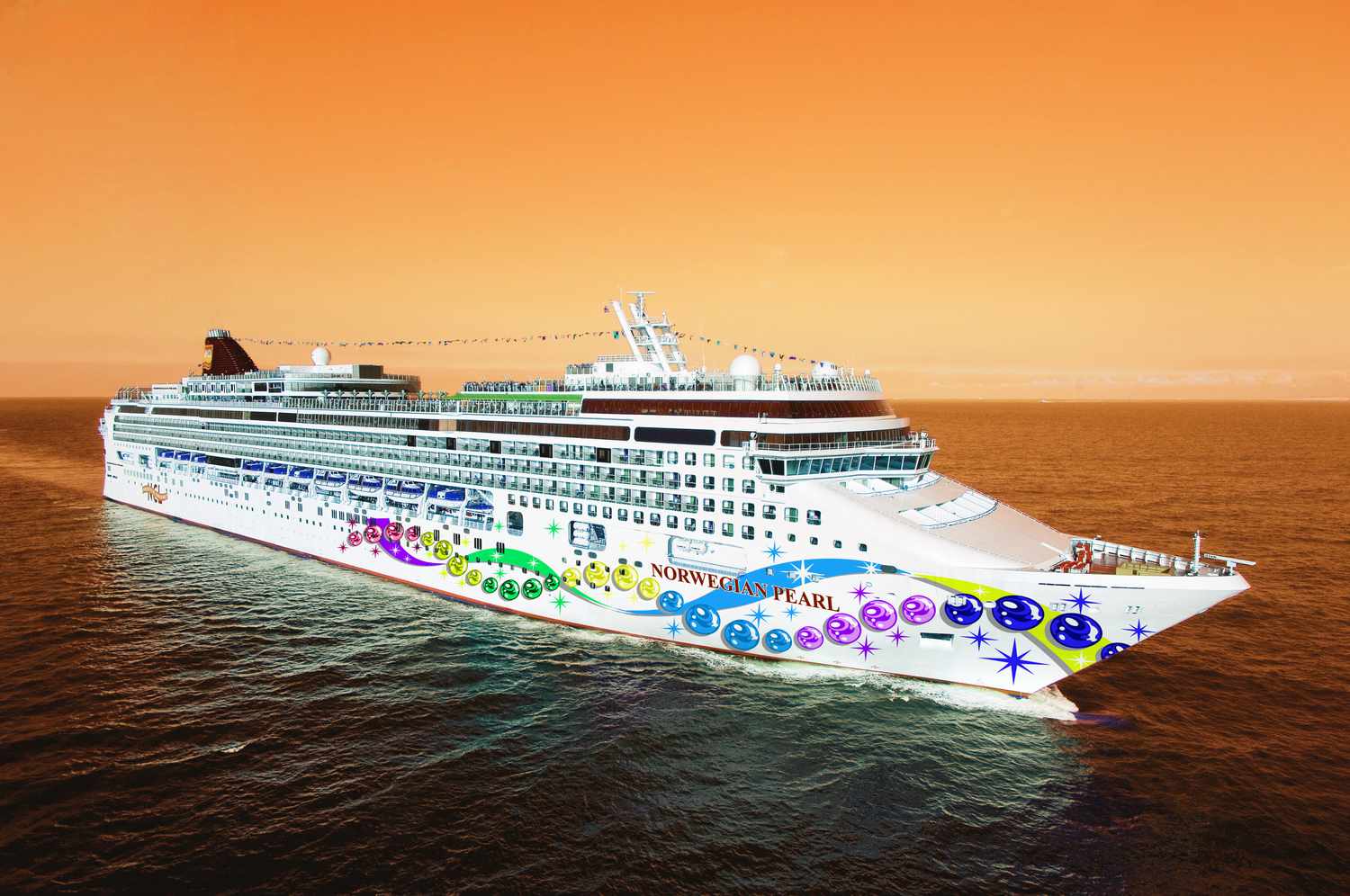
Jen and I sailed the Norwegian coast in 2023 on a Hurtigruten ship, north through the fjords and up toward the Arctic Circle. It’s also the trip on which we passed on three days in Istanbul and have been reconsidering ever since. The coastal voyage, Bergen to Kirkenes and the full run north, is one of those travel experiences that resists easy description. People who have done it tend to be annoyingly enthusiastic about recommending it to others. We are those people.
The ship stops at 34 ports over eleven days. Some stops are major towns. Some are small enough that the arrival of the ship is the event of the day. You wake up and you’re somewhere different, and the somewhere is almost always extraordinary. The coastline builds as you move north: the fjords deeper and more dramatic, the light stranger above the Arctic Circle, the landscape increasingly stripped of anything that doesn’t belong there.
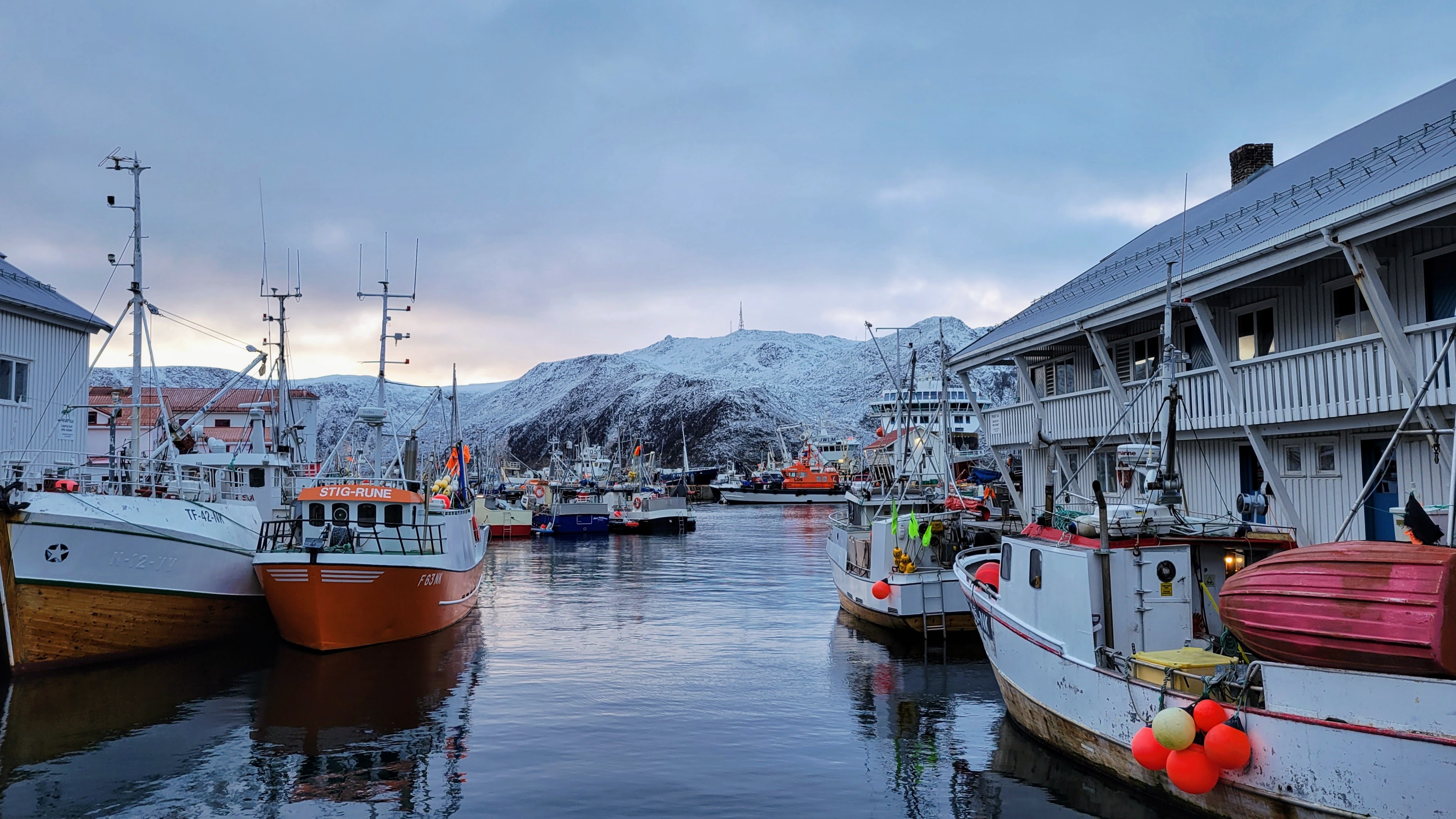
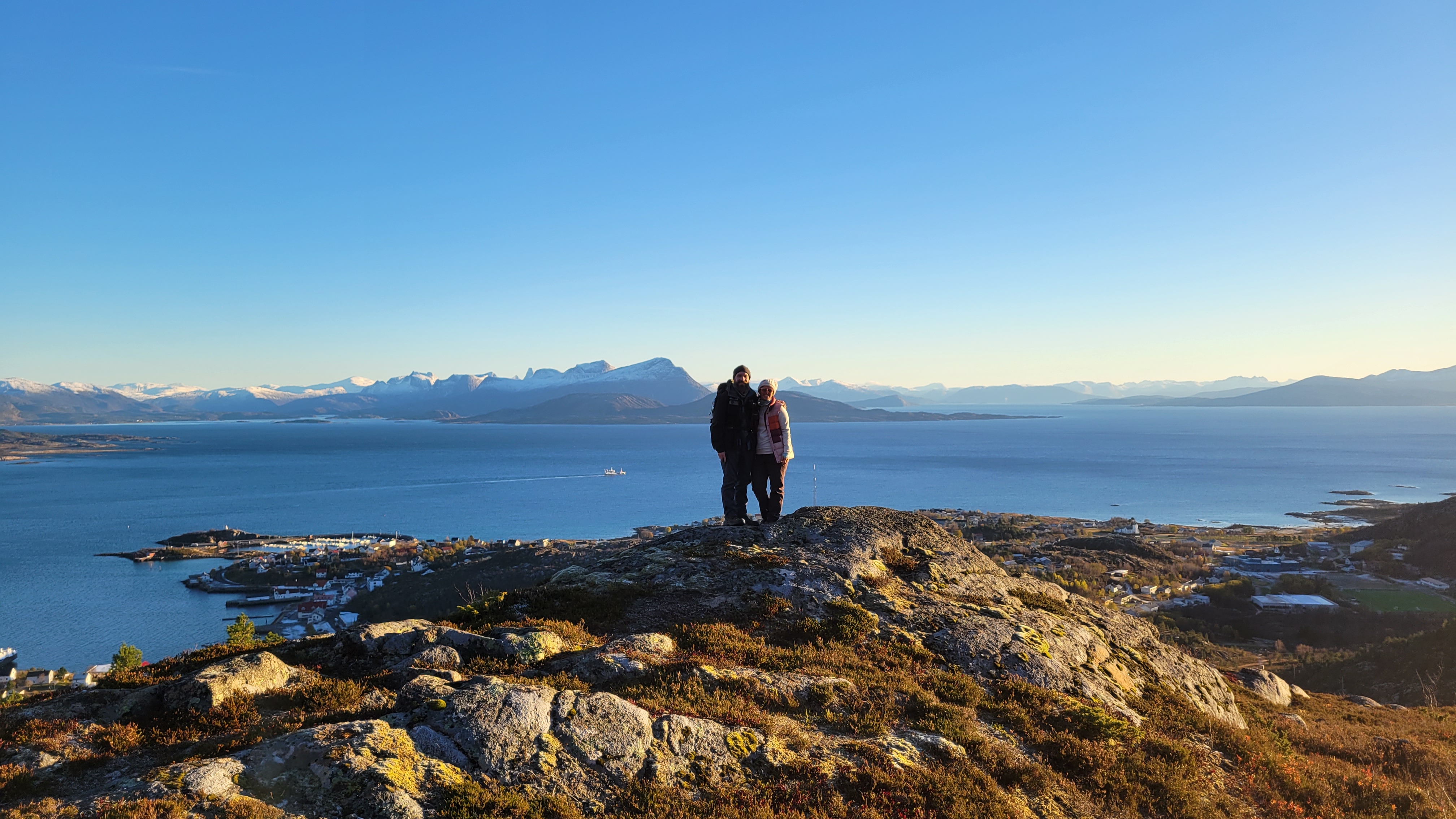
Honningsvåg harbor, near the North Cape, and on the coast near Lødingen during our 2023 Hurtigruten voyage.
The practical history of the voyage matters. Hurtigruten has been running this route since 1893, originally as a postal and freight service for coastal communities with no road connections. The ship is still a working vessel in that sense: it carries locals and cargo alongside tourists, which changes the character of the experience entirely. You’re not on a cruise ship sealed off from the place you’re moving through. You’re on the actual ferry that people use to get around.
For travelers who want the premium version, Hurtigruten’s newer expedition vessels bring a different level of service and sustainability-focused programming to the same route, with onboard naturalists and science staff. The Norwegian coastal voyage works at multiple levels of engagement. You can watch the scenery from a deck chair with a coffee, or layer in excursions at every port that take you deep into the interior. We did both at different moments. Neither was the wrong choice.
The Fjords and What They Actually Look Like
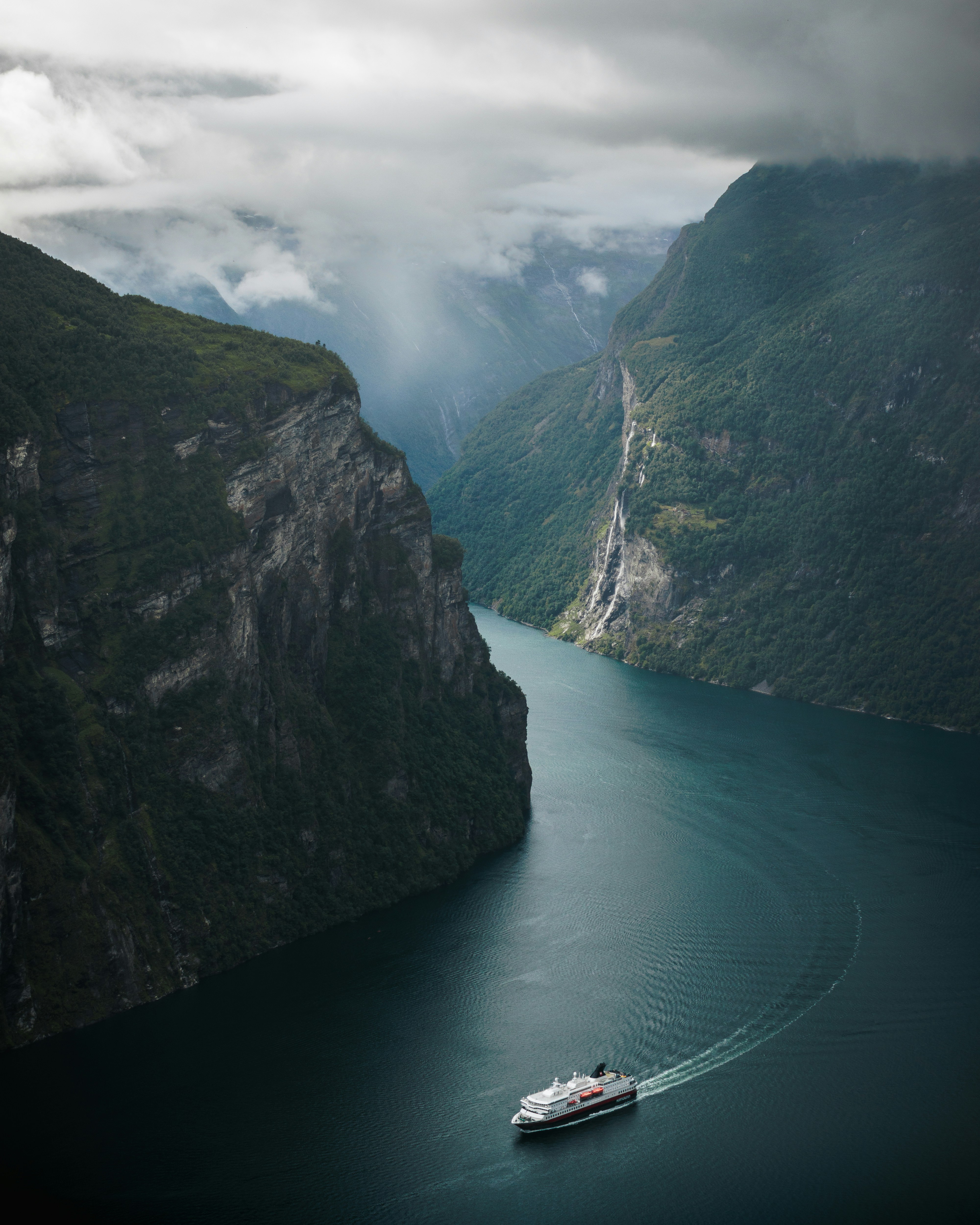
The fjords are the thing people come for, and they deliver without qualification. The Sognefjord, the longest in Norway at over 200 kilometers with arms reaching deep into mountains that drop sheer into the water, is the kind of landscape that makes the word “dramatic” feel insufficient. The Geirangerfjord, a UNESCO World Heritage Site, is more compact and more visited but earns every bit of its reputation: waterfalls dropping hundreds of meters off cliff walls into water so cold and clear it looks digitally enhanced, villages clinging to narrow ledges above the waterline.
The Flåm Railway, a mountain railway that climbs 900 meters in 20 kilometers from the Sognefjord floor to the plateau above, belongs in the same conversation as Switzerland’s Glacier Express as one of the more spectacular train journeys in Europe, and connects naturally into a broader fjord itinerary. Bergen is the gateway city that deserves more time than most visitors give it: Bryggen, the UNESCO-listed wooden wharf district, the fish market, the Fløibanen funicular up to the ridge above the city, and an independent food and design scene that has been quietly maturing for a decade.
The Lofoten Islands
If the fjords are what Norway is famous for, the Lofoten Islands are what Norway travelers come back talking about. Dramatic peaks rising directly from the sea, traditional red fishing villages perched on stilts above the water, hiking trails through landscapes that look sculpted rather than natural. The village of Reine consistently ranks among the most photographed places in Norway and consistently surprises travelers who assumed the photographs were exaggerated.
Lofoten rewards the active traveler. Sea kayaking through the island network, hiking the ridgelines above the fishing villages, cycling quiet roads with mountain walls on one side and open Atlantic on the other. The seafood, Arctic cod pulled from the same waters that produced the stockfish trade that funded Norwegian coastal culture for centuries, is exceptional in the way that food connected directly to its source always is.
Two Countries in One
Norway operates differently depending on when you go, which is one of the more useful things to understand before you plan.
Summer brings the midnight sun. Above the Arctic Circle from late May through late July, the sun does not set. The light is extraordinary, the landscapes are fully accessible, the hiking is excellent, and the outdoor culture that defines Norwegian life runs at full capacity. The country is green and active and startlingly beautiful in ways that photographs consistently undersell.
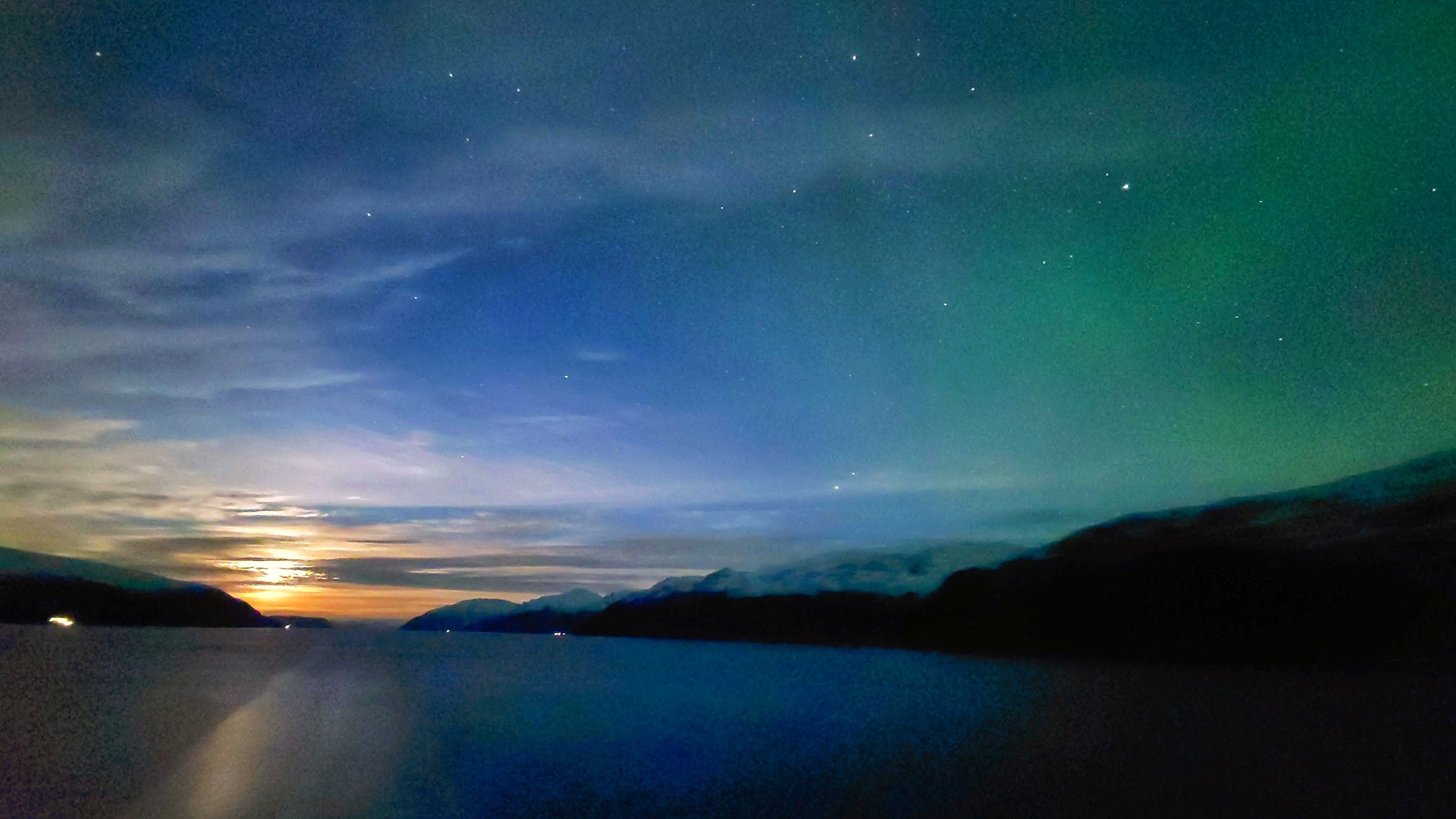
The light in Norway’s far north does things that are genuinely hard to describe until you’ve seen them.
Winter brings the Northern Lights, and with them a completely different experience of the same country. Tromsø, above the Arctic Circle in northern Norway, is the established base for Northern Lights travel: the right combination of darkness, latitude, and infrastructure. The experience of standing in the cold watching green and white light move across a sky that has no business being that dramatic recalibrates whatever you thought you knew about what nature was capable of.
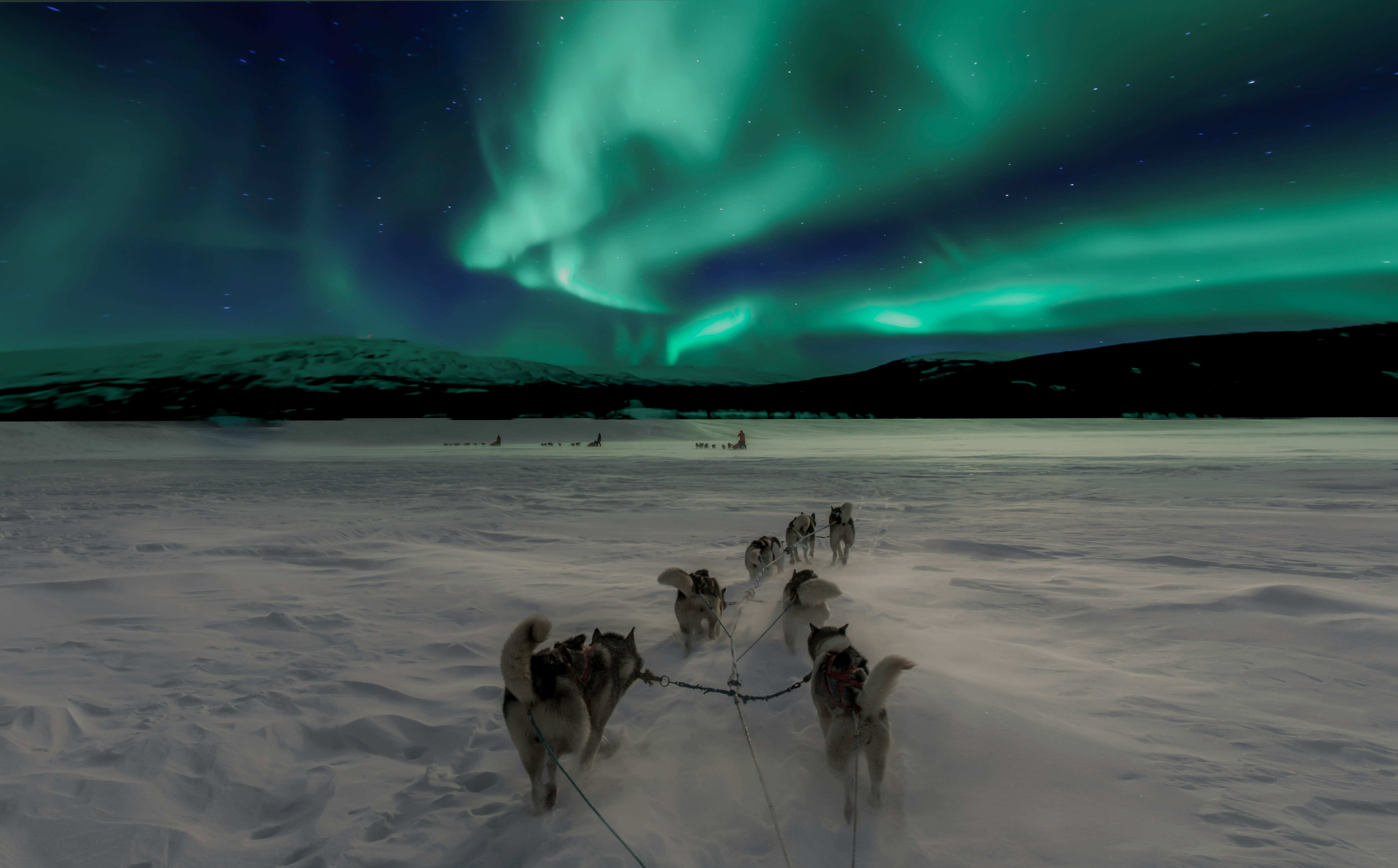
Dog sledding under the Aurora in northern Norway. Winter there is its own category of experience.
Svalbard: The Far End of the Spectrum
For the expedition-minded traveler, Svalbard, the Norwegian archipelago deep in the Arctic, exists in a category of its own. Polar bears outnumber people. Glaciers cover sixty percent of the land. The darkness of the Arctic winter and the 24-hour light of summer both produce environments that most humans never experience.
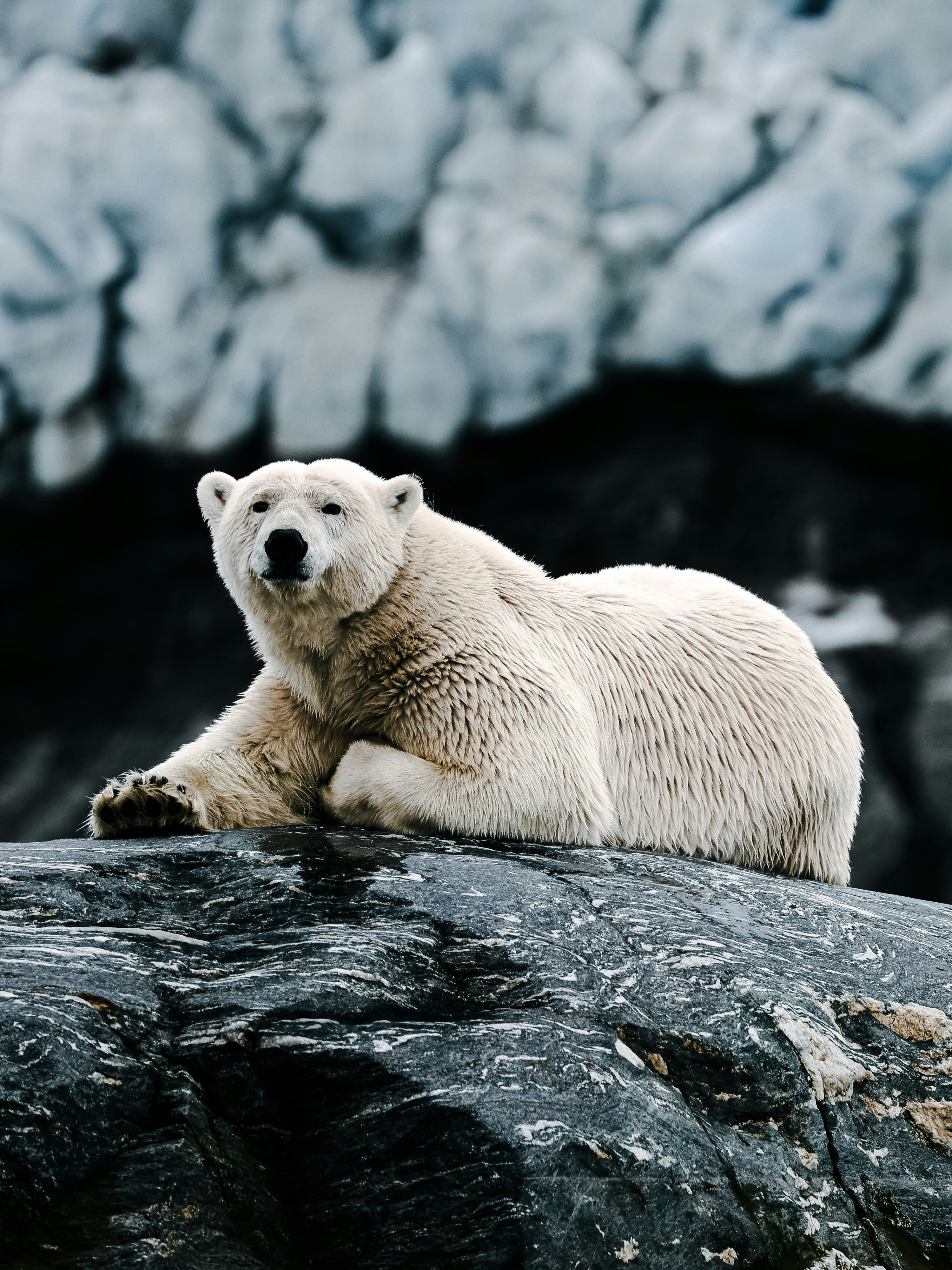
Svalbard is the far end of the Norway spectrum, and one of the only places on earth where you encounter polar bears in the wild.
Hurtigruten and other expedition operators run Svalbard voyages with wildlife biologists and glaciologists aboard for a level of naturalist programming that goes well beyond standard expedition travel. It’s logistically demanding, expensive, and worth every bit of both.
For the fly fishing traveler: Norway’s Atlantic salmon rivers are among the most storied in the world. The rivers of western and northern Norway have drawn serious anglers from around the globe for over a century, and the combination of dramatic landscape and genuine trophy fishing potential makes Norway the kind of destination that reshapes an angler’s frame of reference permanently.
The escalator video went viral because it was funny. It lasted because it was true. Norway commits to things, on and off the pitch. The country is worth the same commitment from you.
Norway vs. France on June 26 in Boston is going to be one of the better matches of this World Cup. Whether or not you have tickets, it’s a reasonable moment to start thinking seriously about the country itself.
Ready to Plan Norway?
The Hurtigruten coastal voyage, the fjords, the Northern Lights, Svalbard: Norway works at almost every level of ambition and budget. If you’re ready to start putting something together, our itinerary advisor is a good place to start, or reach out to Jennifer directly.