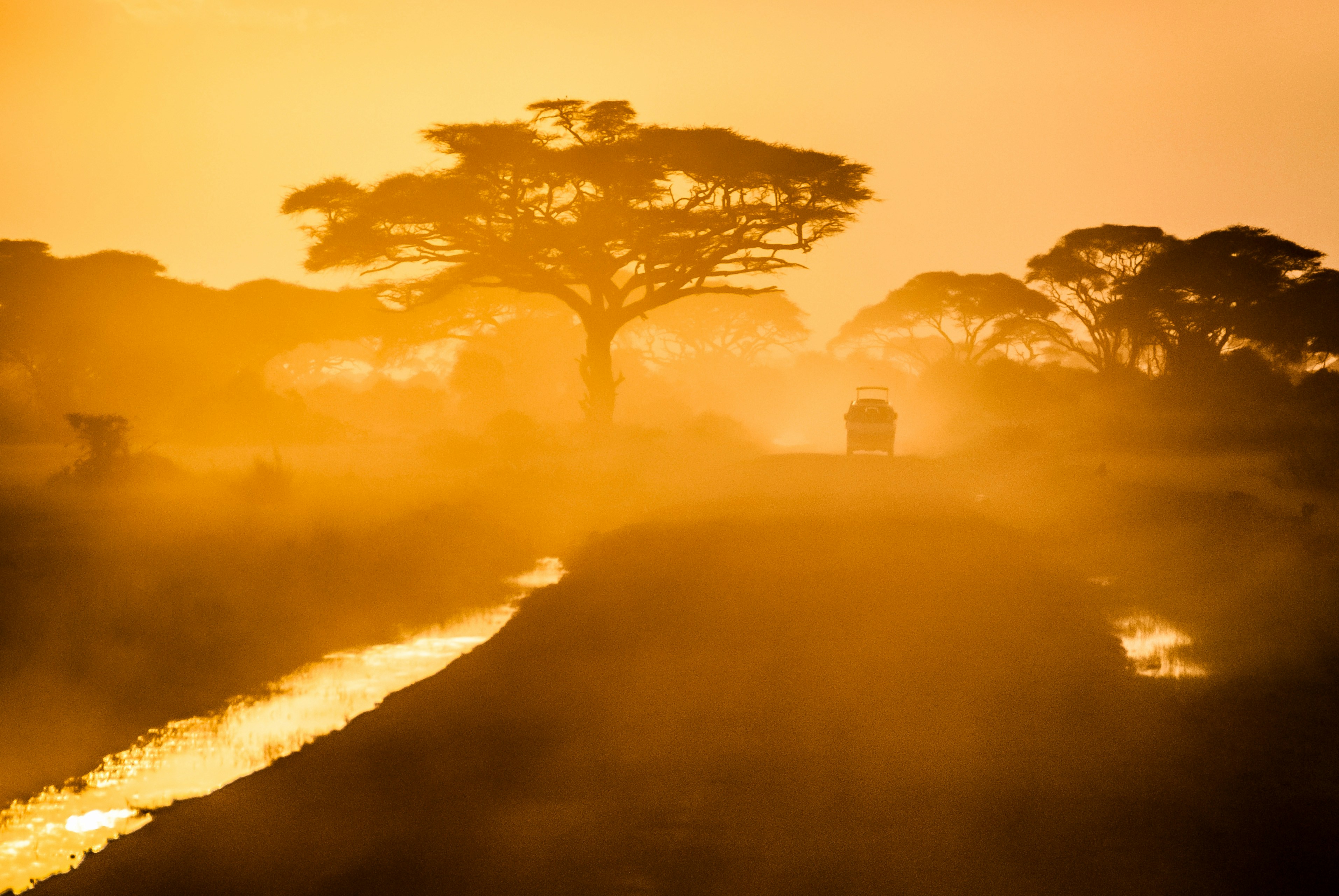
South Africa drew with Czechia. Then beat South Korea 1-0 in their final group game to advance as runners-up in Group A. This marks the first time South Africa have managed to reach the knockout stages of the FIFA World Cup. They never did it in 2010 when they hosted on home soil. They’ve never done it in any previous appearance. They did it here, as visitors, in North America, with a country watching from 9,000 miles away.
They play Canada tomorrow at SoFi Stadium in Los Angeles in the Round of 32. Whatever happens, Bafana Bafana, The Boys in Zulu, have already done something worth marking.
And Jen was just there. She traveled to South Africa in late April with a group, splitting time between a safari lodge and a property in the Winelands. When a country makes the news like this, having someone on your team who was there two months ago is not a small thing. She came back with a specific take on how to structure a group trip there that’s worth reading before you start planning.
The 2010 Thread
For anyone who watched the 2010 World Cup, South Africa occupies a particular place in memory. They were the host nation, the first African country to host the tournament, and the atmosphere they produced was unlike anything the World Cup had seen before. The vuvuzelas. The color. Johannesburg’s Soccer City stadium packed with 94,000 people.
And Siphiwe Tshabalala. Four minutes into the opening match against Mexico, Tshabalala drove a left-footed shot into the top corner to score the first goal of the 2010 World Cup, one of the iconic moments in the tournament’s recent history. South Africa drew that match 1-1. They didn’t make it out of the group stage.
They spent sixteen years trying to go further. This week they did.
Cape Town: The Entry Point That Earns Its Own Trip
Cape Town has been voted the world’s best city again in 2025, and the claim holds up. Table Mountain dominates the skyline in a way that makes the setting feel genuinely theatrical: a flat-topped sandstone massif rising 1,000 meters directly above the Atlantic, accessible by cable car, with views that extend in every direction to sea and mountain and city simultaneously.
The city below it is more interesting than the landmark. Cape Town offers award-winning wineries, colorful neighborhoods like Bo-Kaap, and a wealth of adventure activities including hiking, shark cage diving, and encounters with seals, whales, and African penguins. The V&A Waterfront is a functioning harbor that somehow also works as a high-end dining and retail destination without feeling contrived. The Zeitz Museum of Contemporary Art Africa occupies a converted grain silo on the waterfront and houses the most significant collection of contemporary African art in the world.
The Cape Peninsula route takes you to Boulders Beach, home to a colony of African penguins, then to Cape Point and the Cape of Good Hope where the Atlantic and Indian Oceans converge. You drive there along Chapman’s Peak, a coastal cliff road that produces the kind of views that make passengers grab for their cameras and drivers wish they had pulled over more often.
The Winelands: What Jen Found
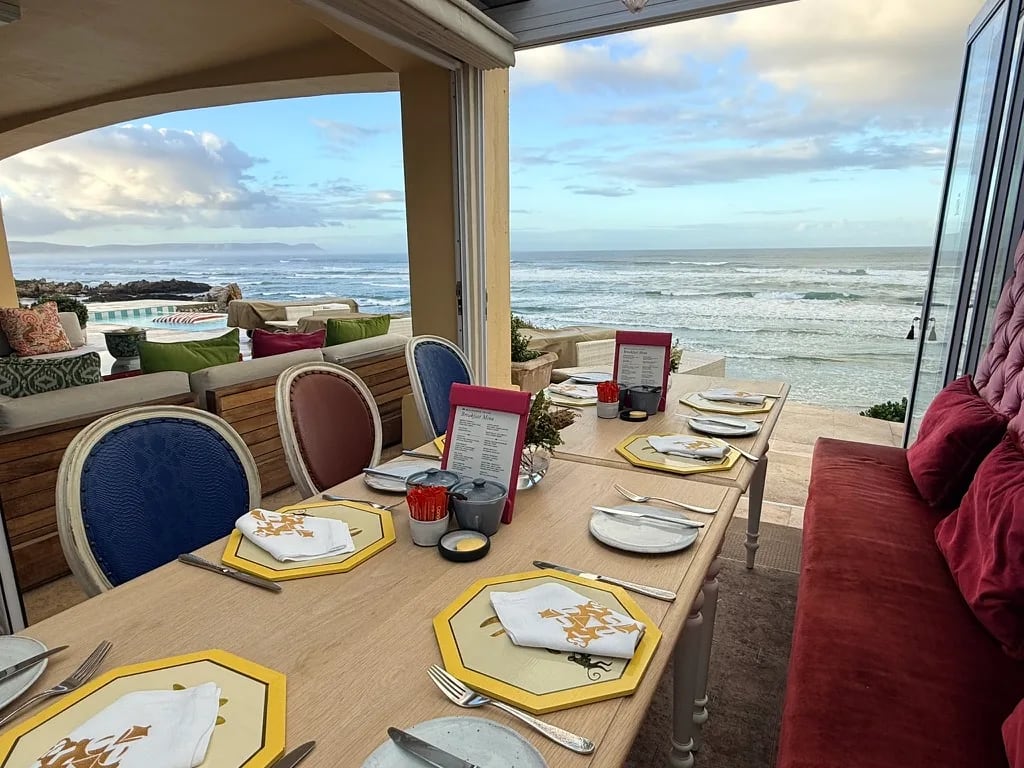
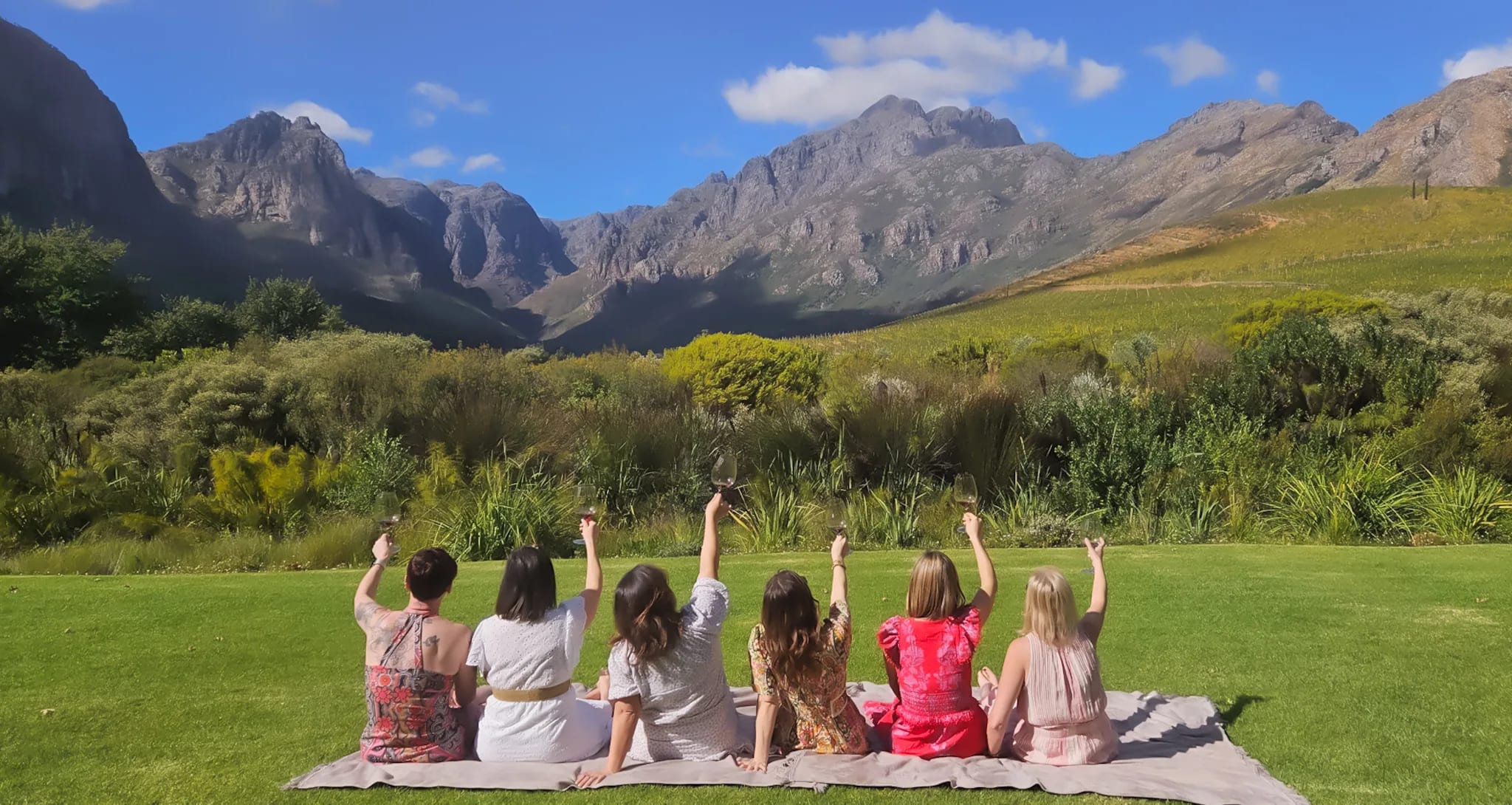
Jen’s group stayed at a property in the Winelands in late April, splitting time between a Winelands villa and a safari lodge.
Stellenbosch, Constantia, Franschhoek, Paarl, Tulbagh, and Wellington offer renowned wineries and gourmet dining in historic towns and farm estates within an hour of Cape Town. Jen’s group stayed at a property in the Winelands that used a format she’s been recommending ever since: a private villa within a resort setting. Your own space, your own front door, your own pool and kitchen. But when you were ready to come up for air, the staff and resort amenities were right there.
She wrote about this format in detail on Schwanderlust (read it here), but the short version is that it solves the problem most group travelers don’t know they have. Not a hotel where everyone disappears to separate floors. Not a rental house where someone ends up doing dishes. Something in between, and South Africa does it exceptionally well.
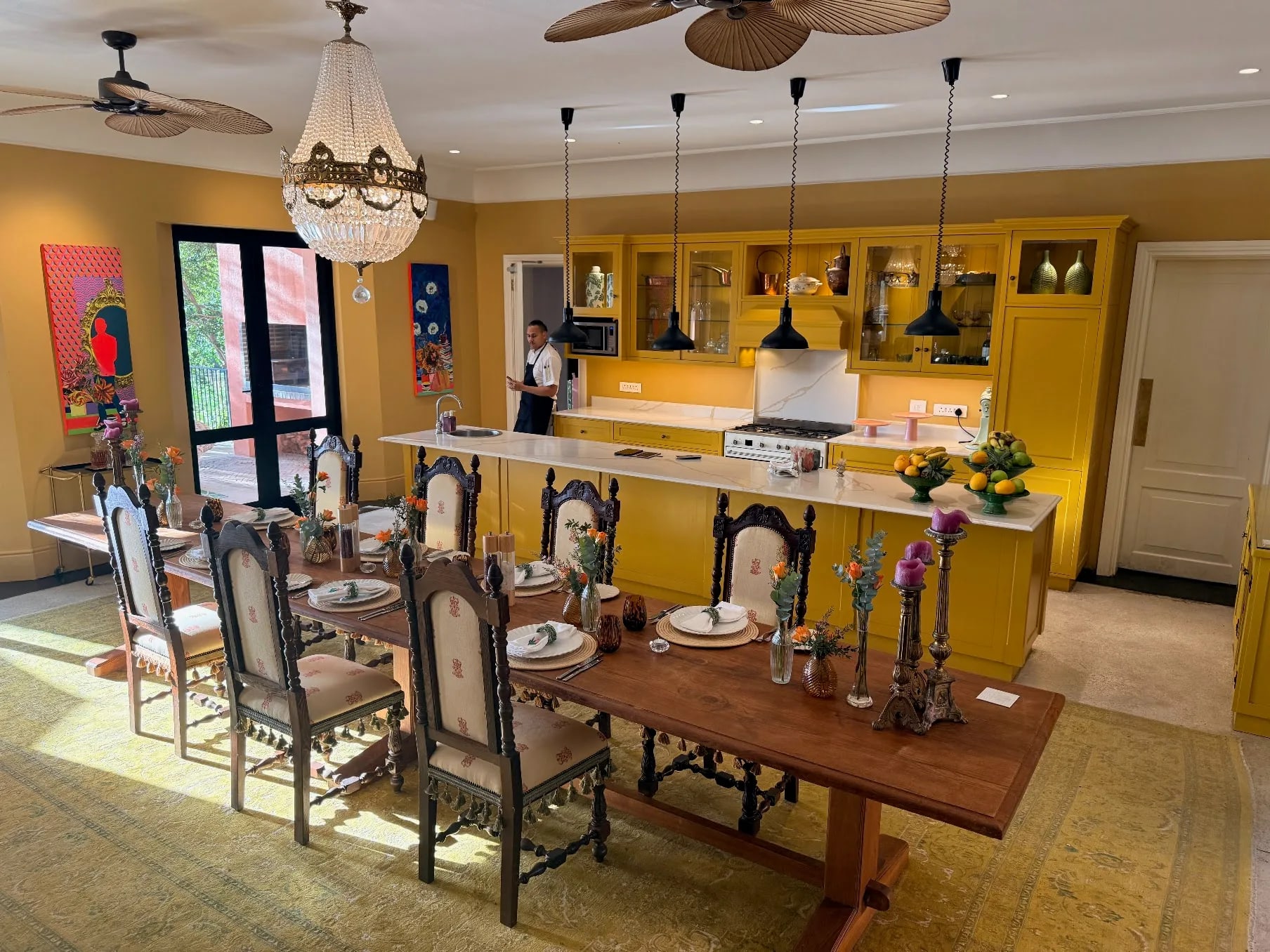
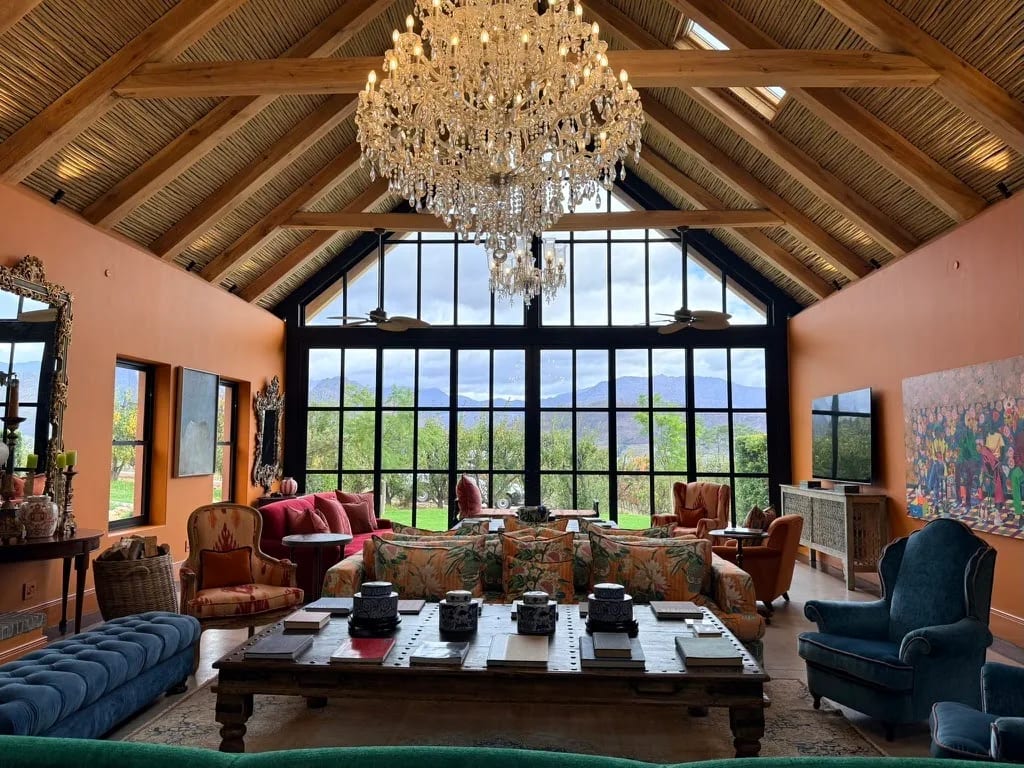
The villa-within-resort format gives a group its own front door without giving anyone dish duty.
Franschhoek is the anchor of the region. Founded by French Huguenot refugees in the late 17th century, it sits in a valley ringed by mountains with a main street lined with some of the better restaurants in sub-Saharan Africa. The food culture is a legitimate draw alongside the wine. Private tastings at estate cellars, long lunches that run past the afternoon light, a wine country that punches well above its international profile: the Cape Winelands are the part of South Africa that surprises travelers who came primarily for the safari and end up extending their stay.
Safari: The Expedition Case
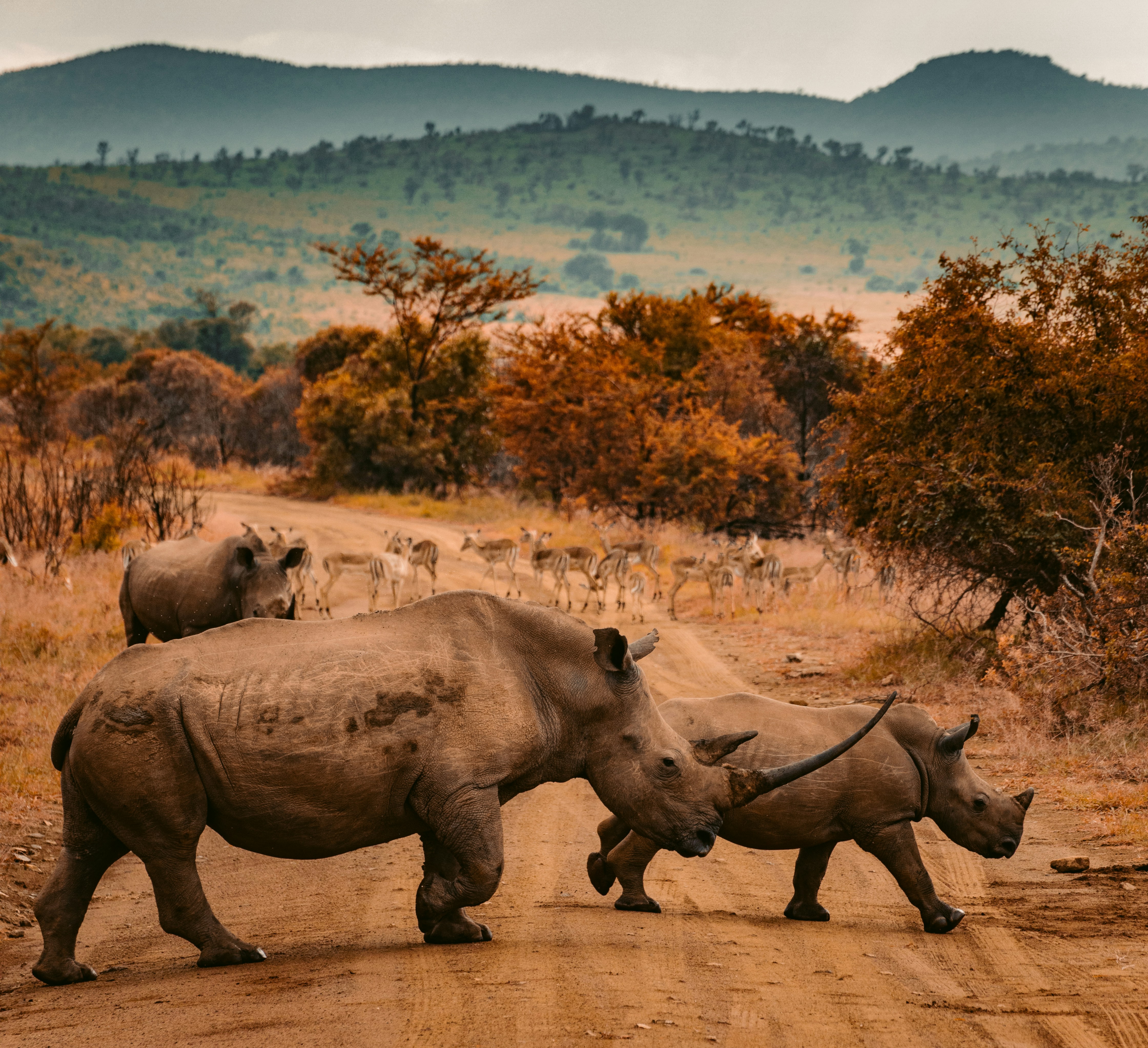
White rhino sightings are one of the Big Five experiences that draw safari travelers to South Africa year after year.
South Africa is one of the world’s great safari destinations, and the luxury end of the market is where it genuinely competes with anywhere on earth.
Kruger National Park covers nearly 20,000 square kilometers of northeastern South Africa and is the established entry point for Big Five game viewing: lion, leopard, elephant, buffalo, rhinoceros. The park’s accessibility and volume of wildlife make it reliable for first-time safari travelers.
The private reserves adjacent to Kruger are a different category entirely. Sabi Sands, Timbavati, and properties like Lion Sands, Royal Malewane, and Singita offer exclusive safari lodge experiences where tracker-ranger teams operate from open vehicles on unfenced land shared with the wildlife. No fences between the reserves and Kruger means the animals move freely and the game viewing reflects it. Sabi Sands in particular is famous for leopard sightings at a frequency that nowhere else in Africa matches consistently.
Jen’s safari stay followed the same villa-within-resort format she found in the Winelands. At the lodge level this means your own private villa with dedicated space, a plunge pool, and full privacy when you want it, while the guides, bush dinners, and communal game drive experience remain fully intact. It’s the format that works best when you’re traveling with a group that wants to share the experience without living on top of each other.
The experience at this level is waking before dawn for a drive with a ranger who has spent years learning the behavior and territories of specific animals. It’s a bush dinner served under the Southern Cross with a glass of South African Shiraz and no ambient light within 50 kilometers. It’s sitting in silence 10 meters from a lion family at sunset while your tracker communicates in whispers with rangers tracking other vehicles. It’s the kind of travel that changes your reference point for what a trip can be, and it’s priced accordingly. Which is exactly why a travel advisor with firsthand knowledge of the properties earns their value many times over.
The Garden Route
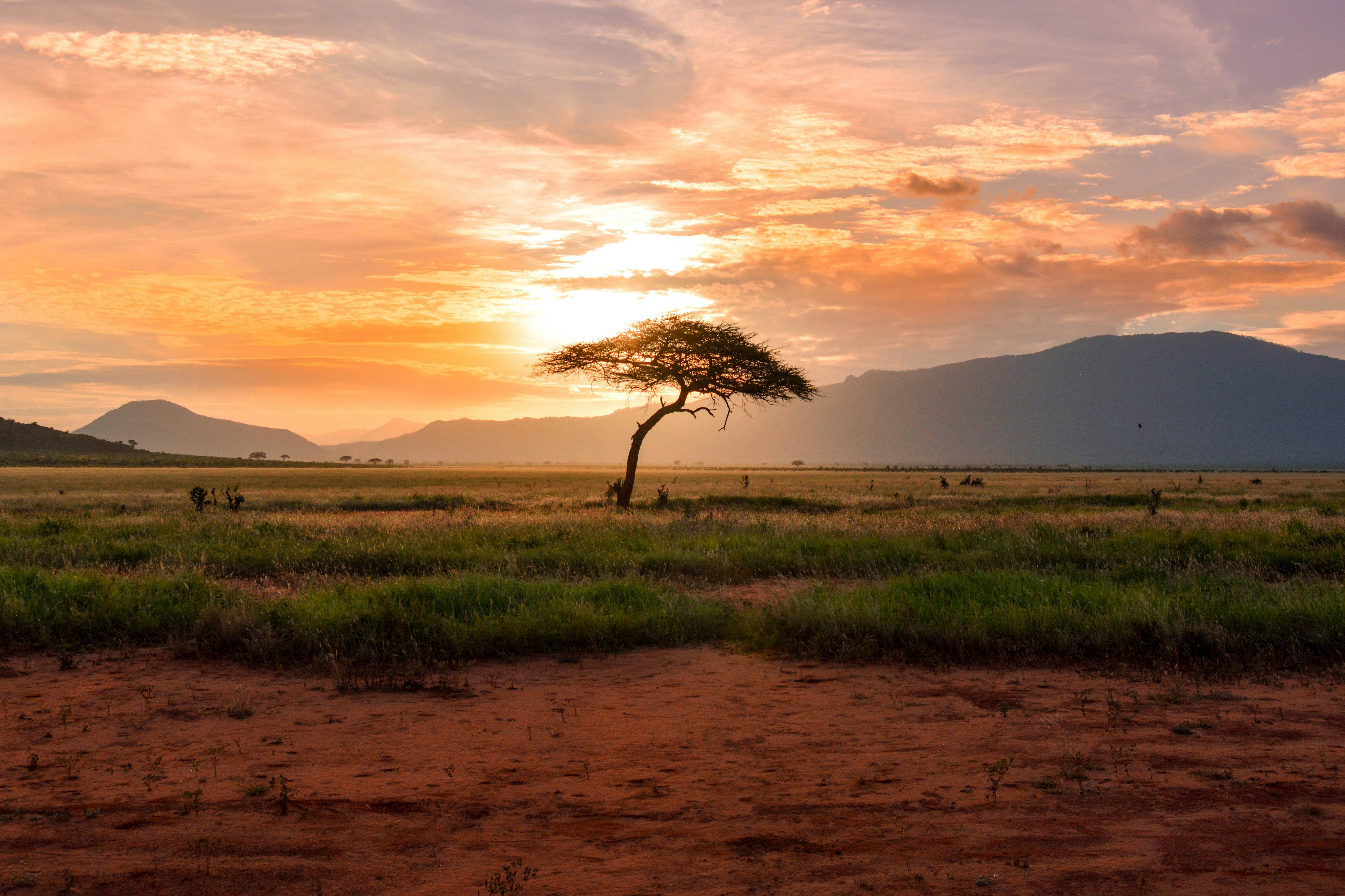
The Garden Route rewards driving slowly and stopping often.
The N2 highway along South Africa’s southern coast connects Cape Town to Port Elizabeth through some of the country’s most varied and accessible landscape.
Hermanus is famous for southern right whale watching between June and November: the whales come into Walker Bay close enough to watch from clifftop paths without a boat, which is unusual among the world’s whale watching destinations. Shark cage diving at nearby Gansbaai gives the traveler who wants the more direct interaction a chance at it. Knysna offers a lagoon, forested headlands, and a food culture built around oysters pulled from the water the same morning. Tsitsikamma National Park runs along a stretch of coast where old-growth forest meets sea cliffs and suspension bridges cross river gorges above the ocean.
The Garden Route works as a standalone road trip or as a connection between Cape Town and a Kruger safari. Either way it doesn’t waste a day.
Johannesburg and the Weight of History
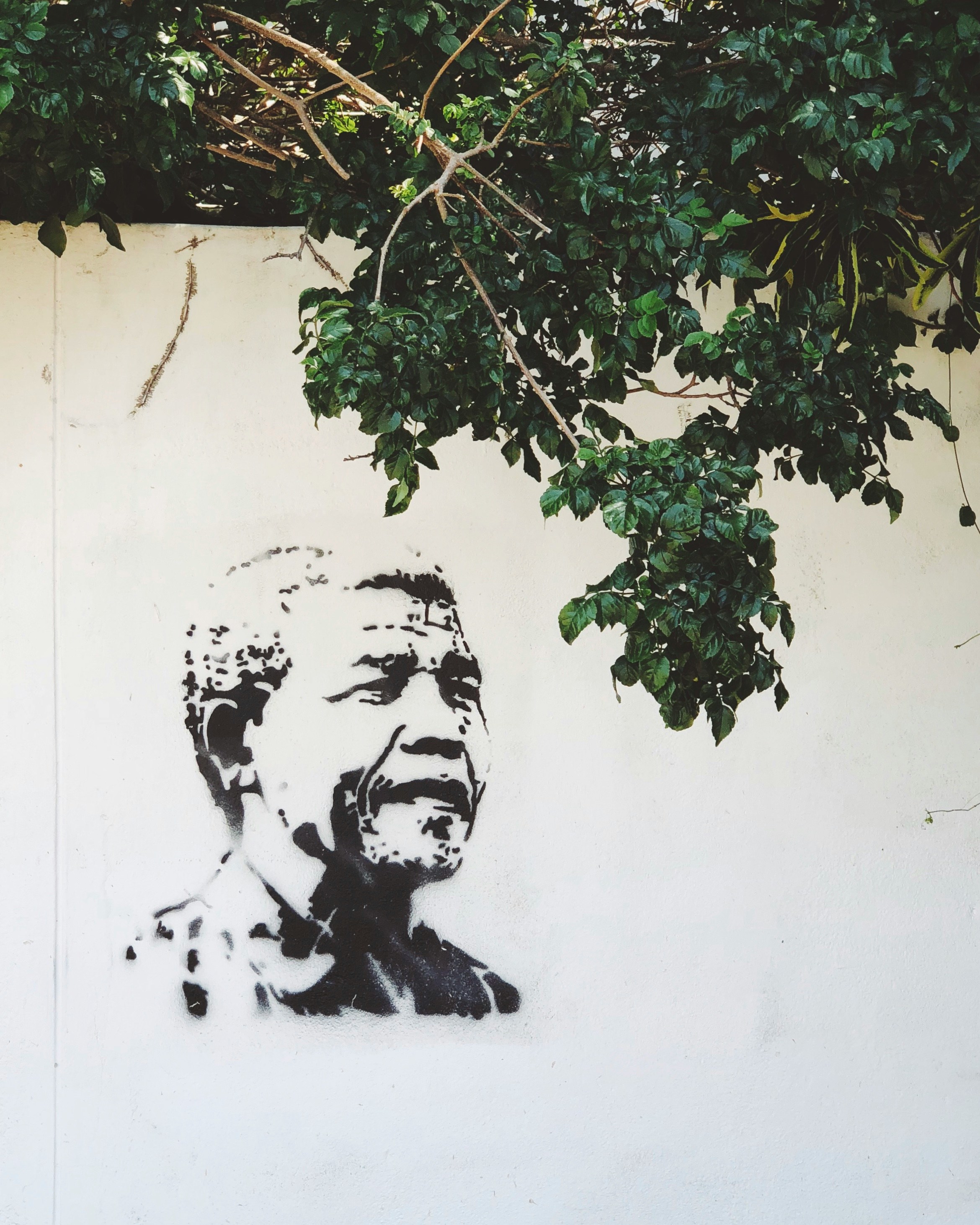
Johannesburg rewards travelers who treat it as more than a transit stop.
Most itineraries treat Johannesburg as a transit point. That’s understandable and also a loss.
The Apartheid Museum stands as one of the most carefully considered historical museums in the world. It documents the architecture and machinery of apartheid in a way that doesn’t flinch, and frames it against the country’s negotiated transition to democracy in a way that leaves you understanding both the weight of what happened and the improbability of what came after.
Robben Island, off Cape Town, where Nelson Mandela spent 18 of his 27 years in prison, is its own essential stop: tours are guided by former political prisoners who were incarcerated there alongside Mandela. Soweto’s Vilakazi Street, where both Mandela and Archbishop Tutu lived, is the only street in the world to have produced two Nobel Peace Prize winners. Constitution Hill, the former prison complex that now houses South Africa’s Constitutional Court, offers the kind of juxtaposition between past and present that defines what the country is still working to become.
None of this is easy travel. It’s not supposed to be. But it contextualizes everything else you see in South Africa in a way that makes the whole trip more honest.
The country behind the team has been worth visiting for all of those sixteen years and more. Jen was just there. The World Cup just made it impossible to look away.
South Africa made the knockout stage of the World Cup for the first time in their history with a goal in the 63rd minute and a final whistle that sent the country into celebrations that had been waiting through decades of near misses to arrive. Whatever happens in Los Angeles tomorrow, Bafana Bafana have already written something worth reading.
Ready to Plan South Africa?
Safari, Winelands, Cape Town, the Garden Route: South Africa works as a first-time adventure and a destination people return to for the rest of their lives. Jen has been there, knows the properties, and can put together something that fits your group and your timeline. Our itinerary advisor is a good place to start, or reach out to Jen directly.