That’s what we want to unpack, using who we watched the final with as the example.
A Living Room With a Complicated Rooting Interest
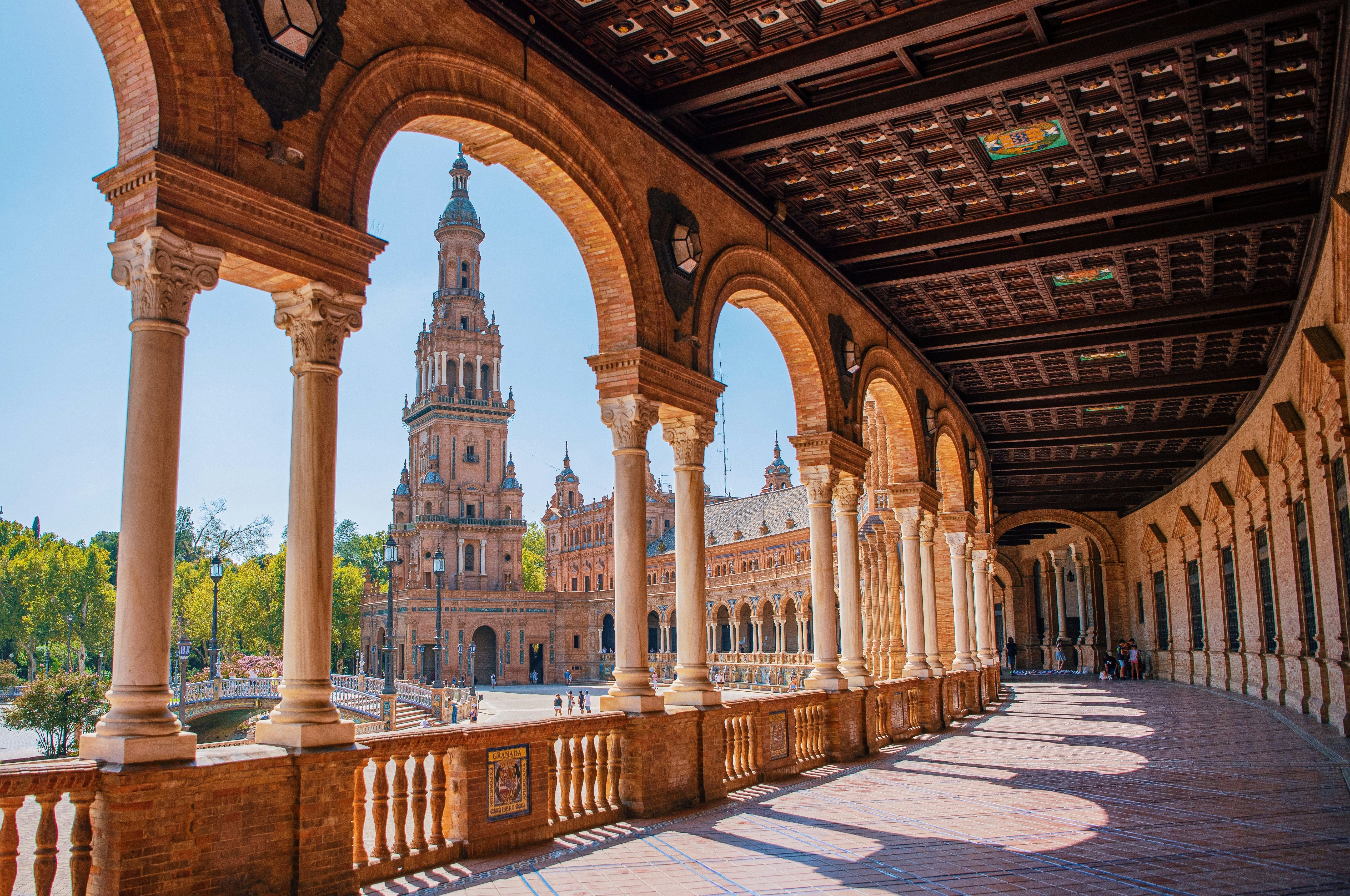
We watched the final with family and a close friend of ours: French by birth, living in Spain, teaching English at a French school there. Jen met him studying abroad in college, more years ago now than either of them probably want counted, and the friendship survived an ocean and every excuse two busy adults have for letting that kind of thing fade. It didn’t fade.
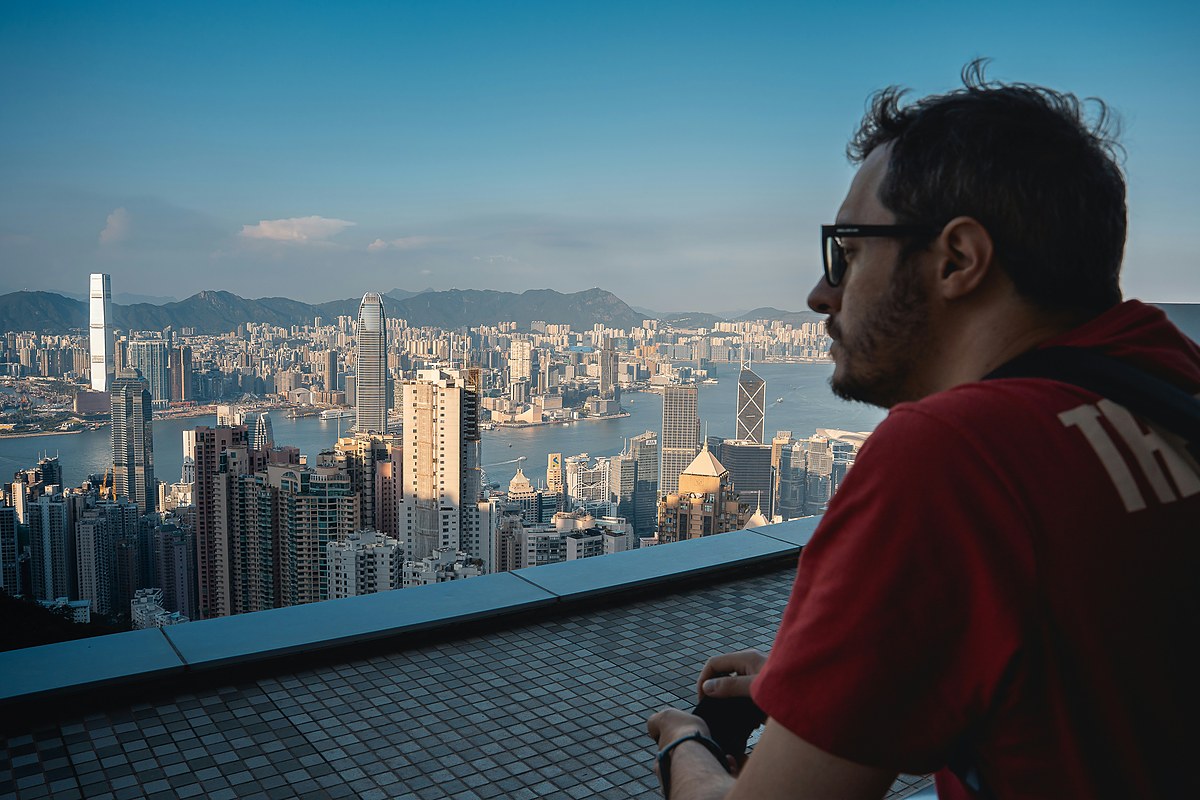
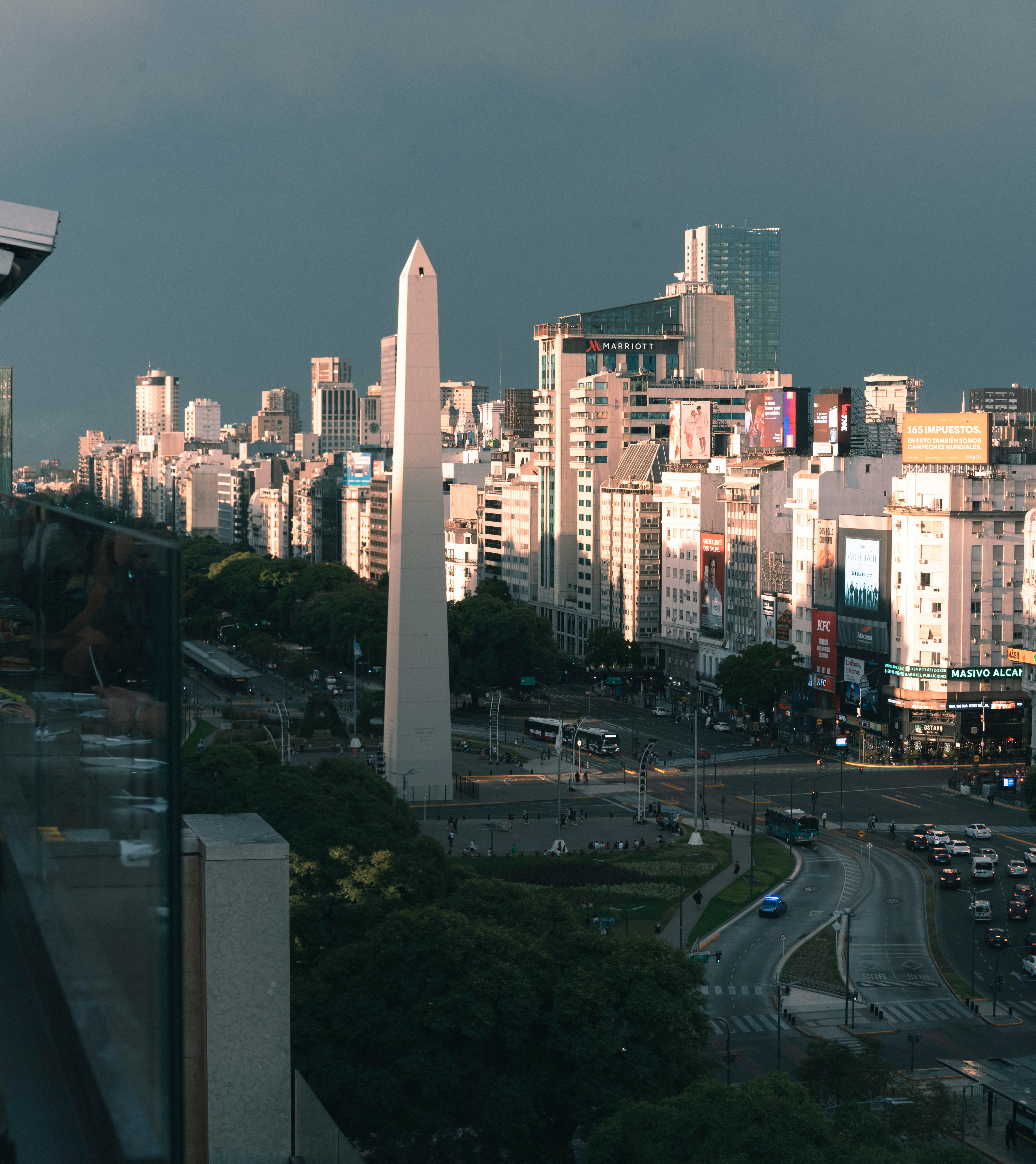
Something about watching a skyline that isn’t originally yours, and calling it home anyway.
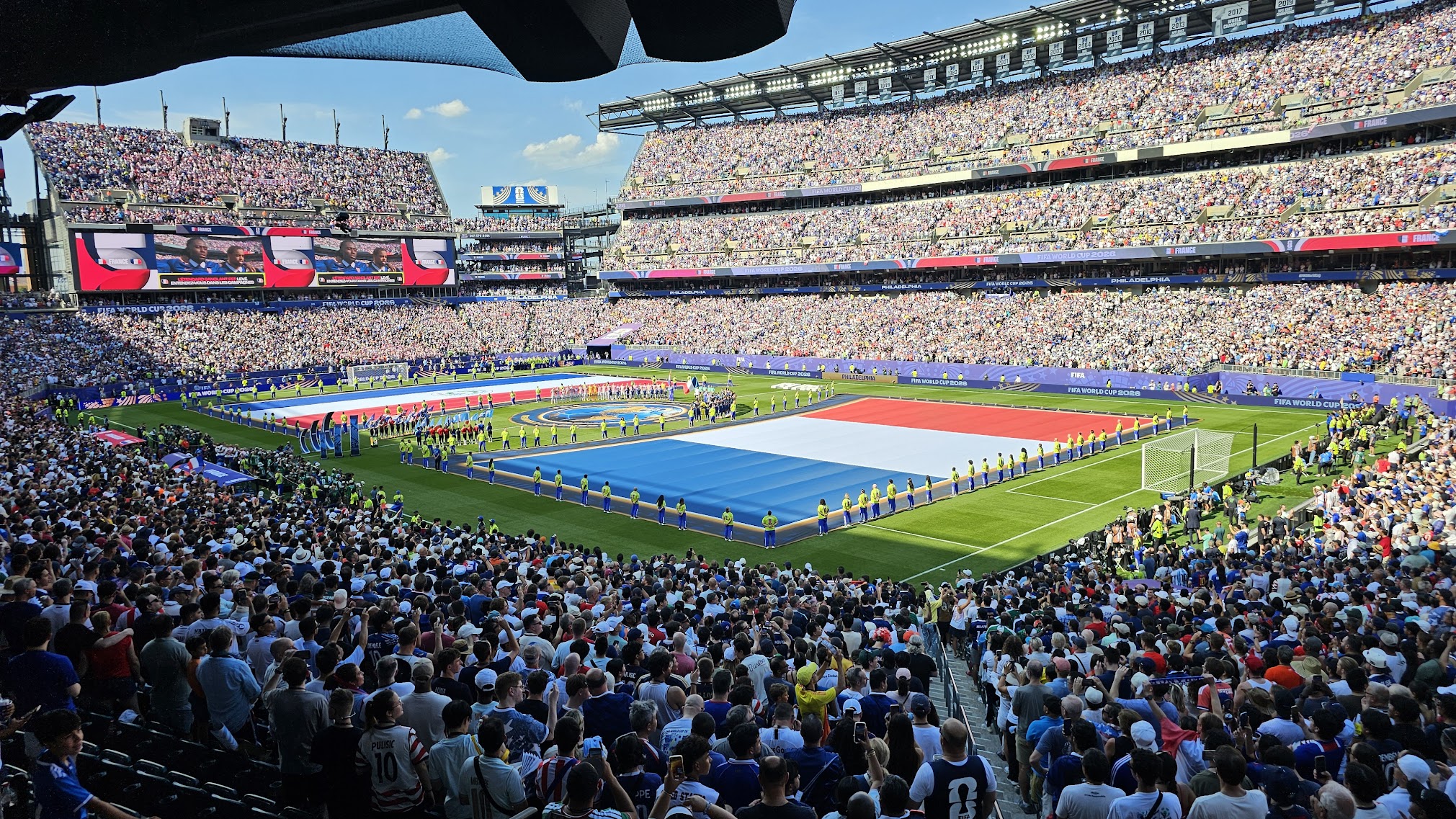
So there we were, watching Spain play for a title, with someone who isn’t Spanish rooting for the country he’s built his adult life in anyway, a country that wasn’t the one he was born in, playing in a final his actual home country, France, didn’t even reach. France went out to Spain in the semifinal. Our friend watched his adopted country eliminate his birth country on the way to a final we were now all watching together.
And we had our own complication. We’d just been to Argentina, from Buenos Aires all the way down to Ushuaia at the bottom of the world, not long before this tournament started. That trip put a country and its people in front of us in a way a football match never could, and it made rooting against them in a World Cup final a genuinely tougher call than it should have been. We knew what Argentina winning again would have meant to the people we’d met there. We also knew what Spain winning would mean to the person sitting in our living room.
There was no clean answer to who to root for. That’s the whole point.
Read the News, or Go
There’s a line that gets passed around about America, something like: if you want to understand this country’s problems, read the news. If you want to understand its people, go there. We couldn’t track down who actually said it first, and we’re not going to pretend we can quote it exactly, but the idea is worth sitting with on its own.
Read the news and you get the argument. You get the version of a place built out of whatever’s worst about it that week, because that’s what gets covered. Go, and you get something slower and less quotable: a driver who talks your ear off about his kids, a stranger who walks you three blocks out of their way instead of just pointing, a meal that has nothing to do with the headlines. Neither version is the whole truth. But only one of them requires you to actually show up.
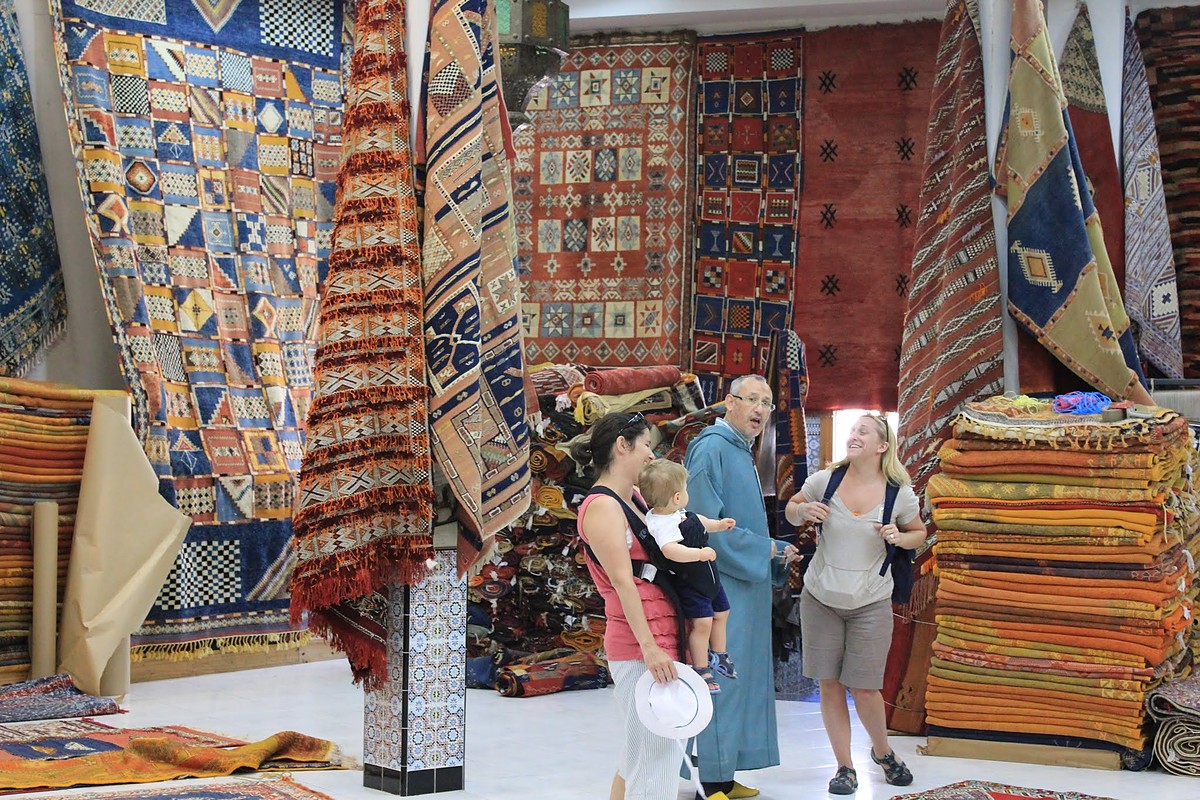
Jen and our oldest with a friend of ours, talking rugs with a local merchant. Morocco, 2012. The kind of afternoon a headline never captures.
That’s the case for travel that never makes it onto a brochure. It’s not about collecting stamps in a passport or building a highlight reel. It’s that the news can tell you what a country’s problems are, but it can’t tell you what a country’s people are like. For that, someone has to actually go, or a friend from there has to end up close enough to you that the country stops being a story you were told and starts being a person you know.
What a Month of Visitors Actually Saw
This was the first World Cup spread across three countries (the US, Mexico, and Canada), which meant more fans than any tournament in history landed somewhere they’d never been, for reasons that had nothing to do with the destination itself. They came for the football and got the country as a side effect.
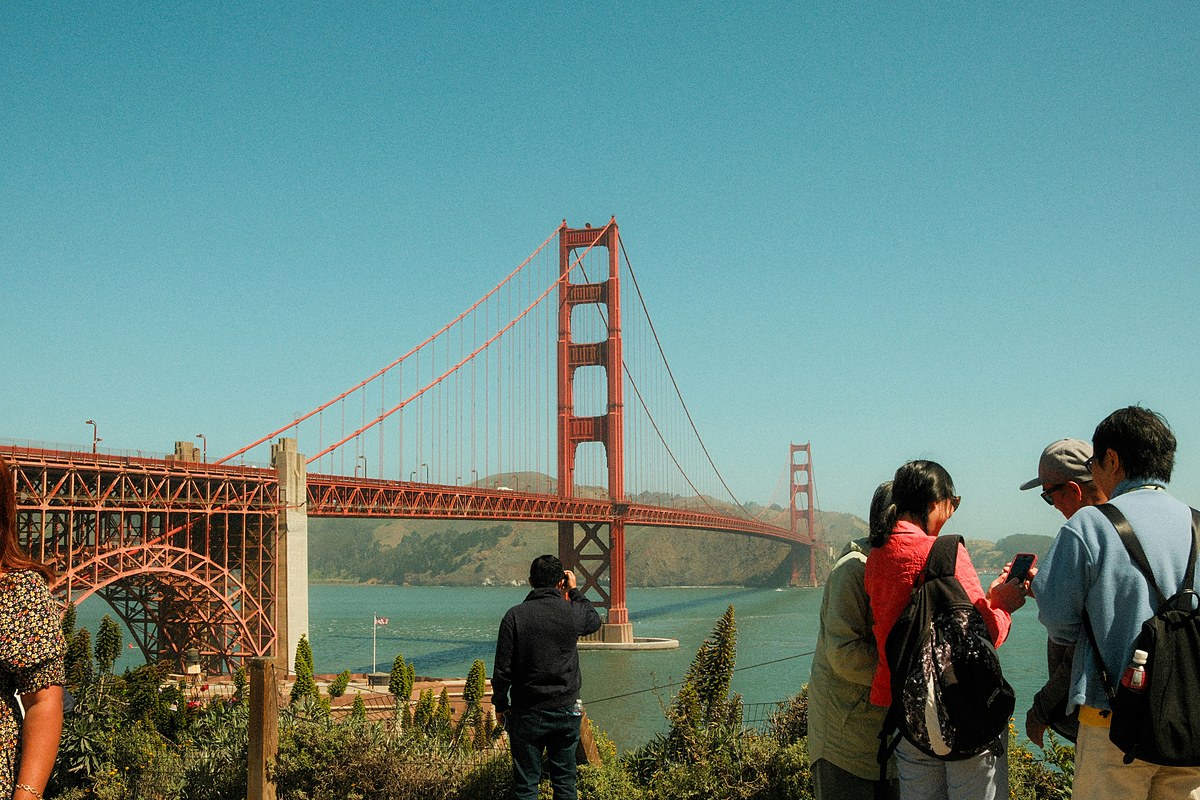
For a lot of this summer’s visitors, this was their only real look at the US.
That’s worth sitting with. A huge share of the people who flew in for a match spent their only real exposure to the US doing something no amount of coverage does: standing in a stadium next to strangers, eating in a neighborhood they picked because it was near the venue, riding a train or a rideshare and talking to whoever was driving. Whatever someone believed walking in (built off headlines, built off nothing at all), a month of actually being here will have complicated some of it, probably in both directions. Made some things better than the story, and some things worse.
That’s the same exchange that happened in our living room, just running the other way. We didn’t have to travel this time to have a country stop being an abstraction. We just had to sit next to someone who’d already done the traveling, who’d made the move, built the life, and brought the country back into the room with him.
What This Series Was Actually For
Off the Pitch started as an excuse to use the tournament as a map: let the bracket tell us where to look, and use each match as a reason to think about a place we might not have otherwise. That held up fine as a premise. But Sunday night is what it was actually building toward the whole time: a room full of people whose connections to the countries on the field were real, not theoretical, because somebody had actually gone there, or come from there, or built a life in a place they weren’t born.
The tournament ends. The relationships it revealed don’t. We’ll still have a friend who roots for Spain out of love for the life he’s built there, not blood. We’ll still carry an honest soft spot for Argentina because we’ve walked around Buenos Aires and stood at the edge of the world in Ushuaia. Four years from now, some of this will have faded and some of it won’t, and the parts that don’t fade will be the parts that came from actually going somewhere, not from watching it on a screen.
Read the news and you’ll learn what’s wrong with a place. Go, or love someone who did, and you’ll learn what’s true about it. That’s the whole case for travel. Not the itinerary. Not the photos. The fact that it makes the rest of the world harder to watch as a stranger.
The tournament ends. The next trip doesn’t have to wait four years.
Where Did This Summer Send Your Attention?
If a country from this tournament is still on your mind (Argentina, Spain, France, or somewhere else entirely), Jennifer can turn that curiosity into an actual itinerary. Our itinerary advisor is a good place to start.
Thanks for following along with us this summer. We’ll be back with real trip reports from a few of the places this tournament put back on our radar.